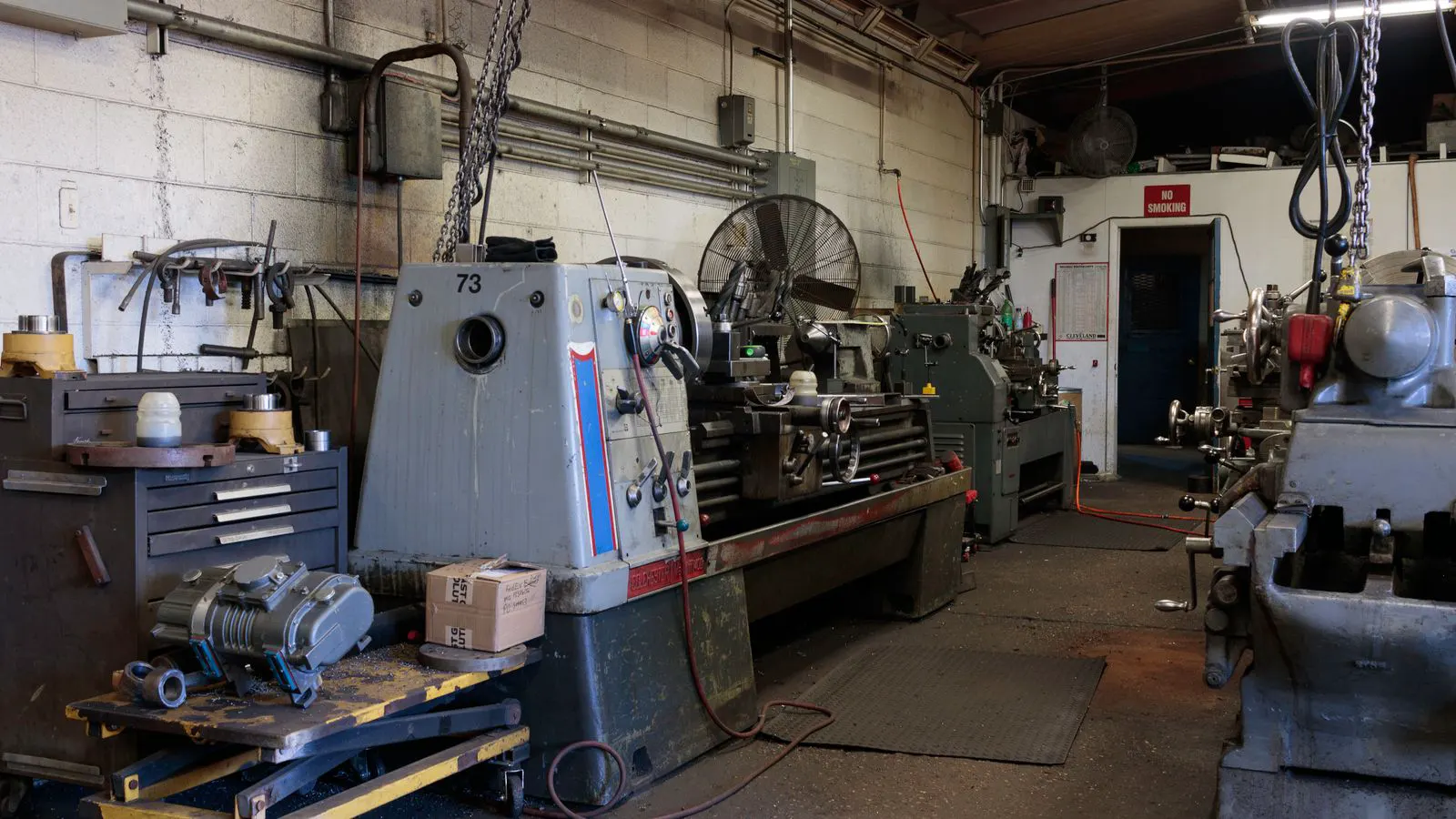
Choose an equipment vendor based on service response times, parts availability, and contract terms. This guide provides a structured framework for evaluating machine suppliers and ensuring reliable after-sales service for your facility.
- Define service level expectations before signing a purchase order.
- Verify parts availability and lead times for critical components.
- Review contract terms for warranty coverage and escalation paths.
- Test the vendor's communication channels during the pre-purchase phase.
- Build a local service network if the manufacturer cannot cover your region.
Define Your Support Requirements
Start by listing the specific support functions your facility needs. A machine shop in a dense industrial area has different needs than a remote timber processing plant. The distance to the vendor’s regional office, the availability of local technicians, and the speed of spare parts delivery shape your daily operations. If your plant sits in a major city, a technician might arrive within a few hours. If you are located in a rural timber region, travel times can stretch into full days. These variables directly impact how long you can tolerate a machine being offline without suffering significant financial loss.
Write down the types of failures you expect. Hydraulic leaks, spindle bearing wear, and electronic controller faults all require different response protocols. If a machine stops for three hours, how much production value is at risk? That number justifies the service level you demand. For a high-capacity CNC router, three hours of downtime might mean losing a large batch of custom cabinetry. For a smaller benchtop lathe, the same stoppage might only delay a small run of parts. Quantifying this value helps you distinguish between a minor inconvenience and a critical threat to revenue.
Do not assume the vendor will know your priorities. A sales team often focuses on installation and delivery. Support quality is a separate function. Ask who handles routine maintenance, emergency repairs, and software updates. These roles often sit in different departments with different performance metrics. The team that sold you the machine may not be the same team that services it. Clarify the internal handoff process. You want to know who owns the ticket once the machine is in your facility and an issue arises.
Evaluate the Service Network
Check the vendor’s service coverage in your region. Ask for the names of local technicians or partner service firms. A vendor with a global headquarters but no local presence may still be viable, but you must factor in travel time and accommodation costs. These hidden costs can add up quickly if you rely on a central hub for every repair.
Request a written response time commitment. “Within 24 hours” means different things depending on the vendor’s definition. Clarify if this is business hours, calendar hours, or time from ticket creation to technician arrival. Ask what happens if the first technician cannot resolve the issue. Does a second technician come, or does the vendor dispatch a specialist from a central hub? You need to know the protocol for complex failures that exceed the capability of a standard field service engineer.
Local service networks matter. If the vendor relies on third-party contractors, verify their training and toolkits. A generic repair shop may not have the correct torque specifications or diagnostic software. This is where a local service network for imported machines becomes a critical differentiator. Ask for documentation of the third-party partners’ certifications. You want to ensure that the people touching your machine are trained on your specific model and understand the manufacturer’s maintenance standards.
Assess Spare Parts Availability
Parts availability determines downtime. A broken bearing or a faulty control board can halt production for weeks if the vendor cannot ship a replacement quickly. Ask about the parts lifecycle. How many years after the machine is sold does the vendor commit to supplying components? Some vendors support their machines for ten years, while others may drop support after five. This commitment needs to align with the expected lifespan of your equipment.
Check the parts catalog. Some vendors maintain full stock for common items. Others backorder rare components. Ask about the lead time for non-standard parts. If a specific sensor takes 12 weeks to order, you need to know that before the purchase. Know the difference between items that are in local stock versus those that must be shipped from a central warehouse or overseas.
Keep a buffer stock for critical components. For high-value machines, it is common to hold spares for bearings, filters, and electronic modules. This reduces reliance on the vendor’s shipping schedule. Ask the supplier to provide a list of recommended spares for your specific model. Review the list and determine which items you can afford to store on-site. Keeping a few key parts in inventory can prevent a minor failure from becoming a major production halt.
Review Contract Terms and Warranty
Read the warranty clause carefully. Standard warranties often cover parts but not labor. Some vendors include labor for the first year, then charge hourly rates for subsequent repairs. Know the hourly rate before you sign. Labor costs can quickly exceed the cost of the replacement part itself.
Check the warranty transferability. If you sell the machine, does the warranty transfer to the new owner? This affects resale value. Some vendors void the warranty after a certain number of operating hours. Clarify the conditions under which the warranty becomes void. Common void conditions include using non-approved parts, performing unauthorized modifications, or failing to follow recommended maintenance schedules.
Look for escalation paths. If a senior engineer does not respond within a set time, who does the customer contact? A clear escalation chain prevents disputes during critical breakdowns. Ask for the contact information of the service manager responsible for your region. You want a direct line to someone with the authority to expedite repairs if things go wrong.
Test Communication Channels
Before purchase, use the vendor’s communication channels to test their responsiveness. Send a technical question about a specific component. Note the response time and the quality of the answer. A vendor that takes three days to answer a simple question will not respond quickly to an emergency. The tone of the response also matters. Is the technician knowledgeable, or are they just passing the question down the chain?
Ask about the software support structure. Electronic controls and machine interfaces require firmware updates and troubleshooting. Does the vendor provide remote support? Can a technician connect over the internet to diagnose an issue? Remote support can reduce travel time and resolve many electronic faults without a site visit. This is particularly useful for software glitches or configuration errors that do not require physical intervention.
Check if the vendor provides a service portal. Some companies offer online ticketing systems where you can track repair status and view maintenance history. This transparency helps you plan maintenance schedules and track recurring issues. A good portal allows you to see exactly what work has been done and by whom. This data is invaluable for identifying patterns in machine wear and planning preventive maintenance.
Analyze Financial Stability and Reputation
A machine supplier must be financially stable to provide long-term support. A manufacturer that goes bankrupt after selling the machine leaves you without parts or service. Check the vendor’s history. How many years have they been in the market? Do they have a history of changing ownership or restructuring? Ownership changes can lead to shifts in service priorities and support budgets.
Read customer reviews from similar facilities. Look for patterns. If multiple buyers report slow parts delivery or unresponsive support, that is a signal. Avoid relying on the vendor’s own case studies. Independent feedback from other buyers is more reliable. Focus on reviews that discuss after-sales service rather than initial sales experiences.
Consider the vendor’s market position. A dominant player may have a large service network but slower individual attention. A smaller specialist may be more responsive but have fewer resources. Match the vendor’s size and structure to your support needs. A large manufacturer might be better for high-volume operations where standard parts are readily available. A smaller specialist might be better for unique or complex machines where dedicated attention is required.
Criteria for Selecting a Machine Supplier
Use the table below to score potential vendors. Assign a weight to each criterion based on your operational priorities. A high-weight criterion means a failure in that area has a larger impact on your production.
| Criterion | What to look for | Why it matters |
|---|---|---|
| Response Time | Written commitment for emergency and routine service | Determines production downtime during failures |
| Parts Availability | Stock levels and lead times for critical components | Affects repair duration and production continuity |
| Technical Expertise | Training records and specialized toolkits for local staff | Ensures correct diagnosis and repair procedures |
| Warranty Scope | Coverage of parts, labor, and escalation paths | Defines financial risk during the warranty period |
| Software Support | Remote diagnosis and firmware update availability | Reduces travel time for electronic faults |
Decision Checklist
Run through this checklist before signing the contract. Do not skip steps because the sales team is pushing for a quick close.
- Confirm the service coverage area for your facility address.
- Verify the lead time for the three most critical spare parts.
- Obtain the hourly service rate in writing.
- Test the technical support line with a sample question.
- Review the warranty clause for labor coverage and void conditions.
- Identify the escalation path for unresolved service tickets.
- Check the vendor’s financial stability and ownership history.
- Confirm the software support structure and remote access capabilities.
If any item fails, pause the purchase. A delay in the purchase order is preferable to a breakdown in production. The right equipment vendor protects your facility for years, not just at the point of sale.
Frequently asked questions
How long should a vendor commit to parts availability?
Look for a commitment of at least five to ten years after the machine is sold. Verify the lead time for non-standard components.
Does the warranty usually include labor costs?
Standard warranties often cover parts only. Labor may be included for the first year or excluded entirely. Check the contract terms.
Can a vendor provide remote support for electronic faults?
Many modern vendors offer remote diagnostics. Confirm if this service is included or available for an additional fee.
What if the vendor does not have a local service office?
Ask about partner service networks or third-party contractors. Verify their training and toolkits before relying on them.
How do I verify the vendor's financial stability?
Check their years in business, ownership history, and independent customer reviews. Avoid vendors with a pattern of restructuring or ownership changes.


