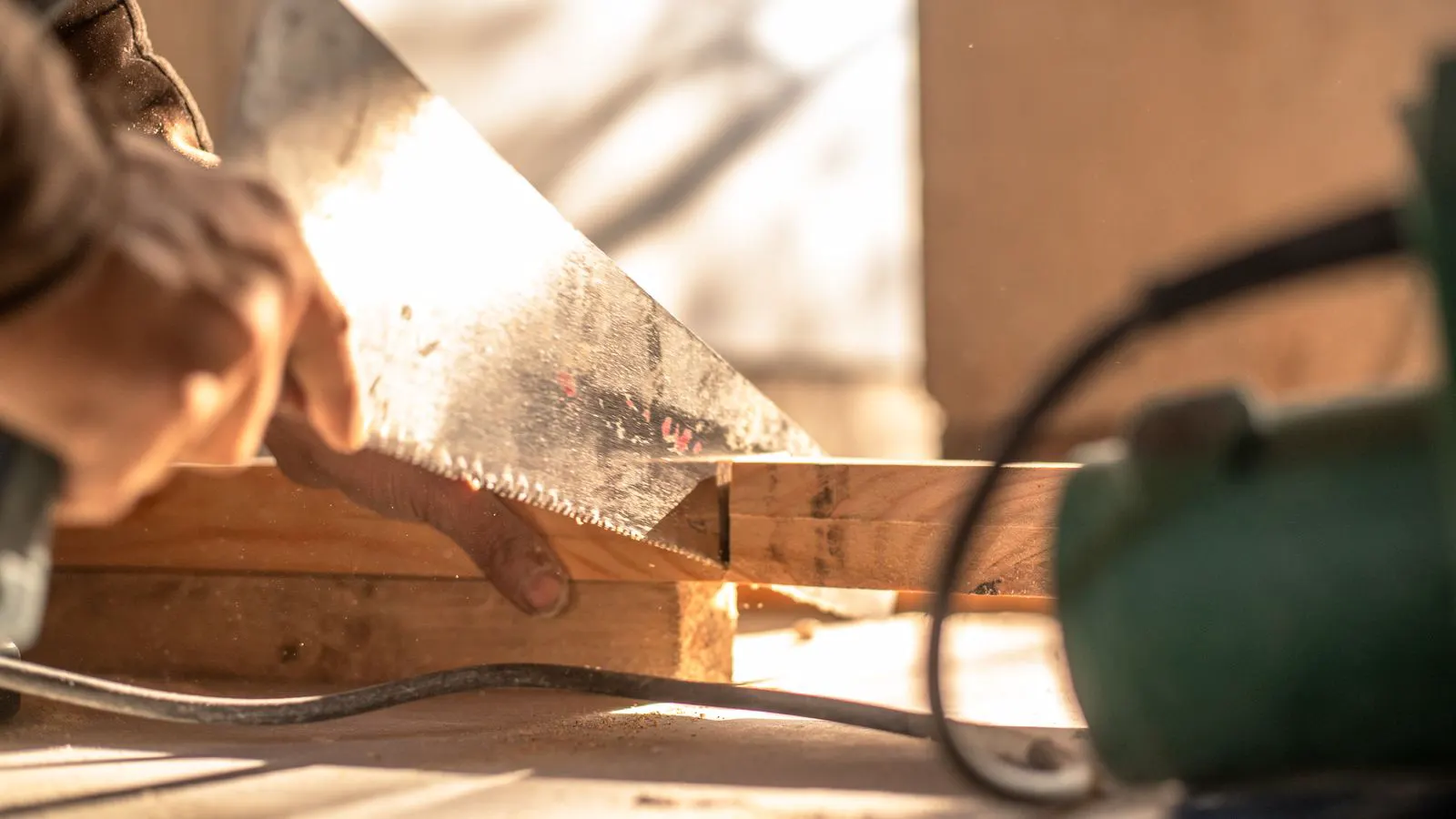
Saws & Cutting
Why Saw Guard Interlocks Fail: Causes and Prevention
Saw guard interlock failure usually stems from worn sensors, corroded contacts, or mechanical misalignment. These faults stop machines from starting or cause false
Practical guides on selecting, setting up, and maintaining industrial saws for precise and efficient wood cutting.
Saw guard interlock failure usually stems from worn sensors, corroded contacts, or mechanical misalignment. These faults stop machines from starting or cause false
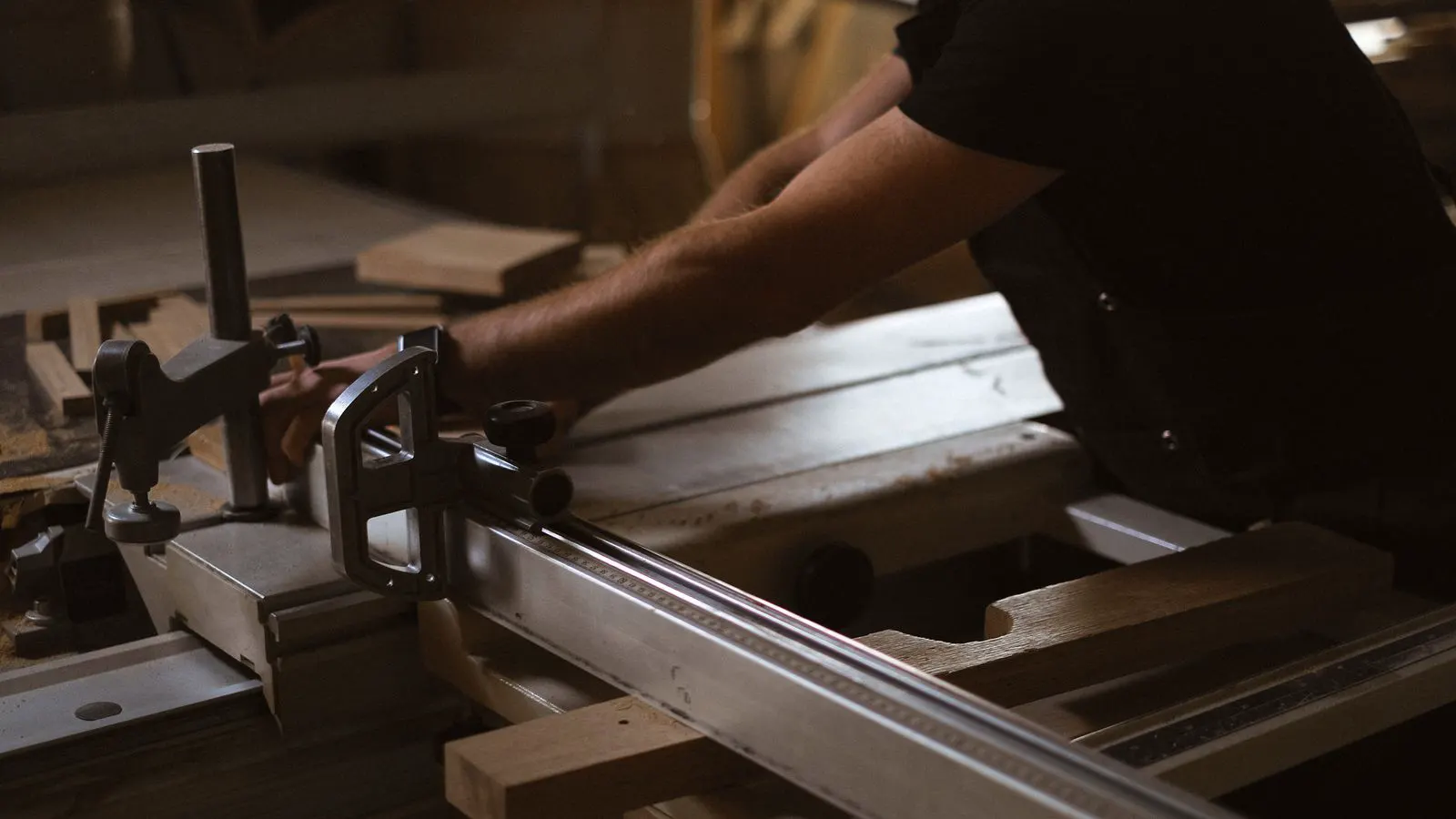
Selecting the right industrial panel saw depends on matching capacity, speed, and automation to your production volume. Prioritize blade quality, fence accuracy, and
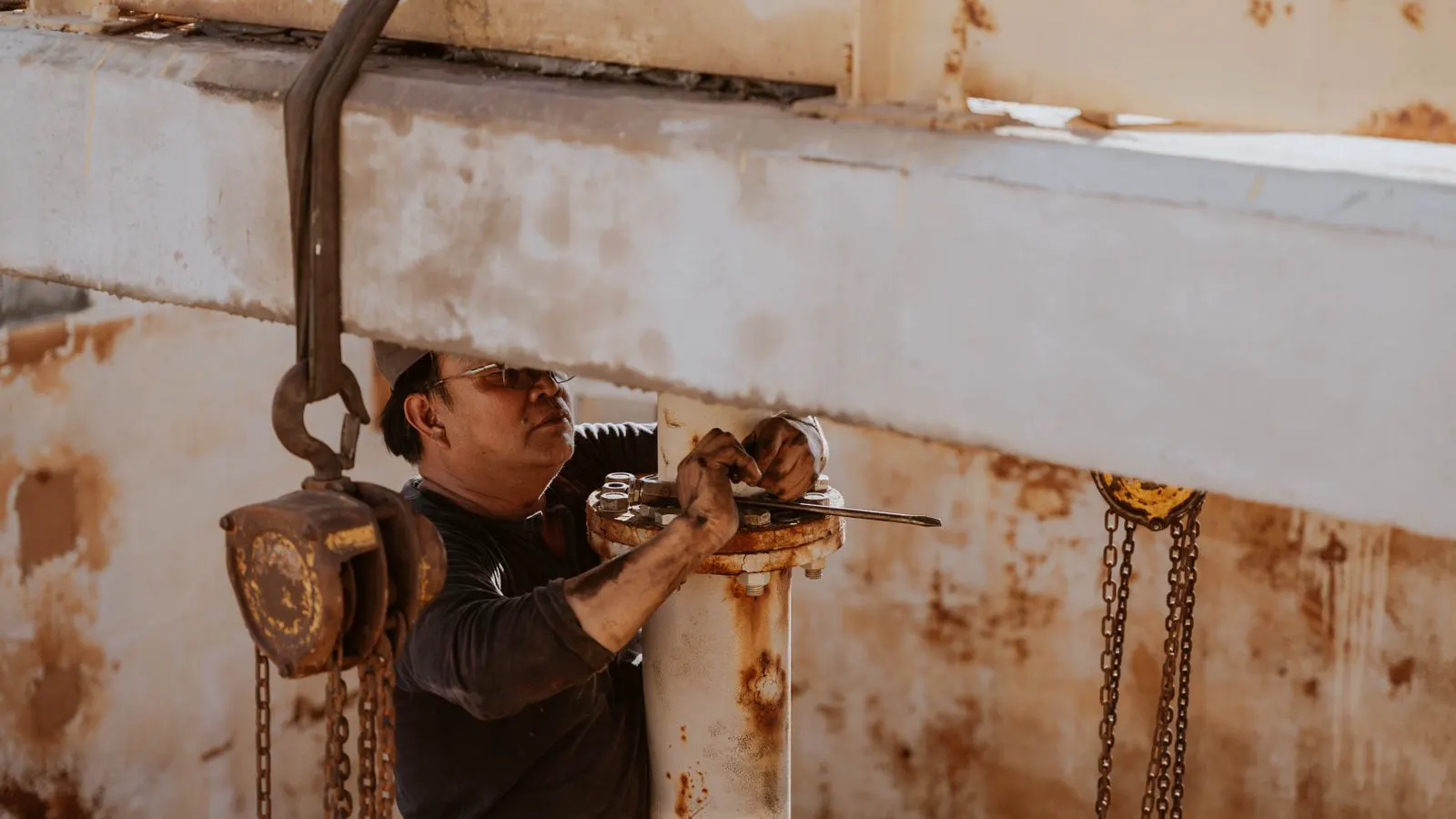
Predictive maintenance for industrial saws uses sensor data to forecast blade wear, spindle issues, and electrical faults. This approach shifts upkeep from fixed
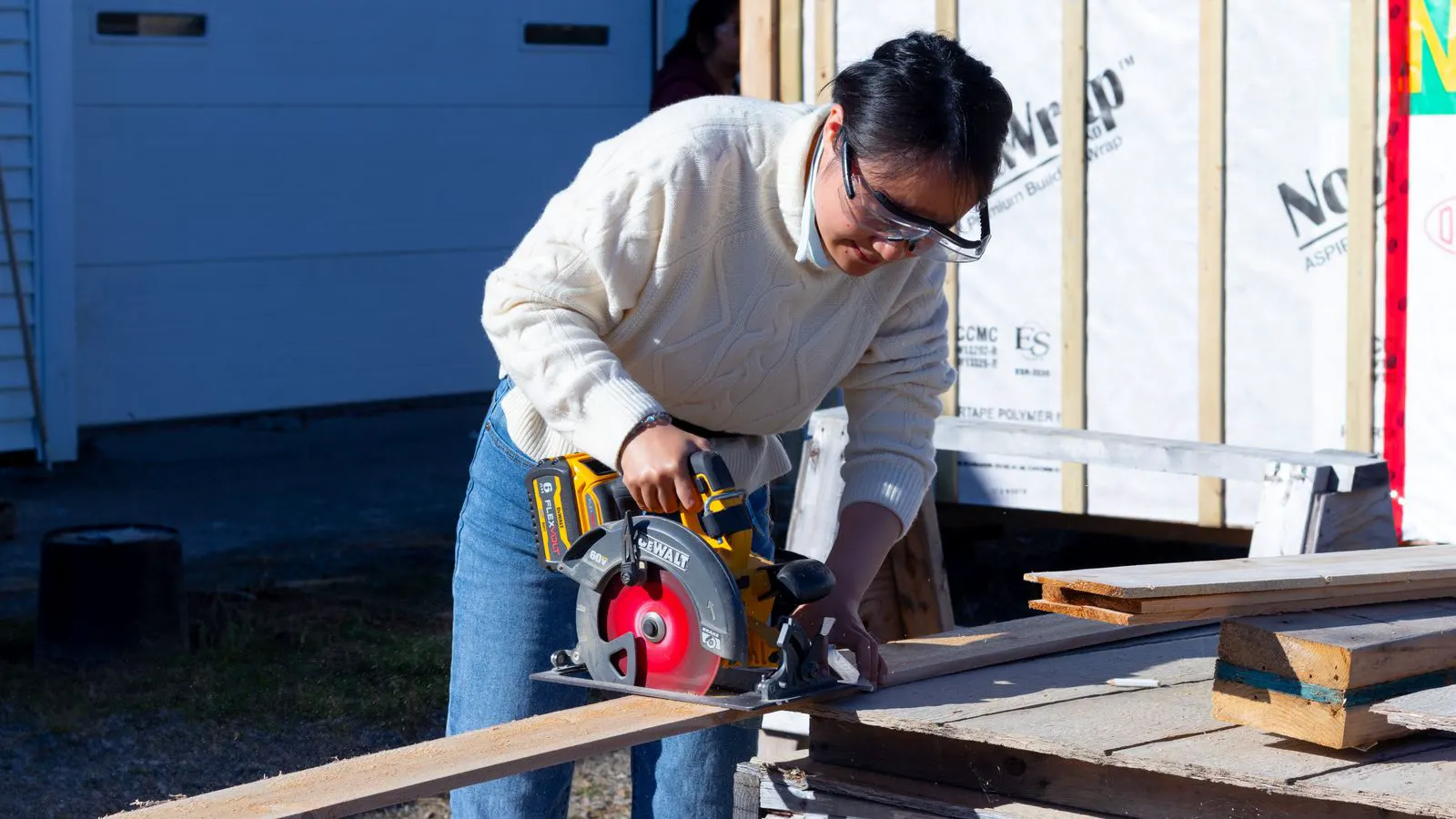
Circular saw blade chatter results from vibration caused by runout, loose mounting, or improper feed speed. This guide lists symptoms, likely causes, and practical fixes
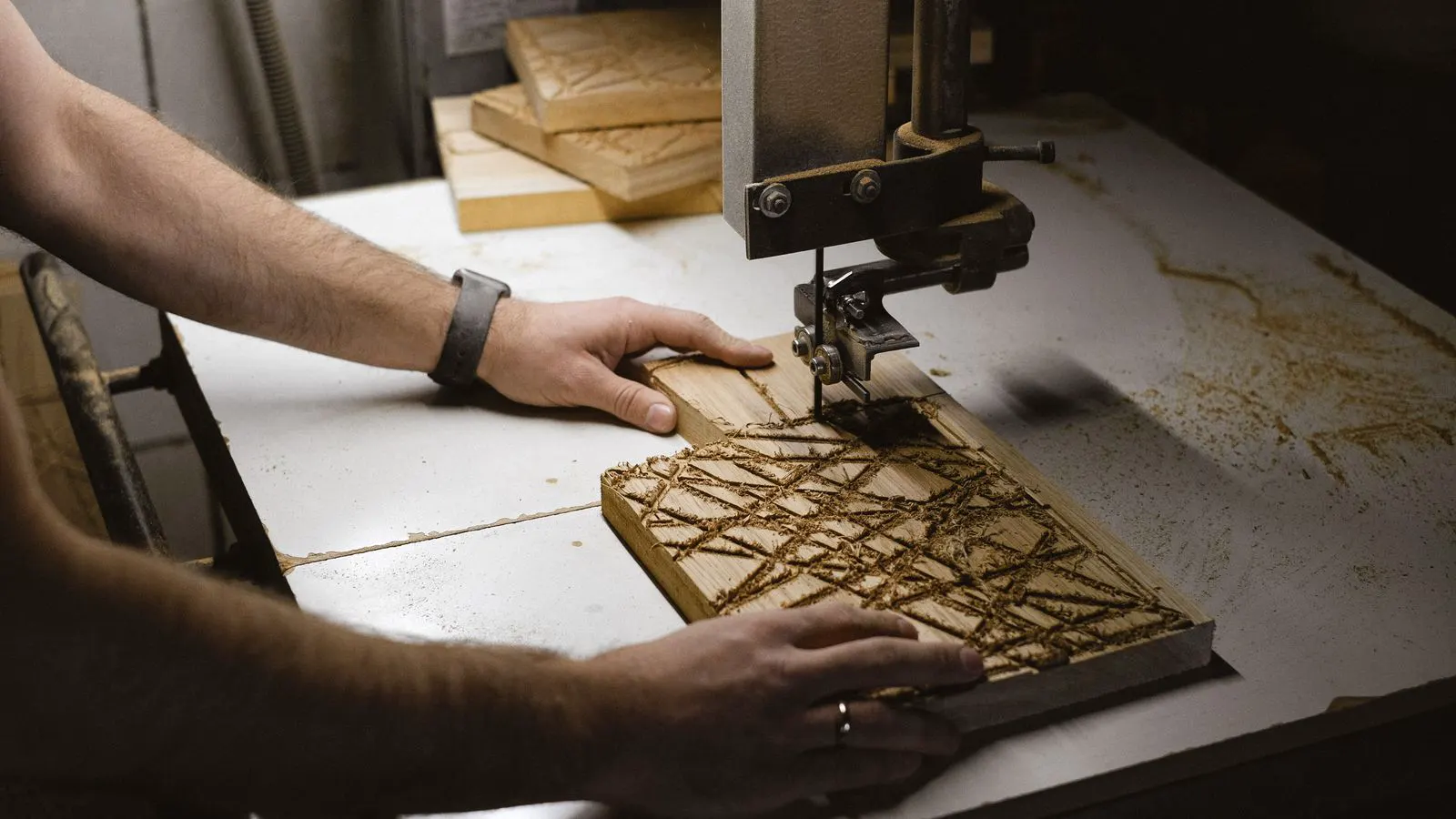
Proper panel saw fence alignment ensures zero cross-cut error. This guide covers prerequisites, practical calibration steps, and verification methods to achieve precise
Importing an industrial panel saw costs more than the sticker price. Total landed costs include the machine, duty, freight, and installation. A clear budget separates
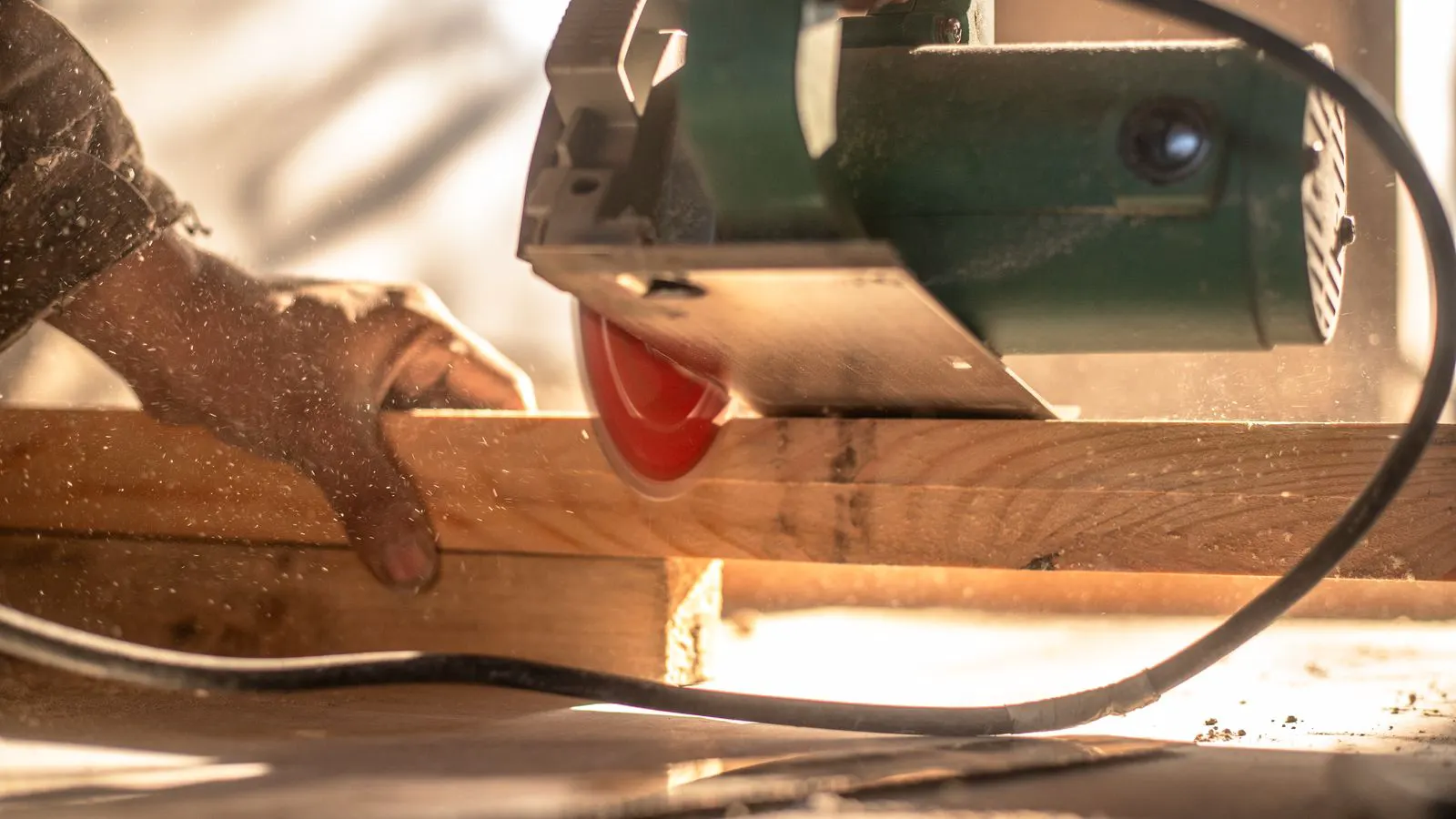
Blade runout causes inaccurate industrial cuts because the cutting edge moves in a circular arc instead of a straight line. This mechanical error creates inconsistent
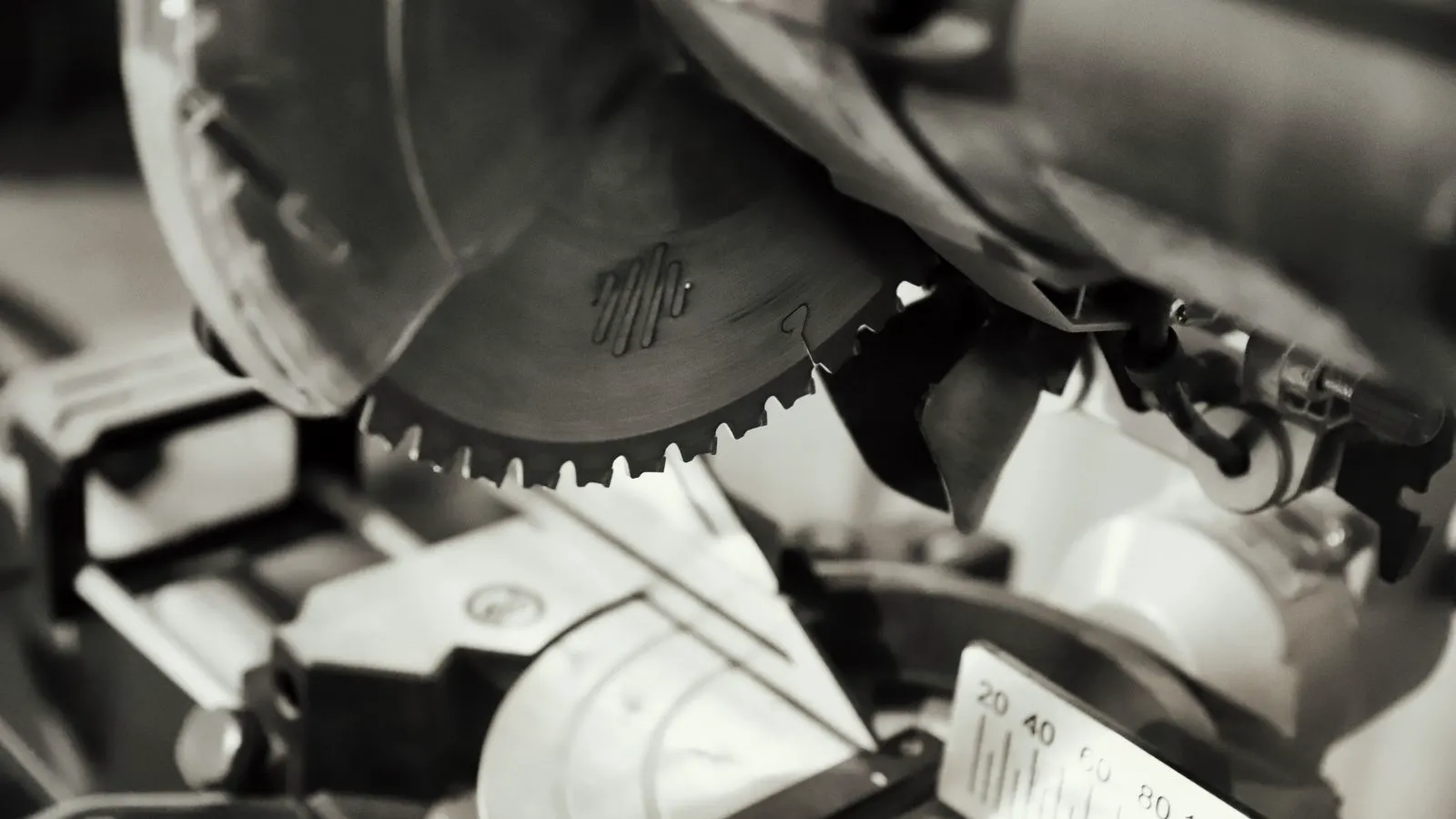
A panel saw price depends on blade quality, motor power, and shipping routes. This guide breaks down the main cost drivers so buyers can compare quotes fairly and plan
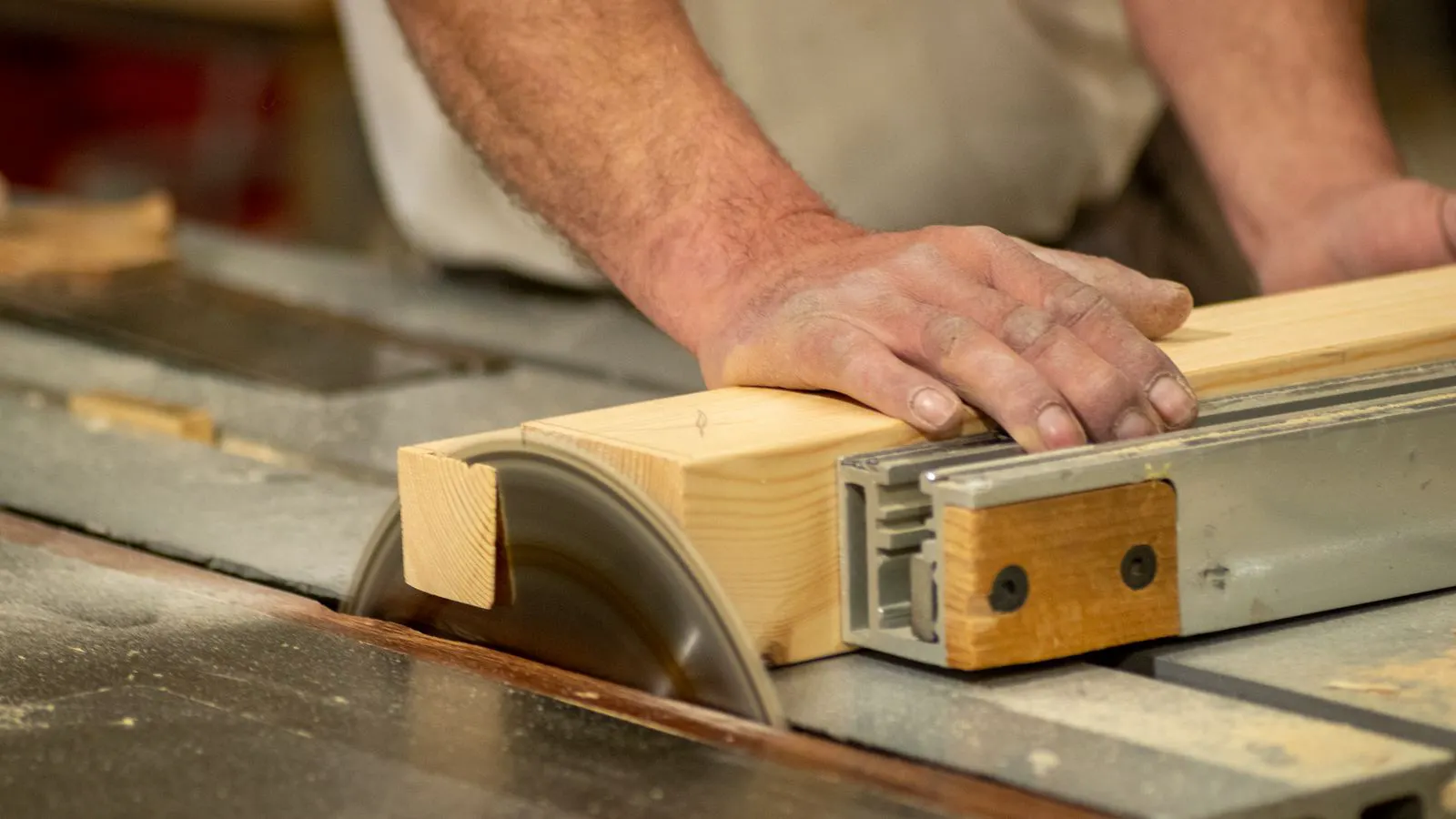
Saw maintenance is moving from scheduled downtime to predictive monitoring. Buyers should plan for sensor integration, digital work orders, and stricter blade data
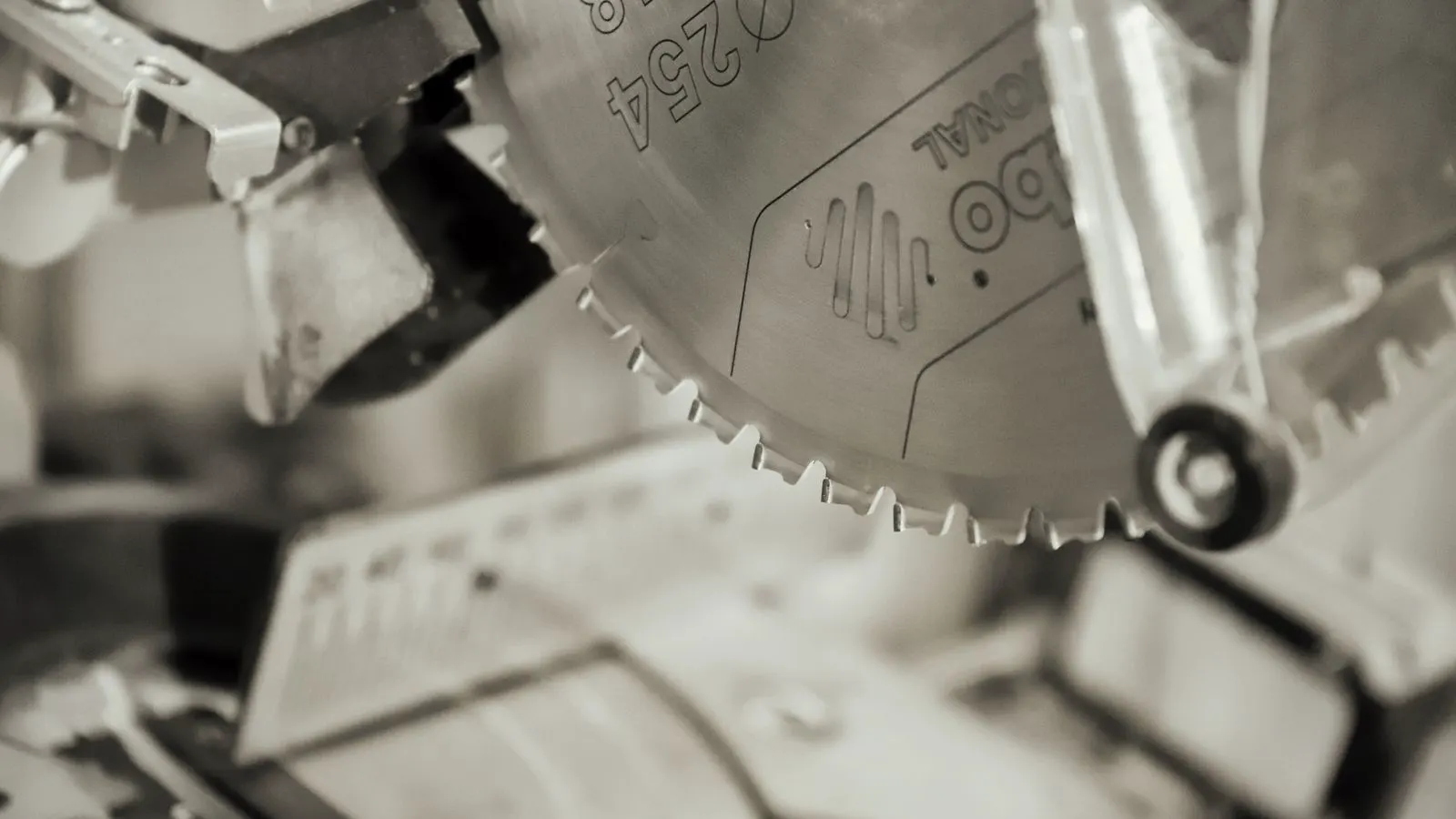
Run these five checks before starting a shift: inspect the blade for damage, verify tooth condition, confirm arbor fit, check for runout, and review the guard system.
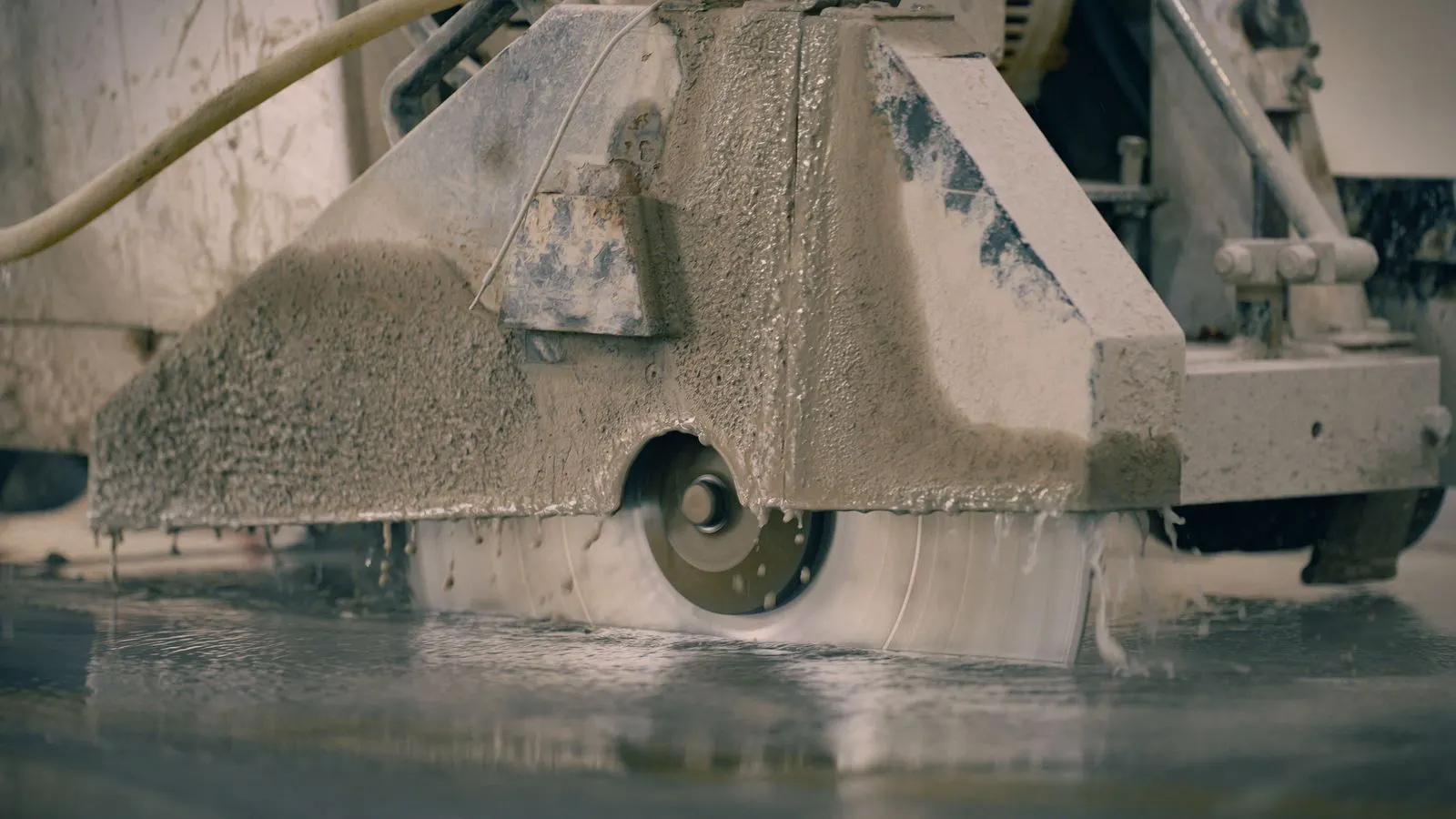
Choose an industrial table saw for flexible, small-to-medium panel work. Select a panel saw when you need high-volume, long-board ripping with consistent kerf and speed.
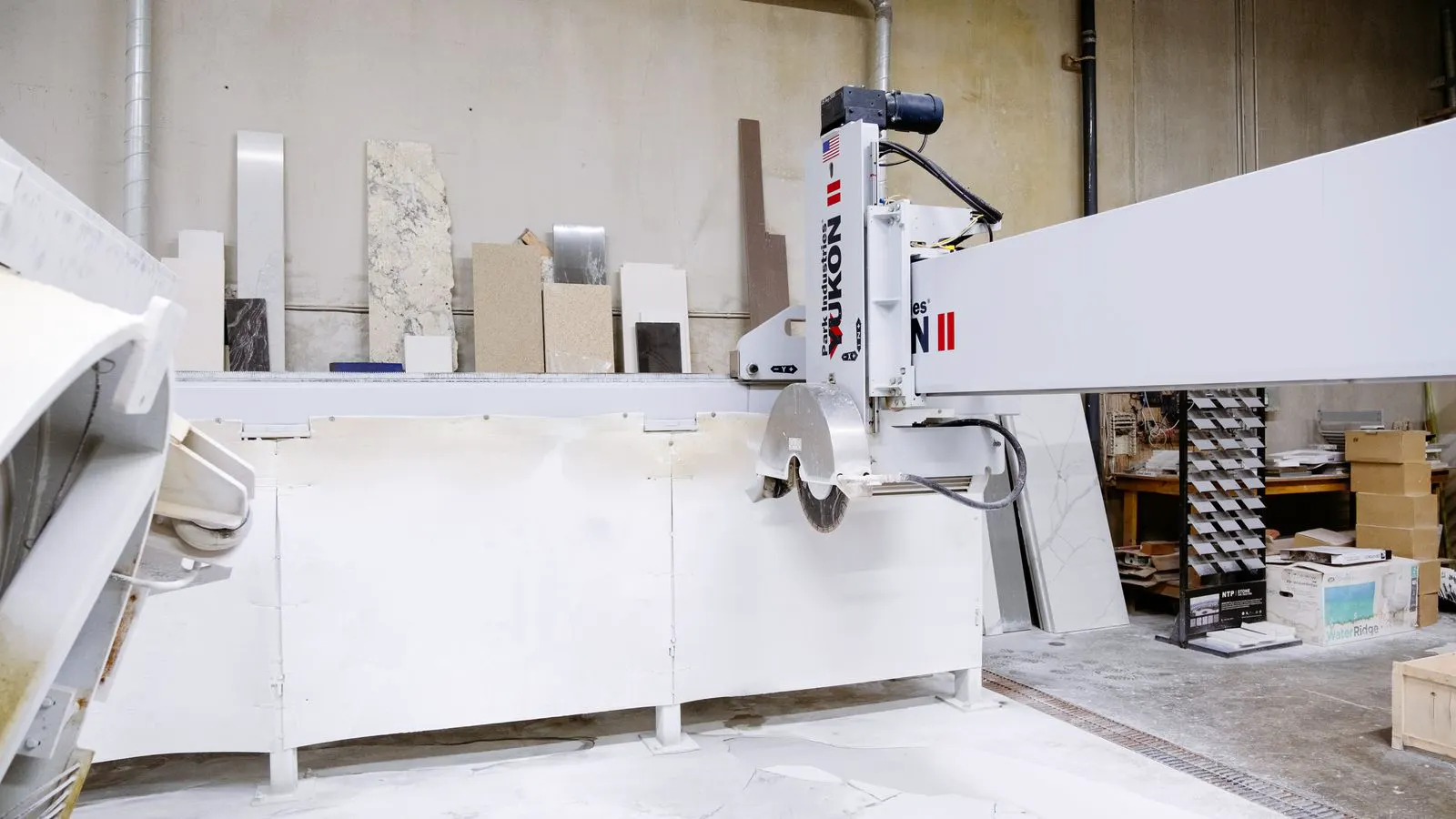
Calibrating a panel saw for zero deflection requires checking blade alignment, fence parallelism, and table flatness. This guide provides step-by-step instructions to