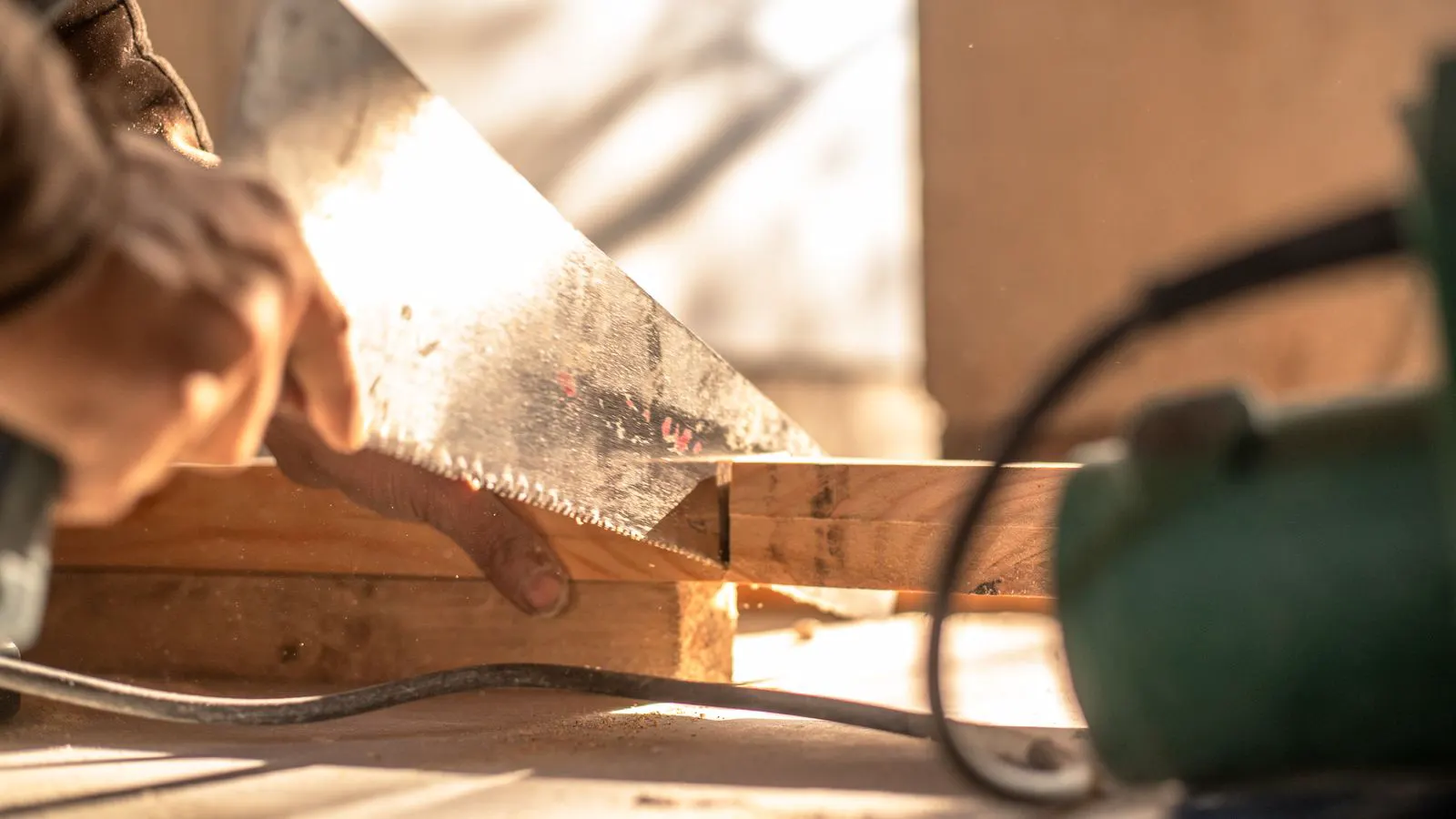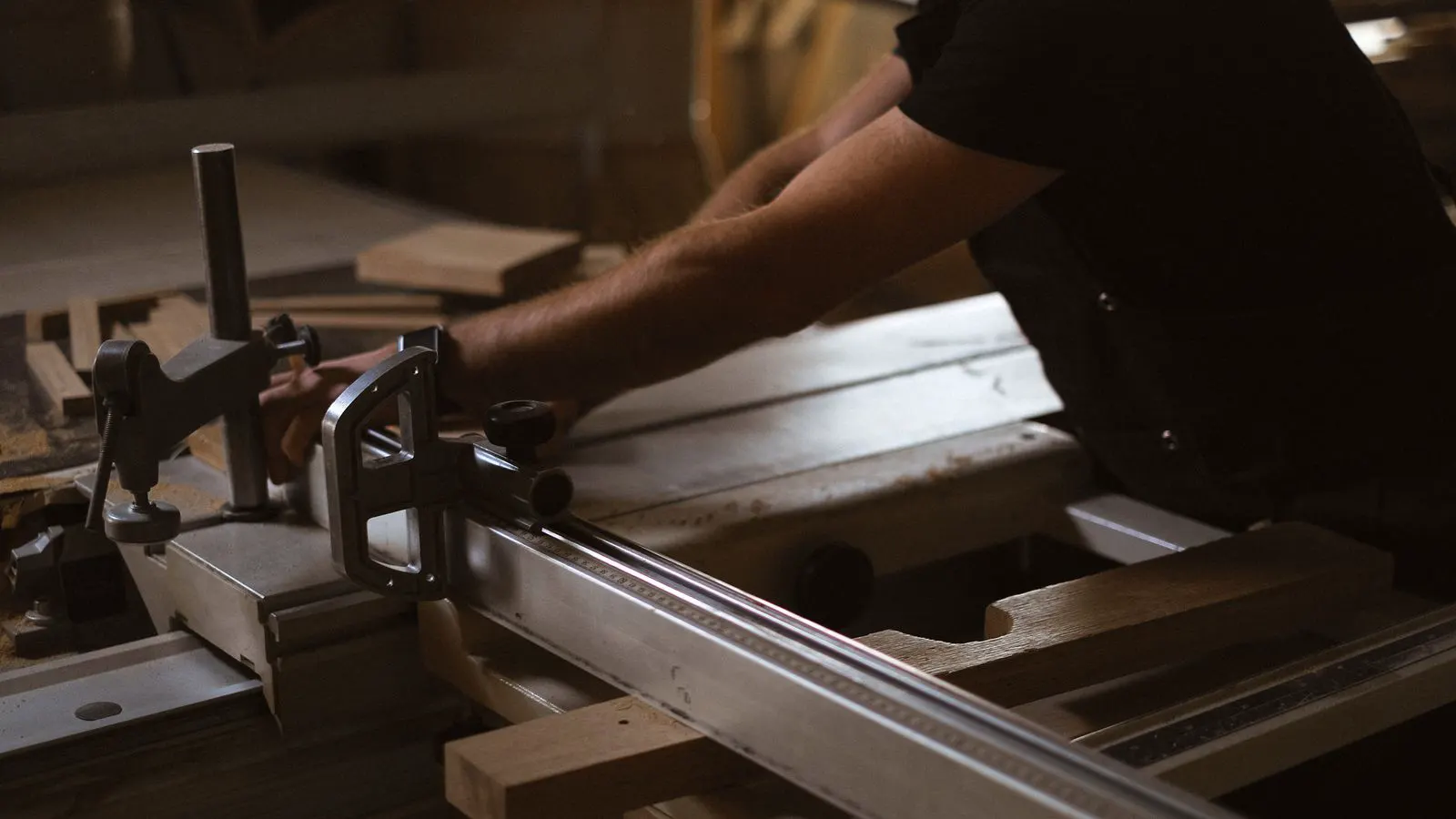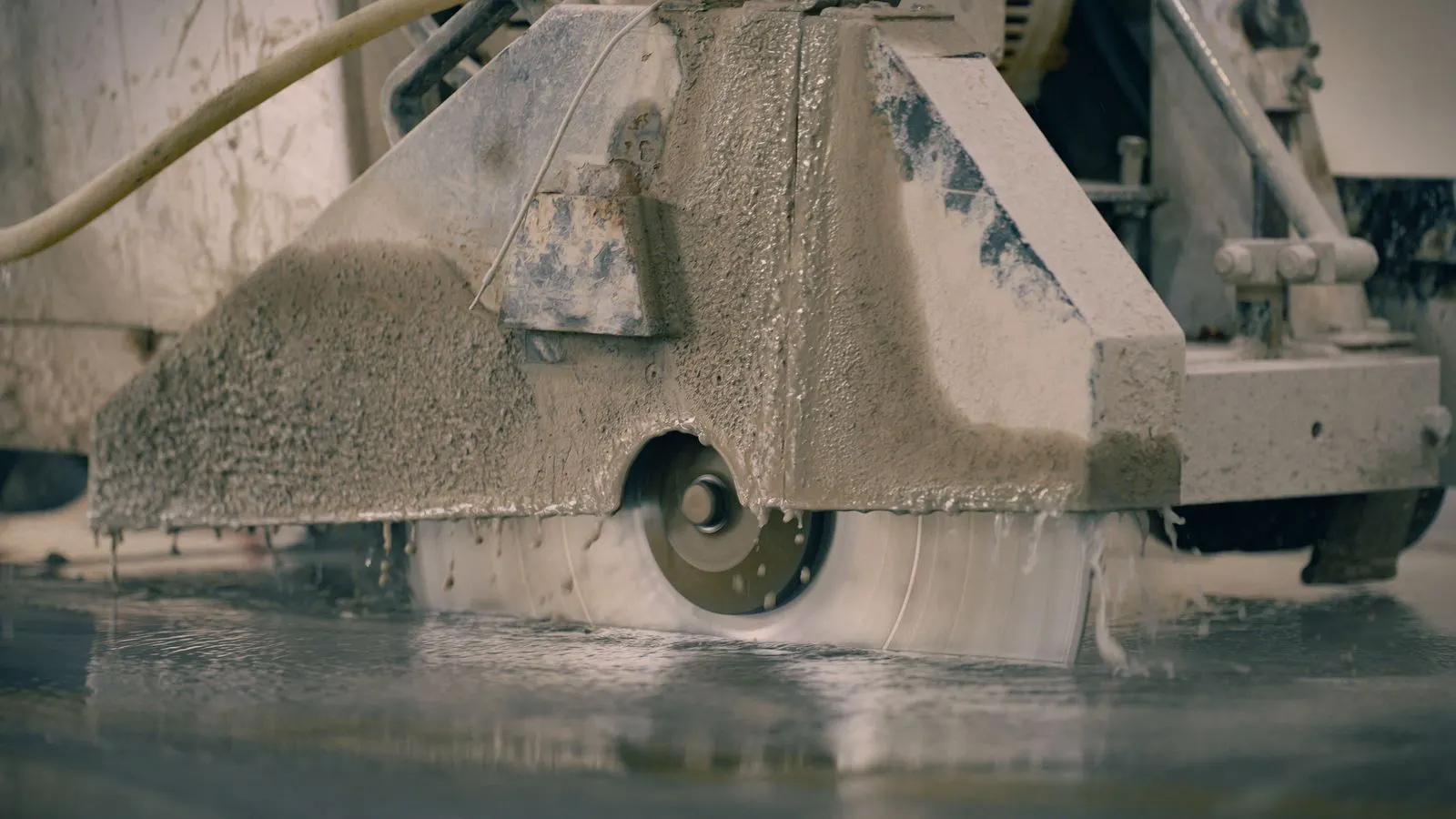
Choose an industrial table saw for flexible, small-to-medium panel work. Select a panel saw when you need high-volume, long-board ripping with consistent kerf and speed.
- An industrial table saw handles varied workpiece sizes and offers flexible positioning for crosscuts and small panels.
- A panel saw excels at high-volume, long-board ripping with consistent kerf and speed.
- Blade selection and machine stability determine the final quality of the cut in both systems.
- Match the tool to your dominant operation, not just the material type.
Which Saw Handles Your Primary Cut
Start with the dominant cut on your floor. If your team makes many crosscuts, small panels, and varied workpieces, an industrial table saw is the natural fit. The table top, adjustable fence, and miter gauge give operators direct control over each piece. If your shop runs long boards through a dedicated line and needs consistent rip cuts, a panel saw is the stronger choice. The long blade and straight guide rails reduce deflection and keep the kerf tight.
The decision is not about which tool is better. It is about which tool removes friction from your most frequent operation.
Side-by-Side Comparison
| Option | Best for | Limitations |
|---|---|---|
| Industrial table saw | Flexible crosscuts, small panels, varied workpiece sizes | Slower on long boards; fence accuracy depends on operator setup |
| Panel saw | High-volume rip cuts, long boards, consistent kerf | Less flexible for crosscuts; larger floor space and setup required |
| Hybrid saw line | Mixed production with some ripping and some crosscutting | More complex setup; may not match dedicated speed of either tool |
| Manual circular saw | Occasional cuts, small batches, field work | Lower precision; more operator input per cut |
A table saw gives you a work surface. A panel saw gives you a cutting path. That difference shapes the rest of the decision.
Table Saw: Where Flexibility Wins
An industrial table saw is built around a flat, stable table and a circular saw blade that cuts from above. The fence holds the workpiece parallel to the blade. The miter gauge controls the angle for crosscuts. Operators can move the fence quickly, change the blade, and switch between materials without reconfiguring a large gantry.
This setup suits shops that mix work. A cabinet shop may need to rip a few 2x4s, then cut a set of 18-inch panels for a client. A table saw handles both without a full changeover. The kerf width is set by the blade. A standard 10-inch blade gives a clean, straight cut, but the operator must watch for tearout on end grain and adjust feed speed.
The main trade-off is speed on long boards. Pushing a 16-foot board through a table saw requires care. The board can twist, the fence can bind, and the operator must manage two hands on a long piece. For high-volume ripping, that adds time and risk.
Panel Saw: Where Consistency Wins
A panel saw uses a long blade, often 32 inches or larger, guided by a rail system. The workpiece runs on rollers or a table that feeds straight through the blade. The cut is made in one pass, and the guide rails keep the blade path stable. This design is built for long boards and repeated rip cuts.
The benefit is repeatability. Once the blade height and fence position are set, every board gets the same kerf and the same edge quality. For a shop that processes hundreds of boards a week, that consistency reduces trimming, offcuts, and rework.
The limit is flexibility. Crosscuts are possible but awkward. A panel saw is not designed for a quick 12-inch crosscut on a small block. The workpiece must be long enough to engage the blade properly, and the setup time for a different angle or size can slow the line.
Blade Selection and Cut Quality
Both machines depend on the circular saw blade. The blade tooth count, material, and kerf width affect speed, finish, and machine load. A blade with fewer teeth cuts faster but leaves a rougher surface. A blade with more teeth gives a smoother finish but removes less material per pass.
For softwoods like pine or spruce, a standard rip blade works well. For hardwoods or engineered panels, a finer-tooth blade or a carbide-tipped blade reduces chipout. The key is matching the blade to the material and the machine. An industrial table saw can take a smaller blade for tighter work. A panel saw often uses a larger blade for long cuts, which changes the required kerf and support.
Check the blade for wear regularly. A dull blade increases heat, drags the workpiece, and can cause the fence or guide rail to drift. In a panel saw, that drift is visible in the edge of every board. In a table saw, it shows up as a slightly uneven crosscut.
Floor Space and Setup
An industrial table saw occupies a smaller footprint. It sits on a stand or a built-in table. The operator stands at the table and feeds the workpiece by hand or with a push stick. Setup is fast. Move the fence, set the blade height, and cut.
A panel saw is larger. It needs a long rail system, a stable base, and space for the workpiece to travel. The blade housing and guide rails take up room. Installation may require a stronger floor and more clearance for the operator to move the board.
For a small shop, a table saw is easier to integrate. For a production line, a panel saw fits a dedicated bay. If you have both, place the panel saw where long boards enter and exit without crossing other workstations.
When to Choose Each
Choose an industrial table saw when your production mix is varied. You make crosscuts, small panels, and occasional rips. You need to change the blade often for different materials. You work with shorter boards and need a work surface for layout and clamping.
Choose a panel saw when your shop runs long boards through a dedicated line. You need consistent kerf and edge quality on high volumes. You want to reduce trimming and offcuts. You have the floor space and can set up a dedicated cutting station.
A hybrid approach works for some shops. Run a table saw for small work and a panel saw for long rips. The table saw handles the client-specific cuts. The panel saw handles the stock preparation. This setup adds cost and floor space, but it removes the bottleneck from each operation.
Common Mistakes to Avoid
Do not buy a panel saw because it looks like a bigger table saw. The two machines do different jobs. A panel saw is a cutting path. A table saw is a work surface.
Do not ignore blade selection. The wrong blade will make any machine feel slow and imprecise. Match the blade to the material and the cut type.
Do not skip the setup check. A table saw with a loose fence will drift. A panel saw with a misaligned rail will cut a slightly curved edge. Both require regular calibration.
Do not force a long board through a table saw if your line needs speed. The operator will slow down, and the cut will be less repeatable.
Do not ignore the material. Engineered panels, plywood, and solid wood behave differently. A blade that works on pine may tear out on MDF. Adjust the feed and the blade accordingly.
Final Choice Checklist
- Identify your dominant cut type.
- Estimate the volume of long boards versus short boards.
- Check your floor space for the machine footprint.
- Match the blade to the material and the cut.
- Plan for setup time and operator training.
- Decide if a hybrid setup fits your production mix.
The right tool is the one that removes friction from your most frequent operation. If you make many small cuts, a table saw saves time. If you make many long rips, a panel saw saves rework.
Frequently asked questions
Can I use a panel saw for crosscuts?
Yes, but it is not the most efficient use. The workpiece must be long enough to engage the blade, and the setup is slower than a table saw.
What blade size is typical for an industrial table saw?
Most industrial table saws use blades in the 10-inch to 24-inch range. The exact size depends on the table depth and the workpiece size.
How often should I check the fence alignment on a table saw?
Check it after any major setup change and before a long production run. A drifting fence affects every crosscut and can waste material.
Does a panel saw require more power than a table saw?
Generally yes, because the blade is larger and the cut is longer. The motor and drive system must handle the continuous load of a long rip.
Can I start with a table saw and add a panel saw later?
Yes. Many shops start with a table saw for flexibility and add a panel saw when long-board volume grows. This avoids buying a dedicated line too early.