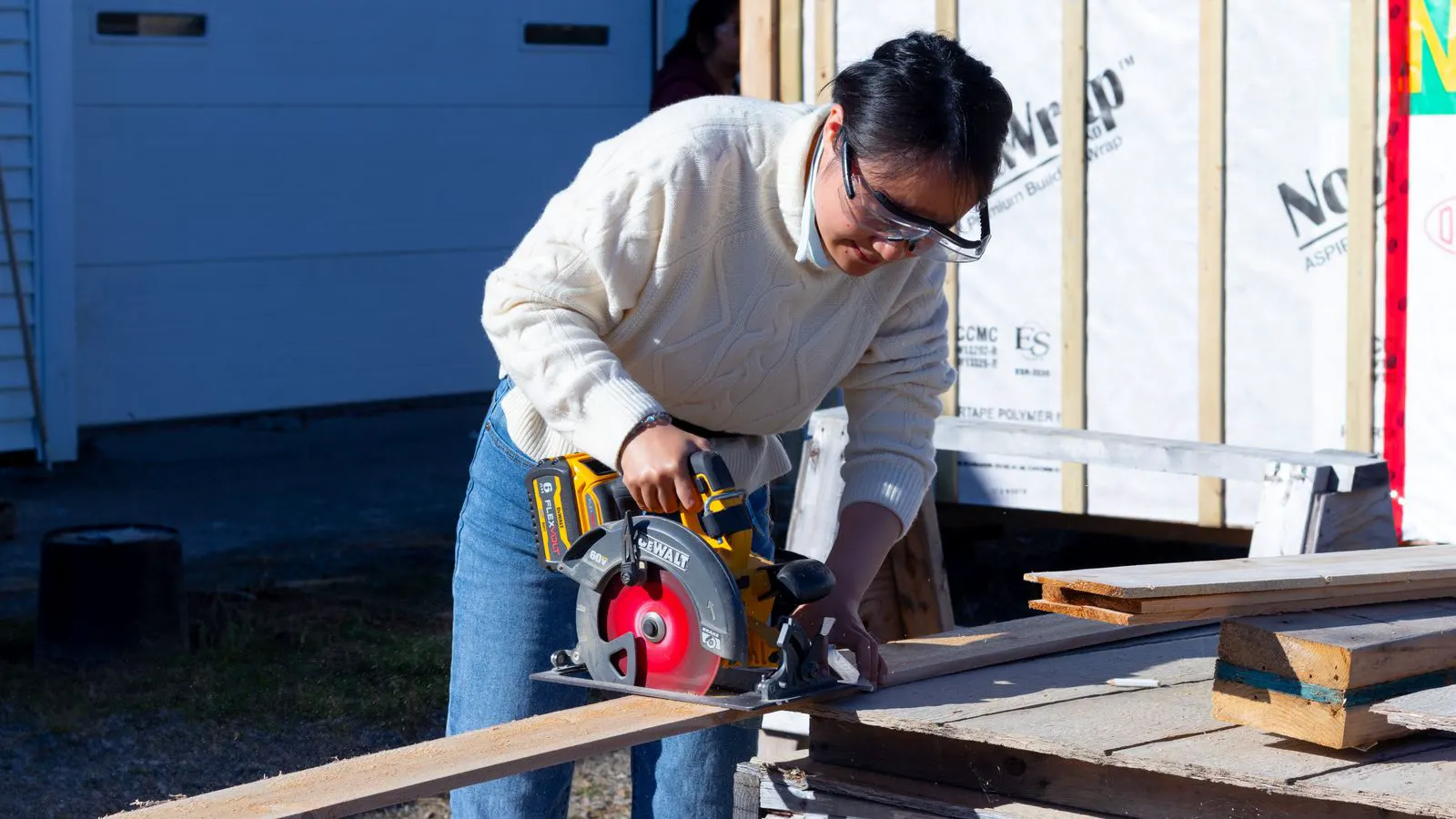
Predictive maintenance for industrial saws uses sensor data to forecast blade wear, spindle issues, and electrical faults. This approach shifts upkeep from fixed schedules to condition-based actions, helping operators reduce unplanned downtime and extend equipment life through precise monitoring.
- Sensor data on vibration, temperature, and power draw allows operators to detect early faults before they cause breakdowns.
- Moving from fixed intervals to condition-based checks reduces unnecessary part replacement and extends component life.
- Integration of saw data into broader plant systems supports better scheduling and inventory planning.
- Initial setup requires clear data standards and operator training to interpret alerts correctly.
- Maintenance culture must shift from reactive repair to proactive monitoring for full benefits.
Predictive maintenance for industrial cutting equipment is moving from pilot projects to standard practice. Operators now rely on vibration sensors, thermal imaging, and power consumption data to anticipate failures in saws. The result is a shift from calendar-based servicing to condition-based actions that align maintenance with actual machine health.
What predictive maintenance changes in saw operations
Traditional saw maintenance follows fixed intervals. Technicians replace belts, clean guards, and inspect blades after a set number of hours or days. Predictive maintenance adds continuous monitoring to this baseline. Sensors attached to spindles, bearings, and motors record real-time conditions. When a value drifts outside expected ranges, the system flags a potential issue.
This shift changes how maintenance teams allocate time. Instead of spending hours checking healthy components, technicians focus on machines showing abnormal patterns. For a panel saw, a slight increase in spindle vibration might indicate bearing wear before it becomes a loud grinding noise. For a ribbon saw, fluctuations in motor current can signal tension loss or blade guide misalignment.
The practical impact is clearer. Downtime drops because failures are caught early. Part inventory becomes more predictable because replacements happen when needed, not when a calendar says so. Operators gain confidence that the next production run will not be interrupted by a sudden mechanical failure.
Key sensors and data points to monitor
Each saw type has specific failure modes that sensors can detect. Vibration analysis is the most common starting point. It monitors spindle bearings, motor mounts, and drive systems. A rising frequency signature often points to imbalance or bearing wear.
Thermal sensors track heat buildup in motors, gearboxes, and brake assemblies. Overheating can result from friction, lubrication failure, or electrical issues. In high-speed table saws, motor temperature spikes may precede insulation degradation.
Power consumption data reveals changes in mechanical load. A saw that draws more current to perform the same cut is working harder than it should. This pattern suggests blade dulling, fence misalignment, or increased friction in the table mechanism.
Acoustic sensors are less common but useful for detecting abnormal sounds in cutting operations. They can identify blade chatter, bearing defects, or tension issues in ribbon saws. Combining multiple data streams gives a fuller picture than any single sensor.
| Monitoring Parameter | Typical Saw Component | Early Warning Sign | Action Taken |
|---|---|---|---|
| Vibration Frequency | Spindle Bearing | Rising tone at specific RPM | Schedule bearing inspection |
| Motor Temperature | Electric Motor | Sustained rise above baseline | Check ventilation and load |
| Current Draw | Drive System | Increased amps for same cut | Inspect blade and alignment |
| Power Fluctuation | Gearbox | Irregular cycling patterns | Lubricate and check mesh |
| Blade Tension Data | Ribbon Saw | Drop in tension value | Adjust tensioner and guides |
How industrial cutting machinery adapts to data
Saw manufacturers and integrators are embedding data collection into new machine designs. Many modern industrial saws include built-in sensors and communication ports. This reduces the need for aftermarket sensor kits, though those remain viable for older equipment.
The integration point matters. A saw that reports data to a local controller offers limited insight. A machine that feeds information into a plant-wide network enables broader analysis. Data from the saw can correlate with other equipment, such as feed conveyors or dust extraction systems. This context helps distinguish a saw-specific issue from a plant-wide problem.
For example, if a panel saw shows increased vibration while the feed conveyor also reports irregular motion, the root cause may be a misaligned infeed. If only the saw data is abnormal, the issue is likely internal to the machine. This correlation capability is a major advantage of connected cutting machinery.
Woodworking machine IoT and connectivity
Woodworking machine IoT refers to the networked collection and analysis of machine data. In saw operations, this involves transmitters, gateways, and software platforms. The transmitters sit on the machine and send data over wireless or wired connections. Gateways aggregate this data and forward it to a central server or cloud platform.
Connectivity standards vary by region and facility. Some plants use industrial Ethernet for stable, low-latency transmission. Others prefer wireless solutions for easier installation and flexibility. The choice depends on the environment. Metal structures and dust can interfere with some wireless frequencies, so site surveys are necessary before deployment.
Data security is a concern for many operators. Saw data is not highly sensitive compared to proprietary designs, but network security remains a baseline requirement. Access controls, encrypted transmission, and regular software updates protect the integrity of the system. A compromised maintenance network could lead to incorrect alerts or data tampering.
Five shifts buyers should plan for
The move toward predictive maintenance requires changes in how organizations buy and manage saws. Buyers should expect these shifts in the coming years.
-
Shift from reactive to proactive maintenance contracts
Service agreements will increasingly include data monitoring. Vendors will offer packages that cover sensor calibration, data review, and remote diagnostics. Buyers should evaluate contract terms to ensure they include access to historical data and clear response times for flagged issues. -
Shift in capital expenditure toward connectivity
New saw purchases may include premium tiers with built-in IoT capabilities. Budgets should account for these options. Even when purchasing older models, the cost of adding sensors and gateways is lower than the cost of unplanned downtime. -
Shift in skill requirements for maintenance staff
Technicians will need training in data interpretation. Understanding vibration spectra, thermal patterns, and power curves is different from routine mechanical work. Investment in training and certification programs will be necessary to fully use predictive systems. -
Shift in spare parts inventory management
Predictable failure patterns allow for leaner inventory. Instead of stocking multiple blade types and bearings for every machine, operators can hold fewer items and order them when alerts trigger. This reduces capital tied up in parts and storage space. -
Shift in vendor relationships
Saw vendors will become data partners. They will provide insights into machine health, recommend maintenance windows, and potentially offer remote troubleshooting. Buyers should assess vendor capabilities in this area during the sales process.
How to prepare for condition-based maintenance
Preparing for predictive maintenance starts with a clear understanding of current saw performance. Operators should document baseline conditions for each machine. This includes normal vibration levels, motor temperatures, and power consumption at standard cutting loads.
Next, identify critical assets. Not every saw in a facility requires the same level of monitoring. High-value machines that run continuous shifts warrant full sensor suites. Lower-usage machines may benefit from basic monitoring of key parameters. Prioritization ensures limited budgets target the highest-risk equipment.
Operator involvement is essential. Operators are the first to notice unusual sounds, smells, or behaviors. Their observations should be part of the maintenance data set. Digital checklists and mobile apps make it easy for operators to log observations and trigger alerts.
Finally, integrate saw data with existing maintenance management systems. If the plant uses a CMMS, saw alerts should flow into work orders automatically. This closes the loop between detection and action. Without this integration, data sits in a dashboard while technicians continue using paper logs or memory.
Predictive maintenance is not a single technology but a system of sensors, software, and processes. The saws themselves are only one part. The real value comes from how data is interpreted, acted upon, and used to improve future operations.
Frequently asked questions
What does predictive maintenance mean for saw operations?
It uses sensor data to forecast mechanical failures before they occur. This allows maintenance teams to schedule repairs during planned downtime instead of reacting to breakdowns.
How do I know if my saw is ready for predictive monitoring?
Most industrial saws can be retrofitted with vibration, temperature, and current sensors. Newer machines often have built-in connectivity ports that simplify sensor installation.
What data is most useful for detecting saw problems?
Vibration frequency, motor temperature, and power draw are the most common indicators. They reveal bearing wear, overheating, and mechanical load changes before visible symptoms appear.
Do I need a network to use predictive maintenance?
A local network or cloud connection is helpful for real-time monitoring. Some systems can store data locally and sync when connectivity is available, which works for sites with limited network access.
How long does it take to see benefits from predictive maintenance?
Initial setup involves sensor installation and baseline data collection. Benefits appear as operators begin catching early faults and reducing emergency repairs. The timeline depends on machine usage and data quality.