
Choosing a Supplier
Checklist: 8 Items for Vendor Financial Health Checks
This checklist provides eight financial indicators for evaluating supplier stability. It covers cash flow, debt, payment terms, and audit records to help buyers reduce
Practical woodworking machinery selection, specs, and supplier checks.
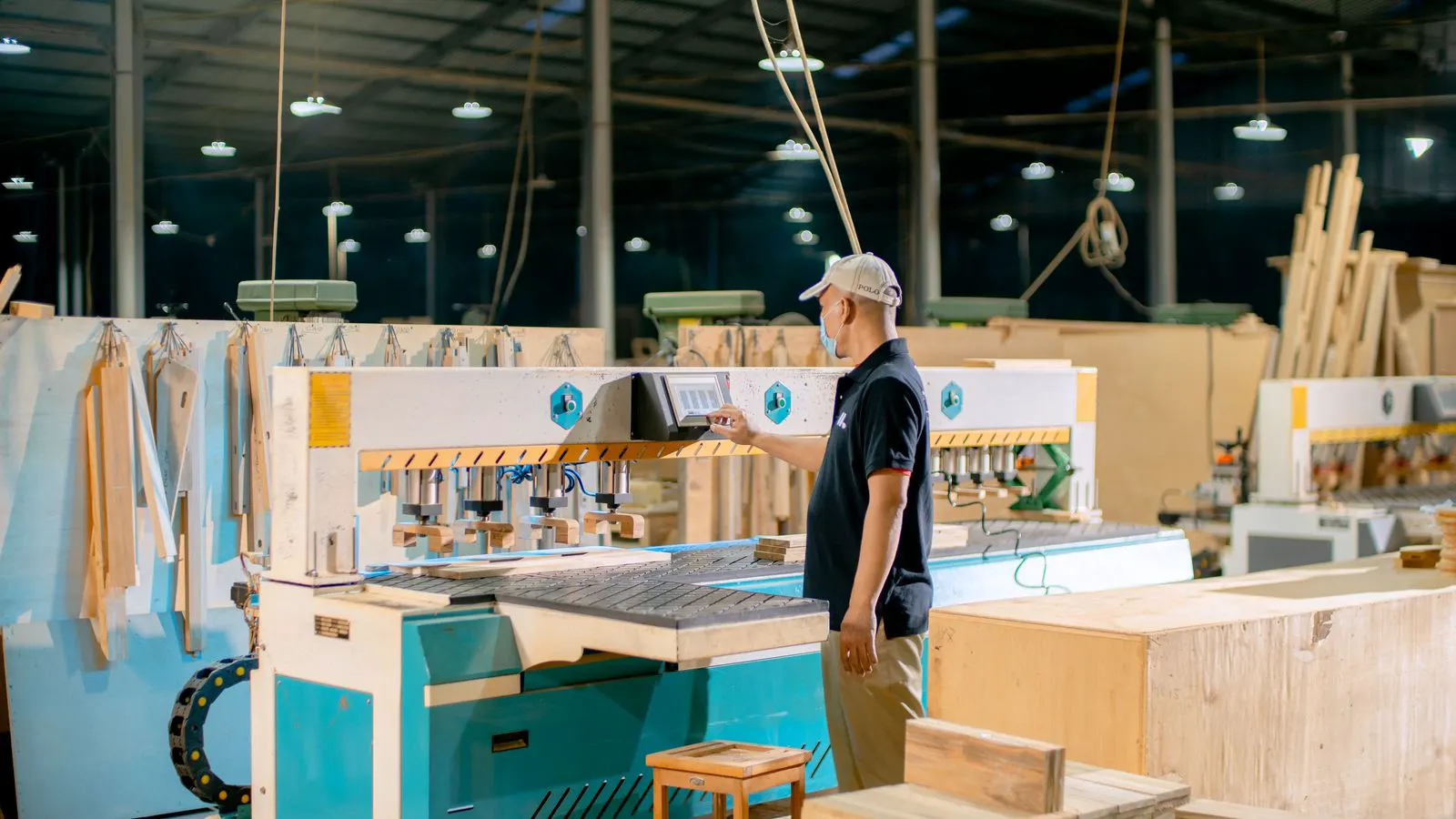
This site covers the machinery and systems that determine output, quality, and maintenance costs in a woodworking shop. It compares saws, CNC routers, edge banding lines, and dust extraction setups based on the specifications buyers actually evaluate.
Readers find plain-language explanations of tolerances, power ratings, and material limits. The content also covers supplier selection, cost recovery, and the standards that affect safety and warranty support.
Start with the stage of the sourcing process you are in.
Practical guides on selecting, setting up, and maintaining industrial saws for precise and efficient wood cutting.
Insights into CNC router selection, software compatibility, spindle options, and applications for custom woodworking.
Overviews of edge banding machines, adhesive systems, and finishing techniques for professional furniture and panel work.
Guides on choosing, sizing, and maintaining dust extraction systems to keep workshops safe and compliant with regulations.
Practical information on workshop safety protocols, machine guards, and relevant international standards for woodworking operations.
Helpful breakdowns of machinery costs, total cost of ownership, and methods to evaluate return on investment for buyers.
Advice on evaluating suppliers, verifying machine quality, understanding warranties, and negotiating terms for industrial equipment.
This checklist provides eight financial indicators for evaluating supplier stability. It covers cash flow, debt, payment terms, and audit records to help buyers reduce
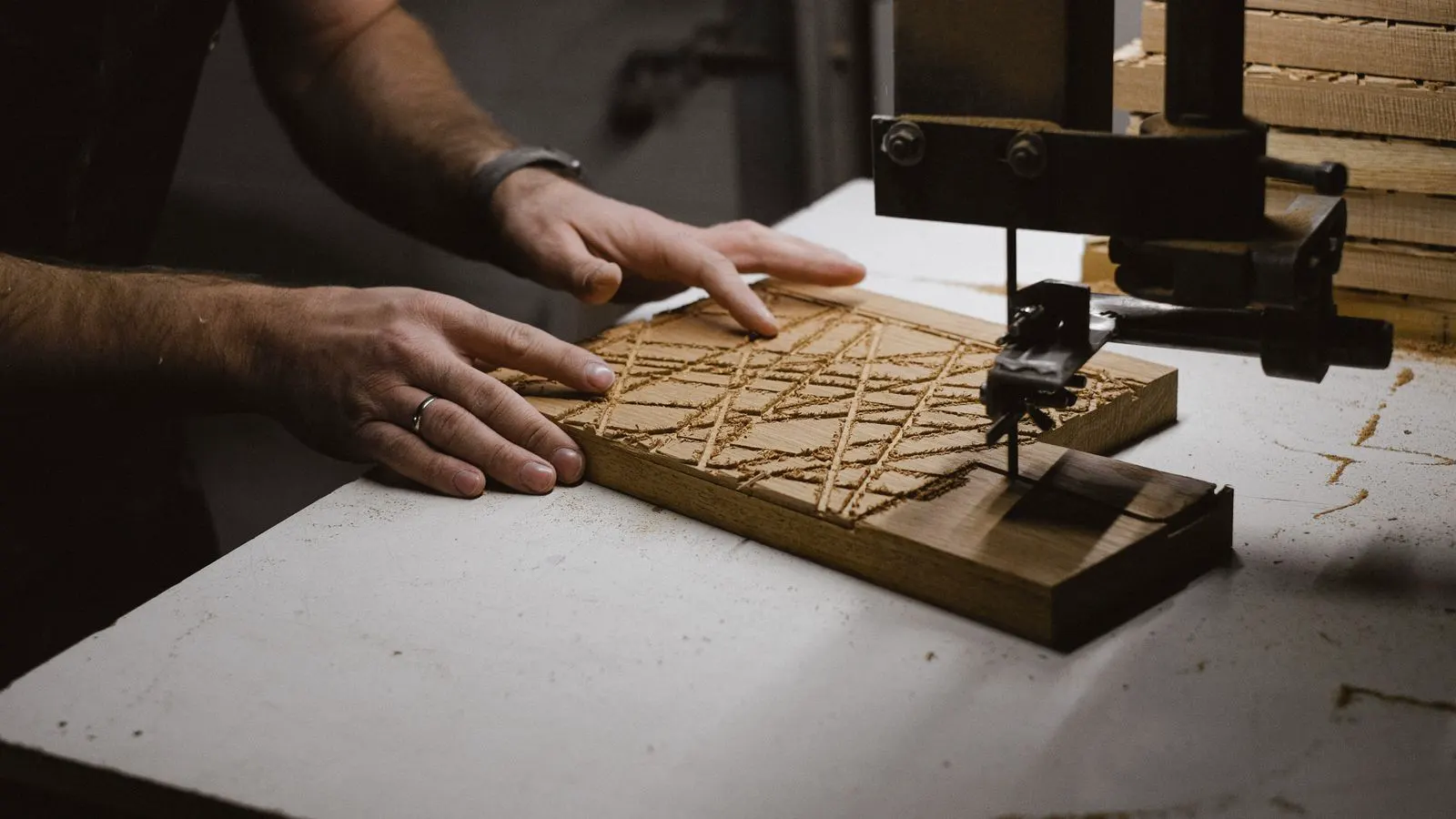
A machine performance gap appears when delivered hardware fails to match documented specs. Address it by isolating the variable, checking mechanical alignment, and

Measure cnc spindle runout using dial indicators and laser tools at multiple points. Compare results against manufacturer tolerances and industry standards. Reject

Artificial intelligence will change how buyers evaluate machinery suppliers by automating document checks, flagging production risks, and predicting warranty claims.
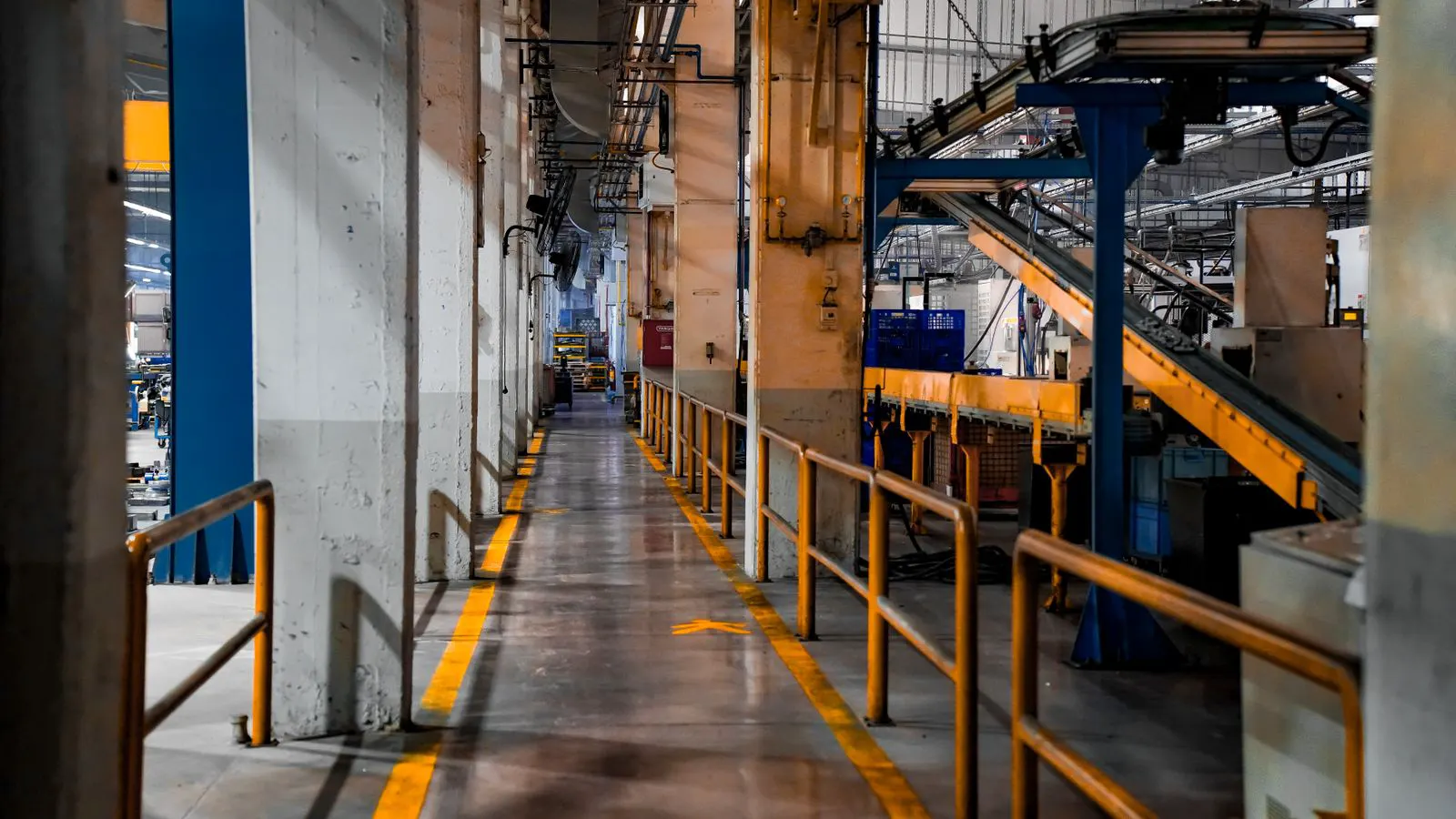
Dust system installation costs vary by shop size, layout, and local codes. This guide breaks down price drivers, schedule factors, and how to write a precise RFQ so you
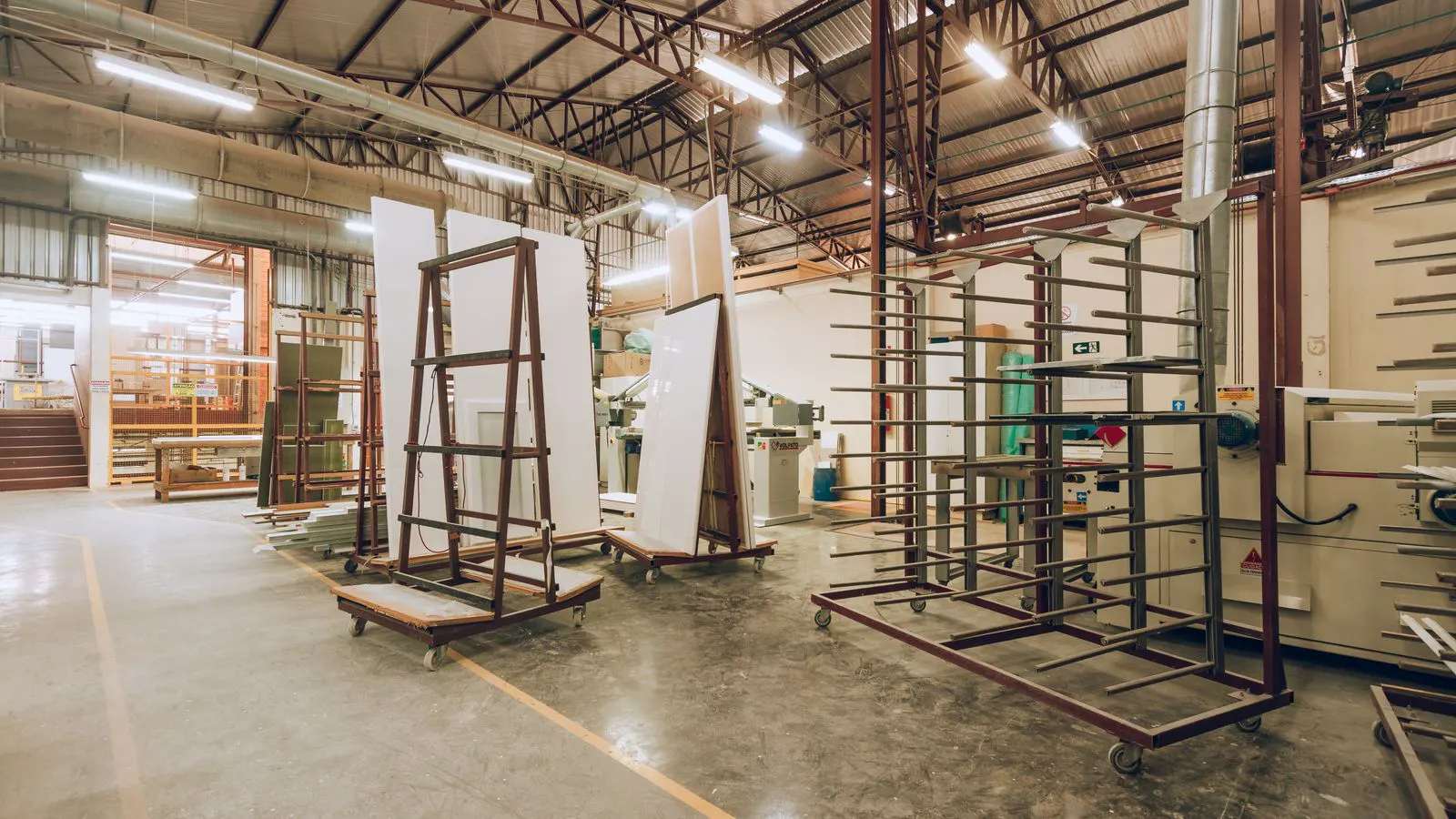
Importing edge banding machines involves calculating equipment cost, shipping, duties, and installation. Lead time depends on production schedules and logistics. A
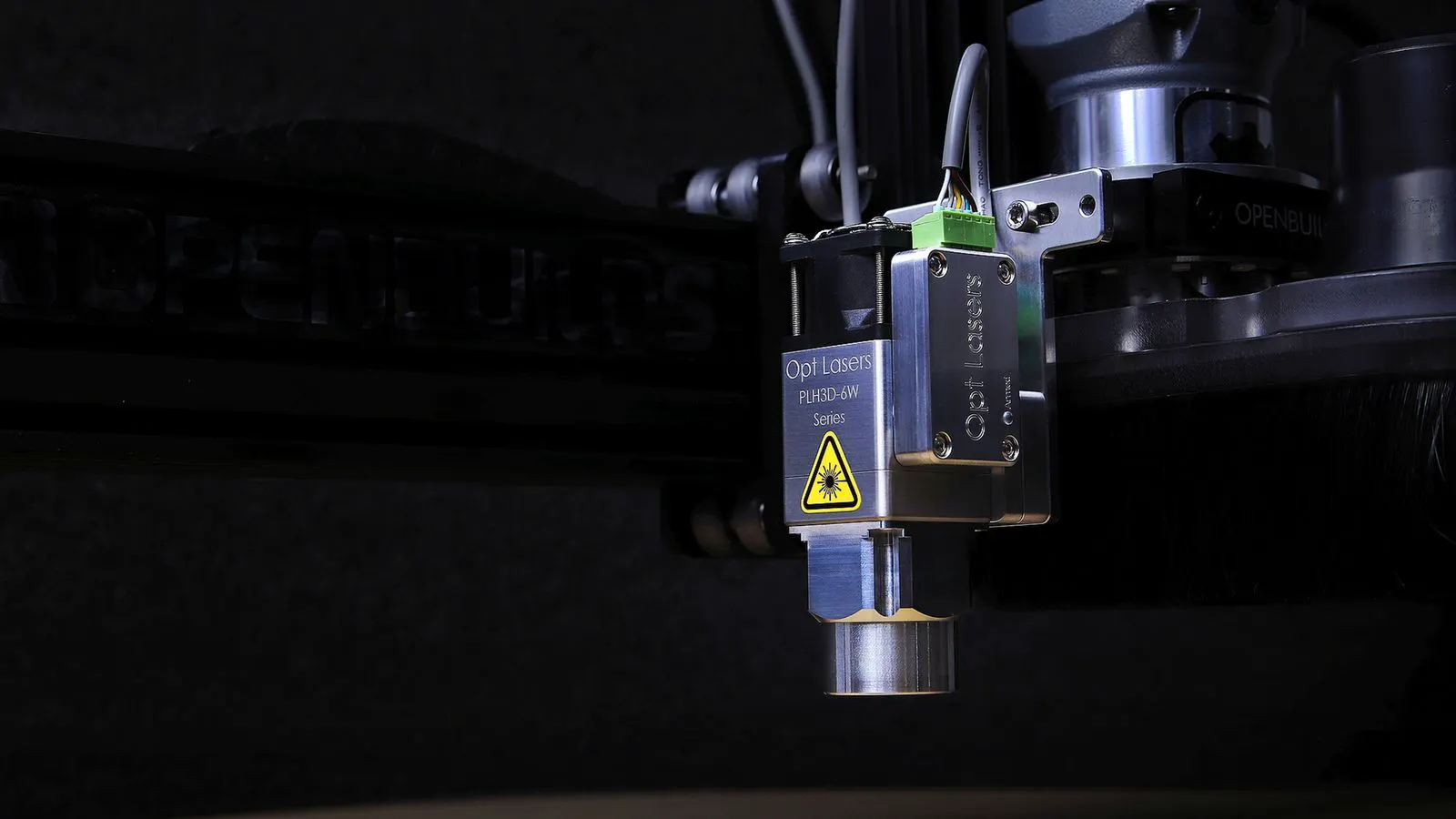
Wireless safety interlocks will reduce wiring complexity and improve fault detection in woodworking machine safety. Engineers should plan for five major shifts: sensor

Choosing imported woodworking machines means accepting longer lead times and higher service complexity in exchange for specific features and lower upfront costs. Local
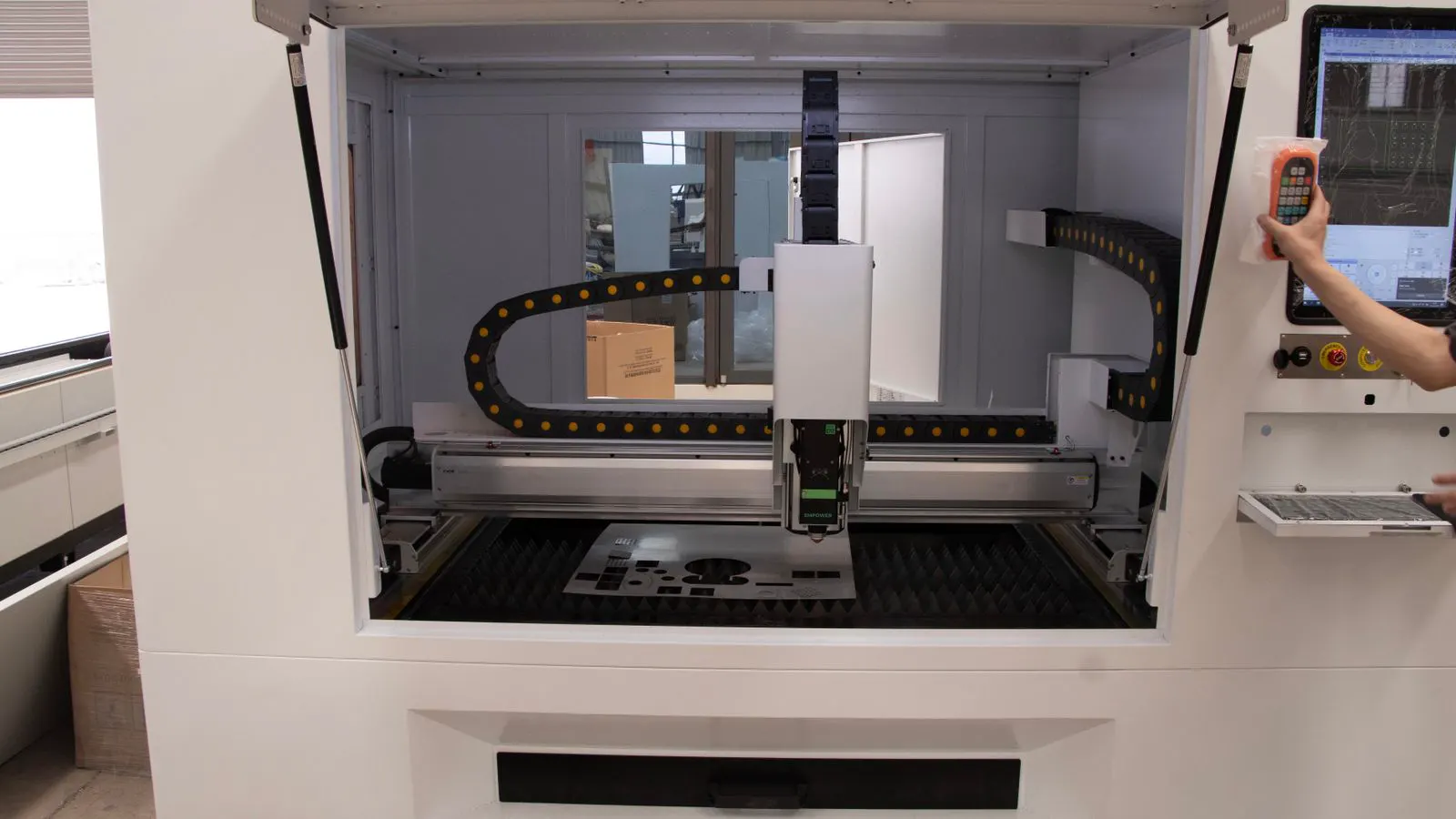
AI shifts cnc spindle upkeep from reactive repair to predictive monitoring. This outlook details how vibration, thermal, and acoustic data will reduce unplanned downtime
A panel saw is built for long, straight cuts on full sheets of material. It uses a fixed table and a sliding fence. A table saw is designed for crosscuts, rip cuts, and shorter pieces. It uses a rotating blade and an adjustable fence. The choice depends on the size of the material and the type of cut required.
Check the stated repeatability, which is the distance the machine can return to the same point after multiple cycles. Verify the spindle speed range and the maximum bit diameter. Also ask about the control system, tool changer capacity, and the type of workholding. Accuracy claims should be confirmed with test cuts on the specific material.
The quality of the heated glue pot and the consistency of the adhesive application are critical. The wear of the feed rollers and the alignment of the clamps also matter. Regular cleaning of the glue pot and inspection of the trim blades extend the machine's service life. The type of banding material and the thickness of the panel edge influence the mechanical stress on the system.
Calculate the total air volume needed based on the number of machines and their dust generation. Consider the duct diameter, length, and number of elbows. A larger duct reduces pressure drop and allows the system to handle multiple tools. The system should be sized to meet the local regulations for airborne particulate levels.
Look for compliance with local machine safety regulations. Check for protective guards on blades and spindles. Verify that the machine has an emergency stop that cuts power to the main components. Ensure the electrical wiring is rated for the machine's power consumption and that the machine is grounded.
The cost is split between the machine frame, the spindle, the control system, and the tool changer. A higher spindle power and a larger work area increase the price. The control software and the level of automation also affect the total. Buyers should compare the price per meter of processed material, not just the initial purchase price.