A panel saw price depends on blade quality, motor power, and shipping routes. This guide breaks down the main cost drivers so buyers can compare quotes fairly and plan lead times.
- Blade quality and motor power are the two largest variables in panel saw pricing.
- Import timing and shipping routes can add significant cost and delay to the purchase.
- A clear RFQ with specific technical parameters ensures fair comparison between suppliers.
- Compare total cost of ownership, not just the initial purchase price.
What Drives the Base Price of a Panel Saw
The base price of a panel saw is set by the core mechanical components. The frame, the saw head, and the motor determine the fundamental cost. Buyers often focus on the blade, but the structure and drive system usually account for the largest share of the invoice. A heavy steel frame costs more to manufacture than an aluminum one, but it offers better rigidity for long cuts. The motor power rating directly affects the machine’s speed and torque. A higher horsepower motor increases the price, but it also reduces cycle time and wear on the drive system.
The frame material choice is not just about weight. Steel frames, typically made from welded plate or channel sections, absorb vibration during the cutting cycle. This stability keeps the blade true, reducing kerf drift and improving the quality of the cut face. Aluminum frames are lighter and cheaper to produce, but they can flex under load if the design is not optimized. For a machine that cuts dense hardwood panels daily, that flex translates into rougher edges and more frequent blade wear.
The saw head assembly is another major cost center. It includes the bearing housing, the motor mount, and the feed mechanism. A head with a larger bearing diameter supports the blade at higher speeds without excessive heat. The feed system, whether manual, semi-automatic, or fully automated, adds significant cost. Manual heads are the most affordable. Automated heads with digital controls and sensor feedback cost more but offer repeatable accuracy. The cost of the head is often the single largest line item after the frame.
The motor itself is a complex unit. It is not just a power source. It is the interface between the electrical supply and the mechanical load. The type of motor, the insulation class, and the cooling method all affect the price. A motor with a higher insulation class can run hotter and for longer periods without derating. This is useful in high-humidity environments or on production lines that run continuously. The motor housing must be robust enough to withstand the forces generated during the cut. A thin housing may dent or crack, leading to alignment issues that ruin the blade.
How Blade Selection Affects the Total Cost
The circular saw blade is a recurring cost item. A basic carbide-tipped blade is affordable, but it wears out faster on dense hardwoods or particleboard. Premium blades with more teeth or specialized coatings last longer, but the upfront cost is higher. For a panel saw used in high-volume production, the cost per cut matters more than the blade price tag. A more expensive blade that lasts four times longer can lower the total cost of ownership. The blade diameter and thickness also affect the price and the machine’s compatibility. A larger blade requires a stronger motor and a heavier frame, which raises the base machine cost.
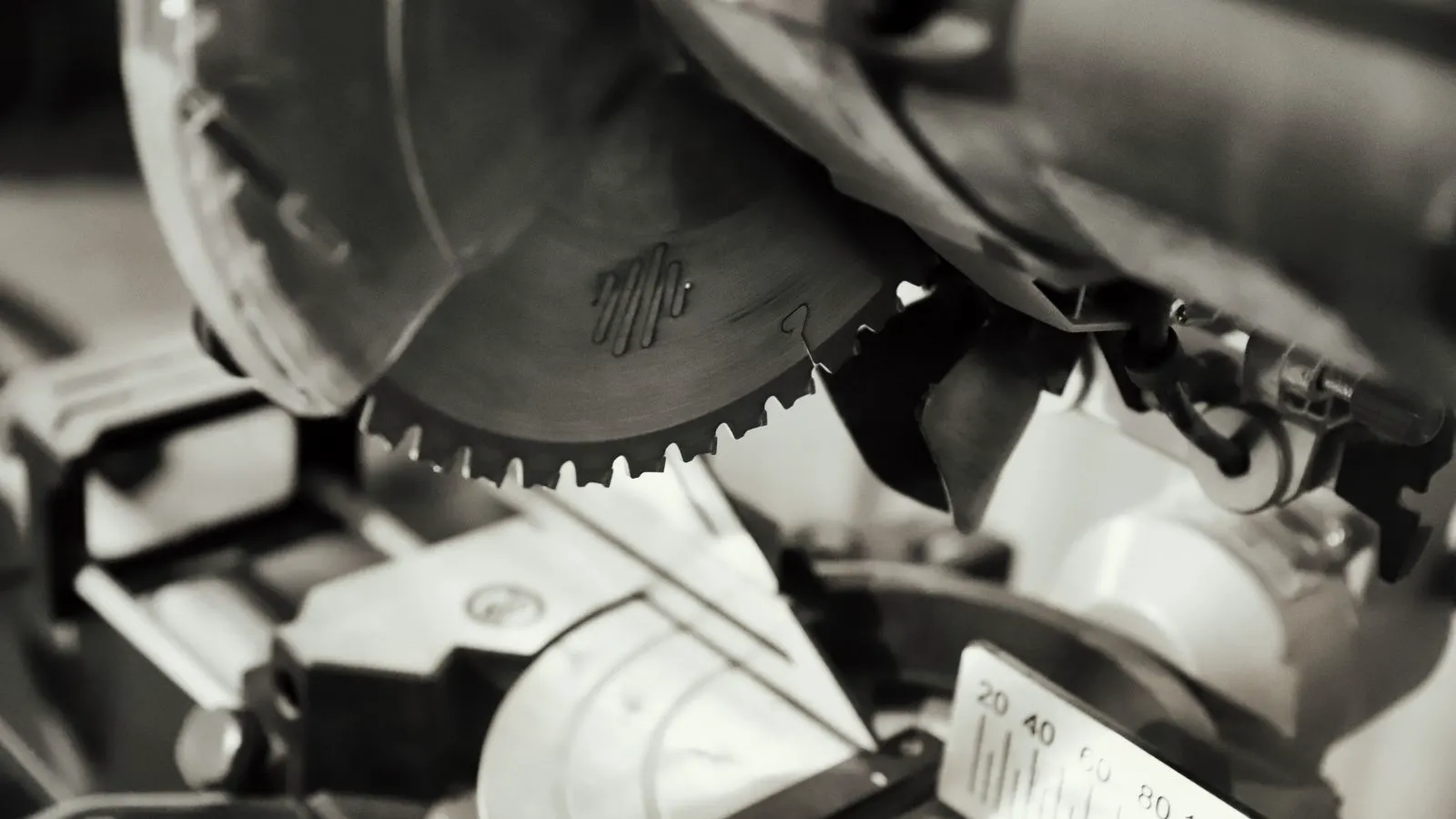
Blade geometry is a critical factor in performance. The number of teeth determines the cut quality. A blade with fewer teeth, such as a 20-tooth blade, cuts faster but leaves a rougher surface. This is acceptable for rough cuts or when the panel will be sanded or painted. A blade with more teeth, such as a 60-tooth blade, produces a smoother edge but requires more power and generates more heat. If the motor is undersized for the blade, the cut will stall or the blade will burn.
The coating on the blade tips also matters. Standard carbide tips are durable but can chip if they hit a hidden nail or a hard spot in the panel. Coated tips, such as diamond-coated or titanium-nitride coated, resist wear longer. They are more expensive to buy but can last twice as long in abrasive applications like particleboard or MDF. For a machine that cuts a mix of materials, a blade with a variable tooth profile may offer a better balance. It cuts softwoods efficiently but handles hardwoods without chipping.
The thickness of the blade also influences the cost and the machine’s behavior. A thicker blade, such as a 5mm blade, is stiffer and holds its shape better. It is used for cutting very thick materials or for applications where precision is critical. A thinner blade, such as a 3mm blade, cuts faster and generates less heat, but it can wander if the machine is not rigid enough. The buyer must ensure the machine’s arbor and bearing housing are compatible with the chosen blade thickness. A mismatch can cause vibration, which accelerates wear on both the blade and the machine.
Motor Power and Speed Trade-Offs
The motor is the heart of the cutting machine. A standard induction motor is reliable and easy to maintain. A high-speed motor can cut faster but may require more frequent bearing maintenance. The power rating must match the intended material. Cutting softwood at low speed wastes motor capacity. Cutting dense hardwood at high speed can overheat the motor. Selecting the right motor power is a balance between cost and efficiency. An undersized motor increases cycle time and stresses the drive system. An oversized motor adds unnecessary cost to the purchase.
The power rating of the motor is not the only factor. The torque curve matters. A motor with high torque at low RPM can cut dense materials more effectively than a motor with the same peak power but lower torque. The speed of the motor also affects the blade’s RPM. A standard 1450 RPM motor is common for induction motors. A 2900 RPM motor is faster but puts more stress on the bearings. The buyer must consider the duty cycle. If the machine will run for 10 hours a day, the motor must be rated for continuous duty. If it will run for 2 hours a day, a motor rated for intermittent duty may be sufficient.
The cooling method of the motor is also a cost driver. Fan-cooled motors are standard. Water-cooled or oil-cooled motors are more expensive but can run in harsher environments. They are useful in dusty environments or where the motor is enclosed. The cooling system must be matched to the ambient temperature. In a hot workshop, a motor that is adequate in a cool environment may overheat. The buyer should ask for the thermal rating of the motor, not just the power rating. This ensures the motor will not trip its thermal overload during extended use.
The start-up current of the motor is another consideration. A large motor draws a high current when it starts. This can cause voltage drops in the electrical supply, which may affect other equipment on the same circuit. The buyer must ensure the electrical supply can handle the inrush current. A soft starter or a variable frequency drive can mitigate this, but it adds cost. The drive system must be compatible with the motor. A mismatched drive can damage the motor or reduce its efficiency.
Import Timing and Shipping Variables
Lead time is often more important than price for industrial buyers. Shipping routes, port congestion, and customs clearance affect delivery dates. A machine ordered during a peak season may wait longer for a shipping slot. The port of destination also matters. A machine arriving at a congested port incurs higher demurrage fees. Buyers should build buffer time into their procurement plan. The cost of shipping is usually quoted separately from the machine price. Freight rates fluctuate based on fuel costs and global demand. A quote that looks competitive may become expensive if the shipping cost is high.
The mode of transport is a significant factor. Sea freight is the most common for large panel saws. It is cheaper than air freight but takes weeks. The container size must fit the machine. A large panel saw may require a 40-foot container, which costs more than a 20-foot container. The machine must be packed properly to prevent damage during transit. Crating, padding, and securing are essential. A poorly packed machine can be damaged in transit, leading to costly repairs and delays.
The route of the shipping line also matters. Some routes are direct. Others involve transshipment, where the container is unloaded at an intermediate port and loaded onto another vessel. Transshipment adds time and the risk of damage. The buyer should ask for the estimated transit time, not just the shipping cost. A direct route may be more expensive but faster. An indirect route may be cheaper but slower. The buyer must weigh the cost against the need for the machine.
Customs clearance is a critical step. The documentation must be accurate. A missing or incorrect document can delay the release of the machine. The buyer should prepare the commercial invoice, packing list, bill of lading, and certificate of origin in advance. The customs broker should be engaged early. The duty rate depends on the country of origin and the type of machine. The buyer should check the duty rate before placing the order. A high duty rate can significantly increase the landed cost.
How to Write a Clear RFQ
A Request for Quotation (RFQ) should specify the exact requirements. Vague requests lead to vague quotes. List the blade diameter, motor power, and frame material. Specify the maximum cut width and depth. Include the expected production volume and material types. Ask for a breakdown of the price by component. A clear RFQ allows suppliers to give comparable quotes. It also reduces the risk of receiving a machine that does not fit the production line. The RFQ should also include the desired delivery date and the port of destination. This helps suppliers calculate the total landed cost accurately.
The RFQ should also include the electrical requirements. The voltage, frequency, and phase of the power supply must be specified. A machine designed for 400V three-phase power cannot be used with a 230V single-phase supply without modification. The buyer should also specify the control system. A manual control panel is cheaper than a digital control panel. The digital panel may include features like digital readouts, preset cuts, and safety interlocks. The buyer should list the required features.
The delivery terms should be clear. Incoterms, such as FOB or CIF, define who is responsible for shipping and insurance. The buyer should specify the Incoterm to avoid confusion. The delivery terms also affect the cost. A CIF delivery includes the cost of shipping and insurance, while a FOB delivery does not. The buyer should ask for the total landed cost, including all fees and duties. This makes it easier to compare quotes.
The RFQ should also include the warranty and service terms. The length of the warranty, the coverage, and the response time for service are important. The buyer should ask for the warranty terms in writing. The warranty should cover the motor, the frame, and the electrical components. The service terms should include the availability of spare parts and the cost of maintenance. The buyer should ask for a list of common spare parts and their costs.
Comparing Quotes Fairly
Do not compare the machine price alone. Compare the total cost of ownership. Add the shipping, customs, and installation costs. Look at the warranty terms and service support. A cheaper machine with poor support may cost more in the long run. Ask for the expected maintenance interval and the cost of replacement parts. Compare the blade compatibility across different machines. A proprietary blade may cost more than a standard one. A fair comparison requires the same technical specifications for every quote. Use a spreadsheet to list each cost item side by side. This makes it easier to identify where one quote is higher or lower.
The total cost of ownership includes the cost of energy. A more efficient motor consumes less electricity. Over several years, this can save significant money. The buyer should ask for the power consumption of the motor under load. A motor with a high efficiency rating is more expensive but saves on energy costs. The cost of maintenance also varies. A machine with a simple design may be cheaper to maintain than a machine with a complex control system. The buyer should ask for the maintenance schedule and the cost of parts.
The resale value of the machine is another factor. A machine from a reputable brand may hold its value better than a machine from a lesser-known brand. The buyer should consider the brand reputation and the availability of parts. A machine that is easy to repair and maintain will have a higher resale value. The buyer should ask for references from other users of the machine. This can provide insight into the quality and reliability of the machine.
The installation cost should also be considered. The machine may require a foundation, a power connection, and a space in the factory. The buyer should budget for the installation. A poorly installed machine may not perform well. The installation should be done by a qualified technician. The buyer should ask the supplier if they provide installation services. If not, the buyer should find a local installer. The cost of installation can vary significantly.
Planning for Maintenance and Service
The panel saw requires regular maintenance to keep cutting accuracy. The blade must be checked for wear and replaced when dull. The motor bearings need lubrication according to the manufacturer’s schedule. The frame bolts should be checked for tightness. The electrical connections should be inspected for wear. A preventive maintenance plan reduces downtime. It also extends the life of the machine. Buyers should ask suppliers about the availability of spare parts. If parts are hard to find, the machine may sit idle when a failure occurs. The cost of maintenance is a recurring expense that should be budgeted.
The maintenance schedule should be based on the usage of the machine. A machine that runs 24 hours a day requires more frequent maintenance than a machine that runs 8 hours a day. The blade should be checked after each shift. The blade should be replaced when it becomes dull. The motor bearings should be lubricated monthly. The frame bolts should be checked quarterly. The electrical connections should be inspected annually.
The training of the maintenance staff is also important. The staff must be trained to perform the maintenance tasks. They should know how to check the blade, lubricate the bearings, and tighten the bolts. They should also know how to troubleshoot common problems. The supplier should provide training to the maintenance staff. The training should include the operation of the machine and the maintenance procedures.
The availability of spare parts is critical. The buyer should ask for a list of common spare parts. The parts should be available locally or within a short lead time. If parts are hard to find, the machine may sit idle when a failure occurs. The buyer should ask for the lead time for each part. The buyer should also ask for the cost of each part. This helps in budgeting for maintenance.
Common Mistakes in Purchasing
Buyers often focus on the lowest price without checking the total cost. A cheap machine may have weak materials that fail quickly. They may not specify the blade type in the RFQ. This leads to a machine that is not suited for the intended material. Some buyers ignore the shipping cost. The freight can be a significant portion of the total cost. Others do not build buffer time into the delivery plan. A delay in one stage can stop the entire production line. A careful review of the quote and a clear understanding of the lead time prevent these problems.
The buyer should also avoid buying a machine that is oversized. An oversized machine may be more expensive than needed. It may also consume more energy. The buyer should match the machine to the production needs. A machine that is too large for the job is a waste of money. The buyer should also avoid buying a machine that is too small. An undersized machine may not be able to handle the production load. It may overheat and fail.
The buyer should also check the quality of the materials. A cheap machine may use low-quality steel or plastic. These materials may not last. The buyer should ask for the material specifications. The buyer should also ask for the quality control process. The machine should be tested before shipment. The buyer should ask for a test report.
Final Thoughts for Buyers
A panel saw is a long-term investment. The cost is determined by the quality of the components and the logistics of delivery. The blade and motor are the main drivers of the initial price. Import timing and shipping routes affect the total cost and the delivery date. A clear RFQ and a fair comparison of quotes help buyers make an informed decision. The goal is to find a machine that fits the production needs and stays within the budget. The total cost of ownership is more important than the purchase price. A well-chosen panel saw reduces waste and increases efficiency.
Frequently asked questions
What is the biggest factor in panel saw cost?
The motor power and frame material are the largest cost drivers. The blade type also affects the total cost over time.
How long does it take to deliver a panel saw?
Delivery time depends on the shipping route and customs clearance. Buyers should build buffer time into their plan.
Can I compare quotes from different suppliers fairly?
Yes, by using a standard RFQ and comparing the total cost of ownership. Include shipping, customs, and maintenance costs.
What should I include in my RFQ?
Specify the blade diameter, motor power, frame material, and maximum cut size. Also list the delivery date and port.
How do I reduce the cost of a panel saw?
Choose a standard blade type and a standard frame material. Avoid unnecessary features that increase the base price.