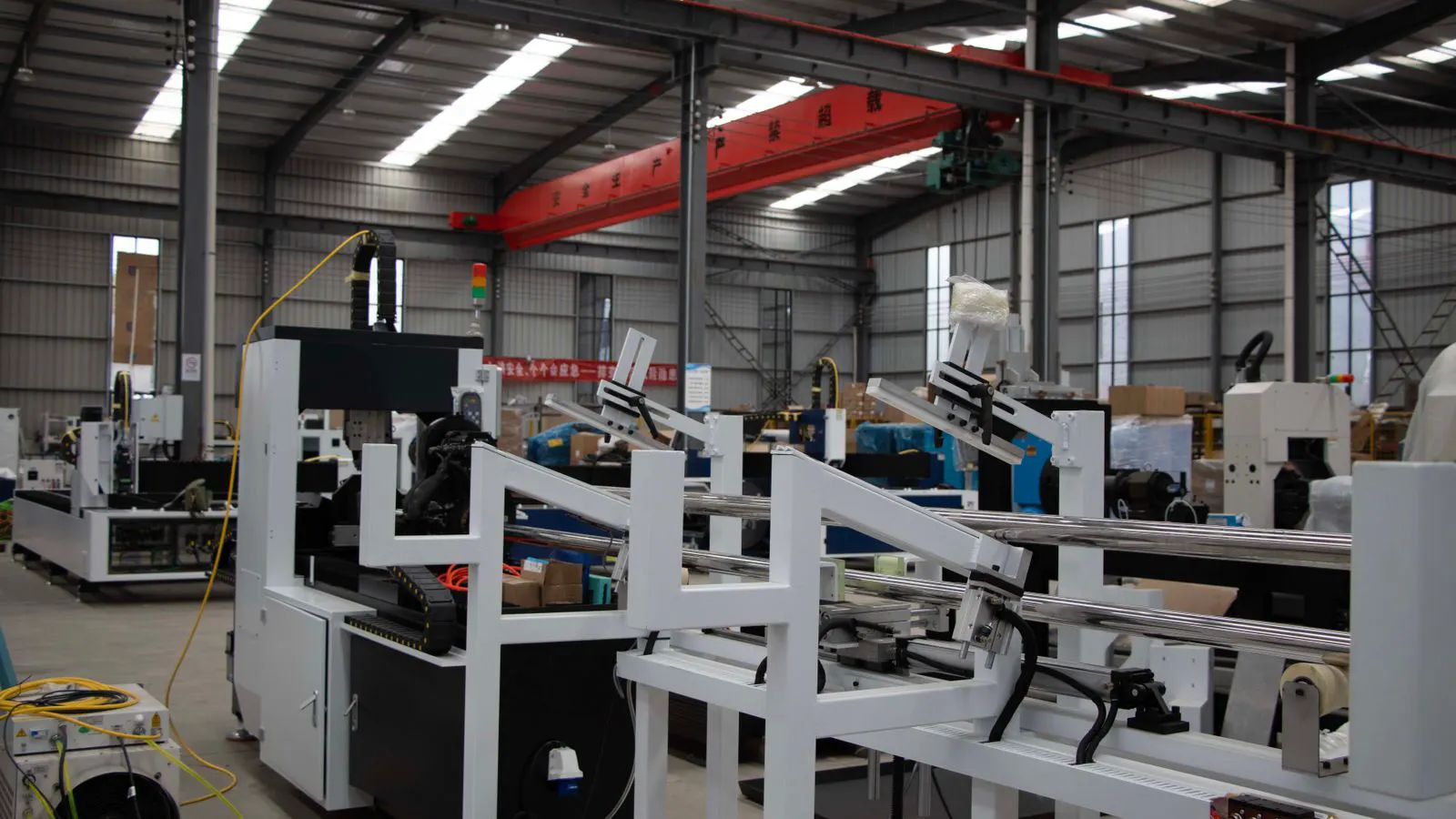
Before signing, verify coverage scope, response times, parts availability, and liability limits. This checklist highlights common exclusions and gaps that affect long-term machine uptime and total cost of ownership.
- Confirm that the warranty covers labor and parts, not just the main frame.
- Check response time commitments and who pays for travel or on-site labor.
- Review exclusions for consumables, operator error, and environmental factors.
- Verify that extended coverage can be purchased without voiding the original terms.
- Keep all service records and proof of purchase to support claims later.
What coverage does the machine warranty actually include
Start with the scope. A standard machine warranty should name the specific components covered. Many contracts list the spindle, control cabinet, and main structural frame, but leave out bearings, belts, and hydraulic seals.
Ask the supplier to list every item by part number. If the document uses broad language like “all mechanical parts,” ask for a written definition. Vague terms create disputes during repair.
Check if the warranty covers both parts and labor. Some suppliers replace the defective part but charge the buyer for the technician’s time. Others cover both but limit the number of service visits per year.
How quickly must the supplier respond to a claim
Uptime matters. A machine that stops for two weeks costs more in lost production than the cost of a spare part. The warranty should state a maximum response time.
Look for two distinct numbers. One is the time to diagnose the fault. The other is the time to replace the part. A 24-hour diagnosis window is common for major suppliers. Replacement times vary by part availability.
If the machine is in a remote location, confirm who pays for travel. Some warranties cover on-site labor only if a local dealer is within a certain radius. If no dealer exists, the supplier may send a mobile technician, and that fee may be excluded.
Which parts and consumables are excluded
Read the exclusion list carefully. Most machine warranties exclude wear items. Belts, brushes, gaskets, and cutting tools are consumables. They degrade with use, not with a manufacturing defect.
Check if the warranty covers failure caused by normal wear. If the spindle bearing seizes after six months of heavy use, is that a defect or wear? The contract should define the expected service life of bearings, seals, and lubrication points.
Environmental exclusions are common. Moisture, dust, and temperature extremes can void coverage. If your facility has high humidity, ask how the warranty handles corrosion. Some suppliers limit coverage to indoor use with specific HVAC conditions.
Who performs the repair and who pays for it
Clarify the service channel. The supplier may require you to use an authorized dealer. If you call the manufacturer directly, they may charge a premium for out-of-network service.
Ask if the supplier provides a spare parts kit. Some warranties include a set of critical spares. If a part is unavailable, the supplier may ship it from a central warehouse. The transit time can add days to downtime.
If the fault is not covered, the warranty should state the cost structure. Hourly rates for labor and a markup on parts should be listed. Without this, the supplier can quote any price after the fact.
What happens if the machine does not meet spec
The warranty should reference the technical specification sheet. If the machine fails to meet the stated tolerance, the supplier must have a clear remedy. The remedy is usually repair or replacement, not a credit note.
Define the testing procedure. How will the machine be measured? Who performs the test? If the supplier sends a technician, that technician should be authorized to certify the repair.
If the machine is returned to the factory, who pays for shipping and reinstallation? Some contracts require the buyer to cover outbound freight. Others cover both directions if the defect is confirmed.
How long does the machine warranty last and can it be extended
Check the start date. Does the warranty begin on the purchase date, the delivery date, or the date of first commissioning? Commissioning is the standard. It allows time for setup and initial testing.
Ask if the warranty can be extended. Some suppliers sell extended coverage for the same period as the base warranty. Others limit extensions to one year.
If you buy a service contract, confirm it does not void the original warranty. A third-party service provider may void coverage if the supplier does not approve their work. Read the clause that addresses third-party maintenance.
What documentation is required to file a claim
Keep the purchase order, delivery note, and commissioning report. The warranty claim usually requires proof of ownership and a serial number. If the machine is moved, notify the supplier. Some warranties void coverage if the location changes without approval.
Keep a log of every service visit. Note the date, the technician, the part replaced, and the invoice number. If a part fails again, the log helps prove the original repair was done correctly.
If the supplier denies a claim, you need the original specification sheet and the test results. Store these documents in a digital folder. Paper copies can be lost. Digital copies are easier to reference during a dispute.
How to verify the supplier’s ability to honor the warranty
A warranty is only as good as the supplier’s financial stability. Check how long the supplier has been in business. A supplier that goes bankrupt after two years leaves you without parts or support.
Ask about the spare parts inventory. If the supplier keeps critical parts in stock, response times improve. If parts are ordered from a third-party manufacturer, lead times are longer.
Look for independent service options. If the supplier fails, can a local machine shop repair the machine? Some suppliers restrict service to their own technicians. This reduces your options if the supplier withdraws from the market.
Common red flags to watch for
The table below lists typical clauses that buyers often miss. Review each item before signing.
| Clause | Risk | What to ask for |
|---|---|---|
| “Mechanical parts only” | Excludes electronics and controls | List of covered control components |
| “No wear items” | No clarity on bearing life | Expected service life for bearings |
| “Local dealer required” | High travel costs in remote areas | Travel fee schedule and radius |
| “Buyer pays shipping” | High cost for factory returns | Confirmation of return freight coverage |
| “Void if third-party work” | Limits your service options | Approval process for independent service |
Final verification steps
Walk through the document one last time. Sign only when every ambiguity is resolved in writing. If a clause is unclear, ask the supplier to rewrite it. Do not rely on verbal promises.
Keep a copy of the signed warranty. Store it with the machine manual. Share it with your maintenance team. If the machine is sold or rented, the warranty terms must transfer. Confirm transferability in the contract.
Review the warranty annually. As parts wear, your risk profile changes. If you add new processes or change materials, the exclusion list may need updating. Keep the supplier informed of any major changes to the machine’s operating environment.
Frequently asked questions
Does the machine warranty cover the operator's mistakes?
No. Most warranties exclude damage caused by operator error, such as incorrect tool setup or exceeding the machine's rated speed.
Can I buy a service contract instead of a warranty?
Yes, but a service contract usually covers labor and maintenance, not manufacturing defects. A warranty covers defects. You can have both, but check for conflicts in the terms.
What if the machine is repaired by an independent technician?
Some warranties are void if the repair is not done by an authorized dealer. Read the third-party work clause before allowing an independent service provider to touch the machine.
How long do I have to report a defect?
The contract should state a reporting window. Some warranties require you to report a fault within a set number of days after discovery. Check this limit carefully.
Does the warranty cover software updates?
Usually no. Software updates are often separate from the hardware warranty. Ask if the supplier provides free updates during the warranty period or if they are sold separately.


