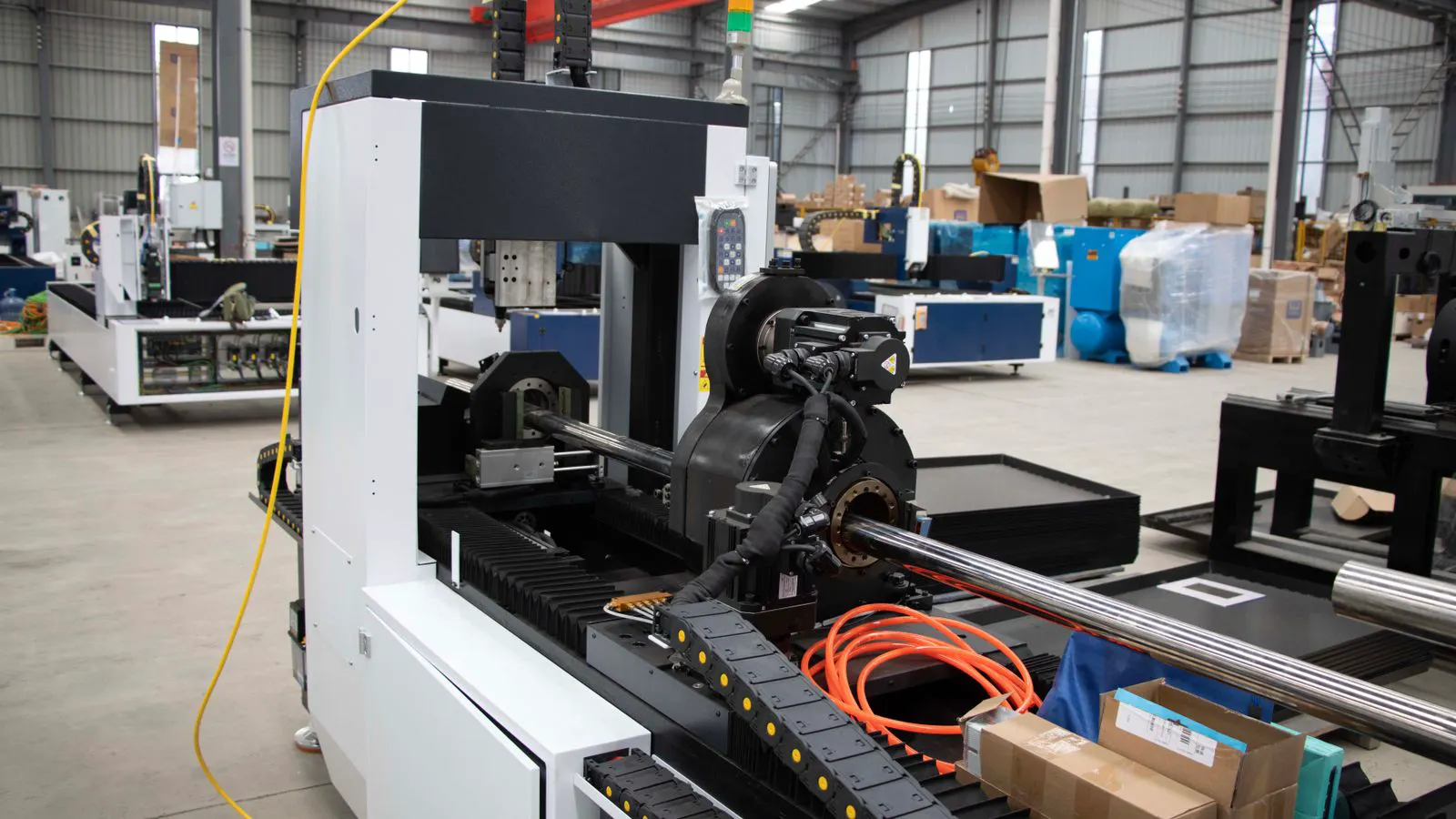
A CNC router warranty covers specific failures, parts, and labor periods. Verify the equipment warranty scope, supplier contract response times, and machine support availability. Read the fine print on consumables, software, and downtime coverage before committing to a purchase.
- Confirm what the CNC router warranty covers, including parts, labor, and specific components like spindles and control systems.
- Review the equipment warranty duration and any exclusions for consumables, software, or misuse.
- Check supplier contract terms for machine support response times, remote diagnostics, and on-site service.
- Verify the warranty transferability and documentation requirements for future maintenance.
What Does a CNC Router Warranty Actually Cover
A CNC router warranty is a promise, but the promise has limits. The manufacturer states what they will fix, for how long, and under what conditions. You need to read the full document, not just the headline. A basic warranty might cover the main frame and cabinet. A stronger one might include the spindle, axis drives, control cabinet, and software.
The first thing to check is the list of covered components. Look for the spindle motor, ball screws, linear ways, control unit, and operator interface. Some warranties exclude wear items like belts, brushes, or filters. Others exclude software updates or operating system licenses. If the control cabinet is not covered, a failure there can become a major repair.
Labor is the other half of the warranty. Replacing a part is cheap. Getting a technician to your shop is expensive. The warranty should state whether labor is included with parts. If labor is excluded, you pay for both the component and the visit. That changes the math significantly.
How to Read the Equipment Warranty Period
The equipment warranty period is usually stated in months or years from the date of installation. Some suppliers use the date of purchase. The difference matters. If installation takes three months, the warranty clock may start later. Confirm the exact start date in the supplier contract.
Typical periods range from one to three years. A one-year warranty is common for standard machines. Three years is often offered for higher-end systems or when the supplier wants to demonstrate confidence in the build quality. A longer period does not always mean better coverage. A one-year warranty with full parts and labor can be better than a three-year warranty that only covers parts.
Check the renewal options. Some suppliers offer extended coverage for an extra cost. Others require you to sign a maintenance agreement to keep the warranty active. Read the fine print on what voids the coverage. Common exclusions include unauthorized repairs, use of non-OEM parts, or failure to perform scheduled maintenance.
Supplier Contract Clauses That Protect You
The supplier contract is where the warranty lives in practice. It defines how you request service, what happens when a machine stops, and who bears the cost of downtime. Do not rely only on the warranty sheet. The contract sets the operational rules.
Look for the machine support response time clause. It should state how quickly the supplier answers a call, how fast they diagnose the issue remotely, and when they send a technician. A standard expectation is a response within one business day for urgent faults. If the contract is vague, ask for specific numbers.
The contract should also cover spare parts availability. Ask about the lead time for critical components. If a ball screw is out of stock, how long do you wait? A supplier who keeps critical spares in a local warehouse can reduce your downtime. One who orders everything from a distant plant will not.
Machine Support Beyond the Warranty Period
After the equipment warranty expires, you are on your own, or you are on a paid support plan. Decide which you want before you sign. A machine that is ten years old still needs maintenance. The support plan determines whether you have a reliable path to keep it running.
Look for options that include remote diagnostics, software updates, and periodic inspections. Some suppliers offer annual service visits that clean the machine, check the axes, and test the control system. This prevents small issues from becoming big failures. It also keeps you in the supplier’s good books for future purchases.
If you buy from a third-party dealer, the support terms can differ from the manufacturer. The dealer may handle first-line support but pass major repairs to the factory. Read the comparison between OEM support and third-party dealers to understand who is responsible for what.
Common Mistakes in Warranty Review
Buyers often miss small details that hurt them later. One common mistake is assuming that “full coverage” means everything is included. It rarely does. The term is marketing, not legal language. Read the exclusion list.
Another mistake is ignoring the warranty claim process. Who do you call? Do you need a work order number? Is there a fee for the initial diagnosis? If the process is slow, a small fault can become a long shutdown. Ask for a sample claim form before you sign.
Some buyers forget to document the machine’s condition on arrival. If the cabinet is dented or a cable is frayed, take photos. If you do not document it, the supplier can deny a claim later. A clean delivery inspection protects your warranty rights.
Criteria for Verifying Warranty Terms
| Criterion | What to look for | Why it matters |
|---|---|---|
| Component Coverage | List of covered parts like spindle, axes, control cabinet | Determines the scope of free repairs and prevents surprise costs |
| Labor Inclusion | Whether labor is included with parts | Reduces total repair cost and speeds up machine return to operation |
| Response Time | Specific hours or days for remote diagnosis and on-site service | Minimizes production downtime when a fault occurs |
| Exclusions | Clear list of non-covered items and conditions | Prevents disputes during claim processing |
| Renewal Options | Extended warranty or maintenance plan details | Provides a clear path for support after the initial period ends |
| Claim Process | Steps for reporting faults and obtaining service | Ensures smooth interaction with the support team |
A Checklist Before You Sign
Before you sign the supplier contract, run through this list.
- Confirm the exact start date and duration of the equipment warranty.
- Verify which components are covered, including the spindle and control system.
- Check if labor is included with parts for all covered components.
- Review the machine support response times for urgent and non-urgent faults.
- Ask about spare parts availability and lead times for critical items.
- Read the exclusion list carefully for consumables and software.
- Confirm the warranty claim process and required documentation.
- Ask about extended warranty or maintenance plan options.
- Check if the warranty is transferable if you sell or move the machine.
- Ensure the supplier contract matches the warranty document in all details.
Frequently asked questions
Does a CNC router warranty cover software updates?
Usually not. Software updates and operating system licenses are often excluded from the equipment warranty. Check the contract to see if any software support is included.
What if I need a part that is not in stock?
The supplier should state the lead time for critical parts in the contract. If the part is out of stock, the warranty may still cover the part and labor, but you will face a delay in repair.
Can I use third-party parts without losing warranty?
Often, yes, but not always. Some suppliers require OEM parts to keep the warranty valid. Read the exclusion list to see if non-OEM parts void the coverage.
How do I know if the warranty is worth it?
Compare the cost of the warranty to the cost of the machine. A longer warranty with full labor coverage is usually worth more than a short one. Also consider your production value and how much downtime you can afford.
What happens if the machine breaks after the warranty expires?
You pay for repairs unless you have a maintenance agreement. A paid support plan can provide access to parts and labor at a fixed rate.


