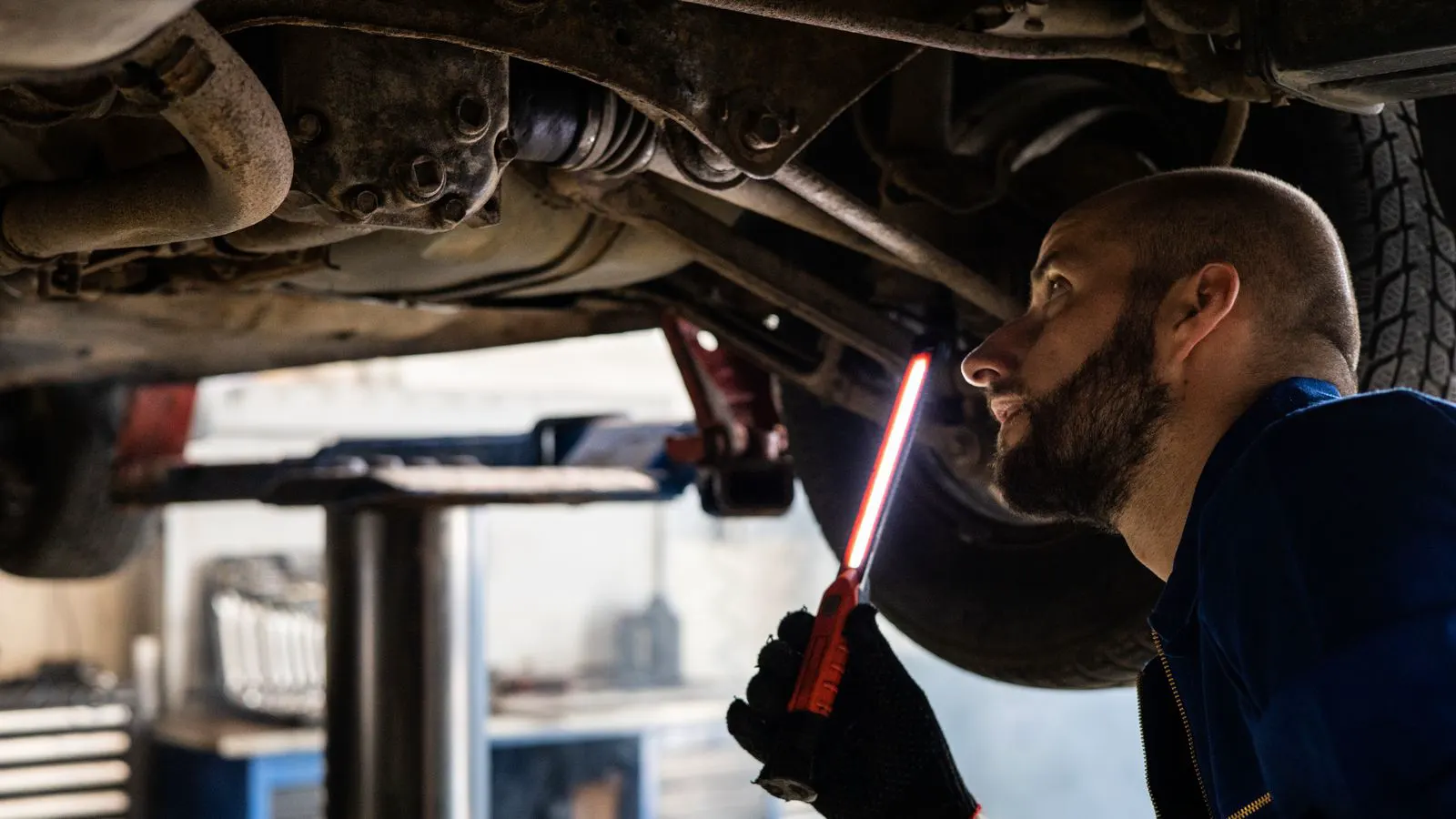
OEM support offers direct access to manufacturer expertise and genuine parts, but third-party service can lower costs and reduce lead times for common failures. The right choice depends on your machine age, complexity, local dealer network, and tolerance for downtime.
- OEM support is best for high-value, complex machines where downtime is expensive and manufacturer-specific diagnostics are required.
- Third-party service works well for older, simpler equipment or when local response times beat manufacturer logistics.
- A mixed strategy, using OEM for critical components and third-party for routine service, often balances cost and uptime.
- Supplier evaluation must include parts availability, emergency response, and technical documentation access, not just price.
Why the Support Model Affects Your Operating Costs
Long after the machine leaves the factory, support determines whether woodworking machinery remains a productive asset or a source of recurring downtime. The decision between OEM support and third-party service is not just a budgeting question. It shapes your maintenance costs, your technical capacity, and your ability to keep the production line running.
OEM support means you rely on the original manufacturer or its authorized dealer network for parts, diagnostics, and repair. Third-party service means you hire an independent technician or a regional service provider to maintain and repair the equipment. Both models have strong advocates in the woodworking industry, but neither fits every shop.
The right choice depends on several factors. Machine complexity, age, local dealer availability, and your internal technical staff all matter. A small operation with a single CNC router may benefit from a third-party provider who can respond within hours. A large furniture plant with a multi-axis router and a dedicated maintenance team may prefer the structured support of the manufacturer.
How Each Model Works in Practice
OEM support typically follows a direct chain. You contact the manufacturer or its authorized representative. They dispatch a technician, order genuine parts, and provide service under the manufacturer’s standards. The manufacturer controls the parts supply and the technical documentation. This structure ensures that repairs follow the design intent, but it also introduces dependence on the manufacturer’s logistics and schedule.
Third-party service operates differently. An independent provider may service multiple brands or focus on a specific category of woodworking machinery. They may use genuine or equivalent parts, depending on availability and compatibility. The provider’s strength comes from local presence and flexibility. They can often respond faster because they are not bound by a manufacturer’s regional service zone.
The table below compares the two approaches, plus a hybrid option that many shops adopt over time.
| Option | Best for | Limitations |
|---|---|---|
| OEM support | High-value, complex machines; warranty periods; critical production lines | Higher parts costs; longer lead times if the manufacturer is distant; limited flexibility in scheduling |
| Third-party service | Older, simpler machines; shops with limited internal technical staff; need for rapid local response | Variable quality of parts and technicians; less access to manufacturer-specific diagnostics; potential compatibility issues |
| Hybrid model | Mature operations that want cost control on routine service and OEM reliability for critical repairs | Requires coordination between two providers; need for clear documentation of which parts are genuine and which are equivalent |
When OEM Support Is the Better Fit
OEM support makes sense when the machine is still under warranty or when a failure could halt a critical production process. The manufacturer knows its own design. It can identify a fault that a third-party technician might misread. It can also supply parts that are not available through independent channels.
Consider a multi-axis CNC router with a high-speed spindle and a complex control system. If the spindle bearing fails, the manufacturer can provide a genuine replacement and a technician trained on the specific bearing assembly. A third-party provider may be able to source an equivalent bearing, but the fit, balance, and integration with the drive system may require manufacturer guidance.
OEM support is also preferable when your operation depends on strict quality control. If your products are subject to tolerances that only the manufacturer’s service protocol can guarantee, relying on an independent provider carries risk. The manufacturer’s service records can also support warranty claims, insurance documentation, and resale value.
The cost of OEM support is usually higher. Genuine parts and manufacturer-trained labor command a premium. Lead times can be longer if the manufacturer is in another region or country. If your machine sits idle for two days because a part must ship from a distant factory, that downtime can outweigh the higher parts cost.
When Third-Party Service Can Make Sense
Third-party service is a strong option when the machine is older and the manufacturer has reduced its local presence. Many woodworking machinery manufacturers operate through dealer networks that are thin in certain regions. If the nearest authorized dealer is hours away, a third-party provider in the same city or state can restore the machine much faster.
Simpler machines, such as single-axis CNC routers, panel saws, or edge banders, are well suited to third-party service. These machines often use standard components. A competent technician can diagnose and fix common issues without access to the manufacturer’s proprietary software. If you maintain a stock of common parts, such as belts, bearings, and electrical contacts, a local provider can often complete a repair in a single visit.
Third-party service also works well when you have a small internal team that cannot cover every shift. You can contract a provider for scheduled maintenance and emergency calls. This reduces your overhead compared to hiring full-time maintenance staff. The provider’s technicians may also bring experience across multiple machine brands, which can be useful when your shop operates a mix of equipment.
The main limitation is consistency. Quality varies by provider. A reputable third-party service will use genuine or certified equivalent parts, but not all providers are transparent about that. You must verify their parts sourcing, their technician credentials, and their emergency response capability. A provider that cannot guarantee a response time within a few hours may not be suitable for a critical machine.
A Numbered Checklist for Supplier Evaluation
Before you choose a support model, evaluate the provider using a structured checklist. This helps you compare OEM and third-party options on the same basis.
- Parts availability: Ask for a list of common replacement parts and their typical lead times. For critical components, ask whether the provider keeps stock locally.
- Emergency response: Request a written response time for urgent breakdowns. Clarify whether that time is a target or a commitment, and what happens if the provider misses it.
- Technical documentation: Confirm whether the provider has access to the machine’s service manuals, error code references, and software update procedures.
- Warranty interaction: If the machine is under warranty, ask how service interactions with a third-party provider affect the warranty. Some manufacturers void coverage if work is performed by an unauthorized technician.
- Cost structure: Ask for a breakdown of labor rates, parts markup, and any service contract fees. Compare this against the cost of internal maintenance and the cost of downtime.
This checklist turns a vague preference for “good service” into a measurable evaluation. It also makes it easier to switch providers if performance is not acceptable.
How Maintenance Costs Change Over the Machine Life
Maintenance costs shift as the machine ages. New machines usually have higher parts costs because manufacturers charge a premium for genuine components and warranty-eligible service. As the machine ages, routine wear parts become more frequent, but the manufacturer may no longer prioritize rapid replacement for older models.
OEM support can become less cost-effective after the warranty period if the manufacturer’s response times are long or if parts are no longer stocked locally. In that case, a third-party provider may offer a better balance. The machine may still need genuine components for critical systems, but routine maintenance can move to a local provider.
A hybrid model often reflects this shift. During the warranty period, you rely on the manufacturer to avoid any risk of coverage loss. After the warranty, you use a third-party provider for scheduled maintenance and minor repairs. You return to OEM support only when a major component fails or when a fault requires manufacturer-specific software or diagnostics.
This approach requires clear documentation. Keep records of which parts are genuine and which are equivalent. Maintain a log of service visits, including the provider, parts used, and work performed. This documentation supports your maintenance costs analysis and helps you make future decisions.
Practical Steps to Set Up Your Support Plan
Start by classifying your machines by criticality. A machine that runs a high-value product line and cannot stop for more than a few hours is in a different category than a maintenance or finishing machine that can wait a day or two. Assign each machine a support model based on that classification.
For high-criticality machines, confirm OEM support terms. Get the response time, parts policy, and emergency contact in writing. For lower-criticality machines, identify two or three third-party providers. Test their response time with a non-urgent service call before you rely on them for an emergency.
Train your internal team on basic troubleshooting. Even with external support, your operators and maintenance staff should be able to identify common faults, such as a blocked vacuum hose, a worn blade, or a loose electrical connection. This reduces unnecessary service calls and helps you communicate clearly with any provider.
Review your support plan annually. Machine age, production volume, and local provider availability all change. A third-party provider that was a good fit three years ago may no longer be the best choice. Keep your evaluation current.
Frequently asked questions
Can a third-party provider handle warranty work?
Usually not without manufacturer authorization. If the machine is under warranty, work performed by an unauthorized technician can void coverage. Always check the warranty terms before using a third party.
Are equivalent parts acceptable for woodworking machinery?
They can be acceptable for routine wear parts if they meet the same specifications. For critical components such as spindles, drives, and control systems, genuine parts are safer.
How do I know if a third-party provider is reliable?
Check references, ask about their parts sourcing, and confirm their emergency response time. A reliable provider will give clear answers and may offer a service contract with defined terms.
What should I do if the manufacturer has no local dealer?
Consider a hybrid model. Use the manufacturer for critical repairs and software issues, and a local third-party provider for routine service and quick-response repairs.
How do maintenance costs compare over five years?
OEM support is often more expensive in the short term but can reduce risk. Third-party service may lower routine costs but requires careful selection to avoid compatibility issues or delays. ===END===


