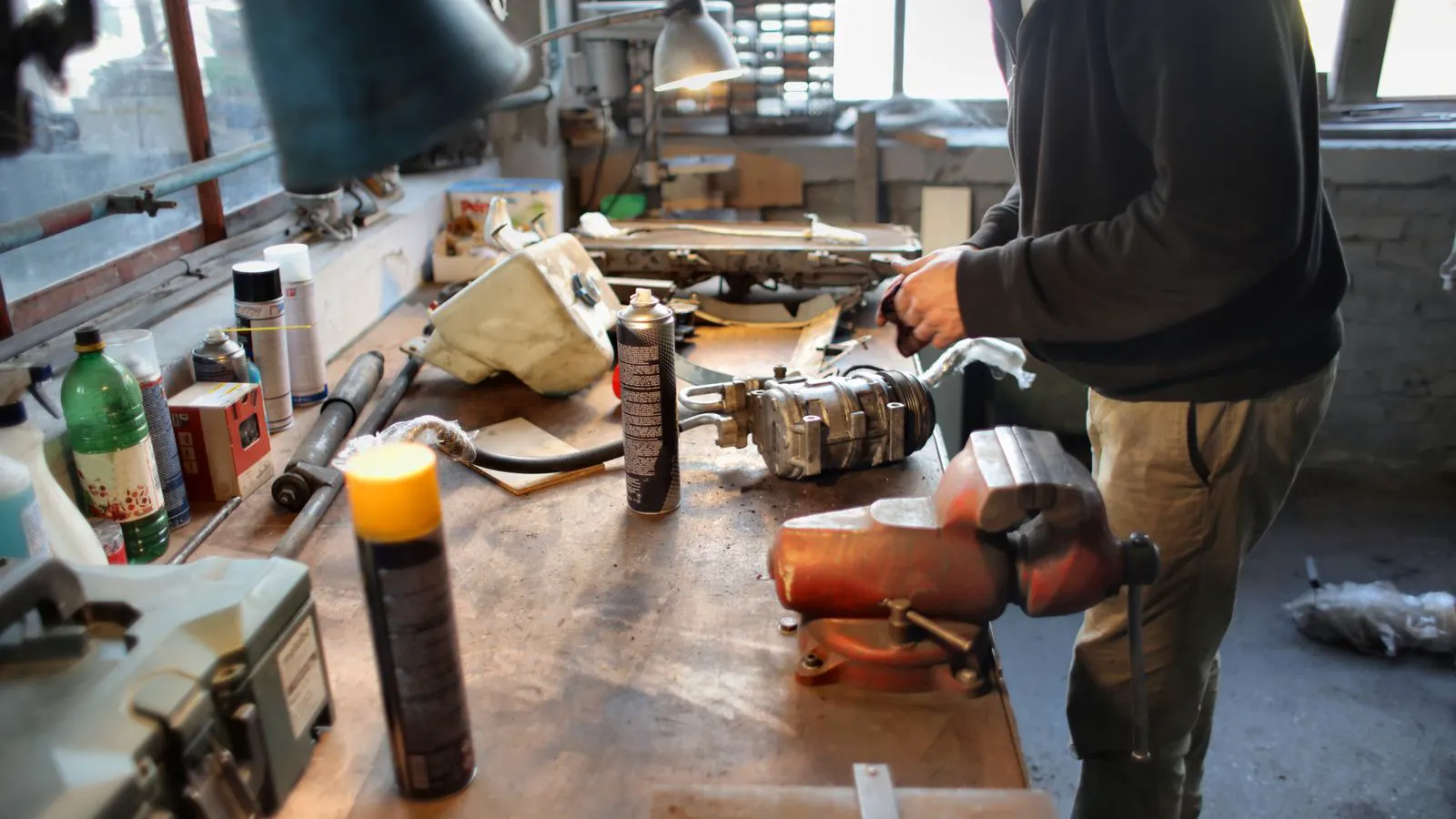
The dealer network is shifting from a simple sales channel to a technical service partner. Buyers must plan for digital diagnostics, hybrid support, and local parts logistics. This article outlines six structural changes and how to adapt your supplier selection strategy.
- Dealer networks are moving from inventory-focused models to service- and data-focused models.
- Buyers should evaluate suppliers based on local technical depth, not just price.
- Hybrid support models combining remote diagnostics with local technicians are becoming standard.
- Contract terms must clearly define response times, parts availability, and liability.
- Long-term supplier relationships depend on clear communication channels and shared performance data.
The Shift from Sales to Service
The dealer network in woodworking is no longer just a sales channel. For many buyers, the dealer now determines the long-term cost of ownership. A low purchase price does not matter if the machine breaks down and the nearest technician is three days away.
This shift is accelerating because production schedules in wood processing are tight. A cabinet shop running a full week of orders cannot absorb a two-day outage. A panel plant cannot stop a line because a feed conveyor jams while waiting for a parts shipment. Buyers are asking different questions during the selection process. They want to know how a machine supplier handles routine maintenance, how quickly emergency repairs happen, and whether local stock of critical parts exists.
The dealer network is evolving into a service infrastructure. For professional buyers, understanding this evolution is a matter of protecting the production line. The cost of a machine is no longer just the sticker price. It includes the cost of downtime, the cost of parts, and the cost of the labor required to keep the equipment running. If the dealer cannot support these costs efficiently, the machine price becomes irrelevant.
How Local Technical Depth Is Becoming a Priority
Local technical depth now outweighs catalog breadth. A dealer who services ten machine types deeply is often more valuable than a dealer who lists fifty models but has no in-house expertise.
Buyers are looking for technicians who understand specific machine classes. A CNC router technician is not the same as a panel saw operator. The dealer network must match the complexity of the equipment. A router technician understands spindle alignment, vibration damping, and controller calibration. A saw technician understands blade tracking, fence parallelism, and safety interlock sequences. Sending the wrong technician to the wrong machine causes delays. It wastes labor hours and increases the risk of secondary damage.
When evaluating a machine supplier, check the service staff. Ask for names and roles. Ask how many hours per week they spend in the field. Ask if they carry spare bearings, spindles, and control boards. A technician who spends most of their time on the phone is not the same as one who is in the field diagnosing mechanical wear.
Look at the specific tools they carry. A generalist carries a multimeter and a basic toolkit. A specialist carries a laser alignment tool, a spindle test fixture, and a specific set of controller drivers. If a dealer cannot show you the specialized tools for your machine type, their technical depth is likely insufficient.
The Rise of Hybrid Support Models
Hybrid support is the most visible change. Dealers are combining remote diagnostics with local physical response. A technician may resolve a parameter error over a secure connection. A mechanical issue still requires a truck.
This model changes how buyers plan downtime. A hybrid dealer can often reduce emergency response times. They can triage the issue before dispatching a vehicle. If the error code points to a loose connection or a software reset, the technician can fix it over the network. The truck never leaves the shop. The machine is back up in twenty minutes, not the next morning.
However, not every problem works this way. A broken belt, a cracked table, or a seized bearing cannot be fixed remotely. The hybrid model requires clear communication between the buyer and the dealer. The buyer must be able to provide accurate error codes and describe symptoms clearly. If the buyer cannot access the machine interface or read the status screens, the remote diagnostic is limited.
Buyers should define what “hybrid” means in a contract. What problems can be solved remotely? What requires on-site service? Who bears the cost if a remote fix fails?
Clear definitions prevent disputes. Without them, a “remote service” call may turn into a long wait for a physical technician. The contract should specify that remote diagnostics are free, but that the clock for on-site response starts only after a remote diagnosis fails. It should also state that the dealer is responsible for providing the correct software update if a parameter reset requires it.
Parts Logistics and Inventory Strategy
The dealer network is rethinking parts logistics. Critical spares are no longer ordered from the manufacturer on a weekly cycle. Top dealers maintain local stock of high-failure items.
This changes the supplier relationship. A machine supplier that supports local inventory planning gains trust. A dealer that cannot guarantee a 48-hour parts lead time is a risk.
Buyers should ask about the parts strategy. What is the average lead time for spindles? Are filters and belts stocked locally? Is there a minimum order quantity for routine consumables?
Parts availability is a measurable metric. It should be in the supplier evaluation checklist. If a dealer cannot provide historical lead times, treat that as a warning sign.
Inventory strategy depends on the machine type. For high-volume production lines, dealers stock spindles, belts, and common sensors. For low-volume custom shops, they may stock only consumables and rely on manufacturer direct shipping for major components. The dealer must know their customer base. A dealer serving a dozen furniture makers has different inventory needs than one serving a large panel plant.
Check the physical stock. If the dealer says they have local inventory, ask to see the shelf. Count the spindles. Check the date on the belts. Old inventory is a risk. Bearings and electronic components have shelf lives. A dealer with a dusty shelf of parts is not the same as one with rotating stock.
Digital Integration and Data Sharing
Digital integration is changing the dealer network from a reactive model to a predictive one. Machines generate data. Dealers can now see usage patterns, error codes, and maintenance intervals.
This data supports two functions. First, it helps schedule preventive maintenance before a failure occurs. Second, it helps the dealer prepare the right parts before arriving on site.
A machine that logs its spindle hours can alert the dealer when the bearings reach their rated life. The dealer can then schedule a replacement during a planned downtime window. This avoids the surprise failure that stops production. The dealer arrives with the correct bearing size, the correct torque settings, and the correct software version.
Buyers should ask if the machine supplier offers service data portals. Can the dealer see the machine status? Can the buyer receive alerts? Is the data accessible to third-party engineers?
Data access must be defined in the contract. Who owns the data? Who can view it? How is it secured? These questions are now standard in supplier discussions.
The buyer should ensure they retain ownership of their production data. The dealer may need access to service logs, but the buyer should not lose access to their own operational records. The contract should specify that the data is encrypted in transit and at rest. It should also state that the buyer can export the data if they change suppliers.
If the machine does not have digital integration, ask if it can be added. Some older machines can be fitted with retrofit sensors and data loggers. This allows the dealer to monitor performance without replacing the machine. It is a cost-effective way to bring legacy equipment into the modern support ecosystem.
Contract Terms and Liability Clauses
The dealer network requires clearer contracts. Old contracts focused on purchase price and delivery. New contracts must address service levels, response times, and liability for downtime.
Buyers should define service level agreements in writing. What is the response time for a production-critical failure? What is the maximum downtime allowed before penalty clauses trigger?
Liability clauses are also changing. If a remote service extends downtime, who pays? If a local technician uses a non-OEM part, who bears the warranty risk?
These terms must be specific. Vague language leads to disputes. A well-drafted contract protects both the buyer and the dealer network.
A typical service level agreement might state that the dealer must respond to a critical failure within four hours. It might state that the repair must be completed within twenty-four hours. It might state that a penalty applies for every hour the machine remains down after the twenty-four-hour mark. The penalty should be proportional to the cost of production. If the machine produces goods worth ten thousand dollars per hour, the penalty should reflect that value.
The contract should also address warranty interactions. If a service visit reveals a manufacturing defect, the dealer should be required to replace the part at no cost. If the service visit reveals normal wear, the cost should be itemized. The buyer should have the right to approve the repair before work begins, especially for major components.
How to Prepare Your Supplier Selection Process
Buyers should update their supplier evaluation process. The dealer network is now part of the machine purchase decision.
Start with a structured interview. Ask about the number of field technicians. Ask about the service region. Ask about the average response time. Ask about the parts inventory strategy.
Visit the service workshop. See the tools. See the spare parts. Talk to the technicians. Their confidence and knowledge are visible.
Create a scorecard. Weight service metrics higher than price. A machine that stops for five days costs more than a machine that costs 10 percent more upfront.
The scorecard should include specific questions. How many technicians are assigned to your region? What is their average response time? What is their on-site repair success rate? What is the average lead time for critical parts?
Do not rely on sales representatives for this information. They will give you the best answer, not the accurate one. Ask to speak with the service manager. Ask to see the service logs from the last year. Look for patterns of delays or repeated failures.
If the dealer cannot provide this data, it suggests a lack of internal tracking. A professional service organization tracks its performance. They know their average response time. They know their parts availability. They know their customer satisfaction scores. If they do not have this data, they are not ready to support a high-value production line.
Planning for Long-Term Support
The dealer network is a long-term commitment. A supplier who disappears after the sale is a risk. A dealer who invests in training and parts is an asset.
Plan for the next ten years. How will the dealer network change? Will the machine supplier support newer software? Will the dealer remain independent or be absorbed?
Build relationships with multiple service channels. If the primary dealer fails, who else can service the equipment? Cross-training with a secondary dealer reduces risk.
Keep records of all service interactions. Log downtime. Log parts replaced. Log technician visits. This data supports future negotiations and warranty claims.
The dealer network is the backbone of machine support. Buyers who plan for it protect their production. Buyers who ignore it pay for downtime.
Summary of Key Shifts
| Shift | Old Model | New Model | Buyer Action |
|---|---|---|---|
| Support Model | Reactive, on-site only | Hybrid, remote plus on-site | Define remote service scope in contract |
| Parts Strategy | Manufacturer direct | Local dealer inventory | Verify local stock of critical spares |
| Technical Focus | Generalist technicians | Specialist technicians | Check technician roles and training |
| Data Use | None or limited | Predictive maintenance data | Request access to service data portals |
| Contract Focus | Price and delivery | Service levels and liability | Draft SLAs with response time penalties |
| Supplier Role | Sales channel | Technical partner | Evaluate supplier service infrastructure |
Checklist for Preparing Your Supplier Selection
- Identify the machine supplier’s service structure.
- Verify the local dealer network’s technical depth.
- Confirm parts inventory strategy and lead times.
- Review data access and service portal features.
- Draft service level agreements with clear penalties.
- Visit the service workshop and meet the technicians.
- Plan for a secondary service channel.
- Establish a record-keeping system for downtime.
Frequently asked questions
What is a dealer network in woodworking?
A dealer network is a group of local service providers who sell, install, and maintain woodworking machines. It includes technicians, parts warehouses, and service offices.
How is the dealer network different from a manufacturer's service team?
A manufacturer's service team is often centralized. A dealer network is local and independent. Dealers usually respond faster but may vary in technical depth.
Can a buyer use a dealer for machines from different manufacturers?
Yes, if the dealer has the training and parts. Multi-brand dealers offer broader support but may lack specialist depth for specific machine classes.
What is a service level agreement in a dealer network context?
A service level agreement defines response times, repair targets, and penalties. It protects the buyer by setting clear service expectations.
How do I find a reliable dealer network?
Check references. Visit the service workshop. Ask for historical response times. Verify parts inventory. Talk to technicians about their experience.


