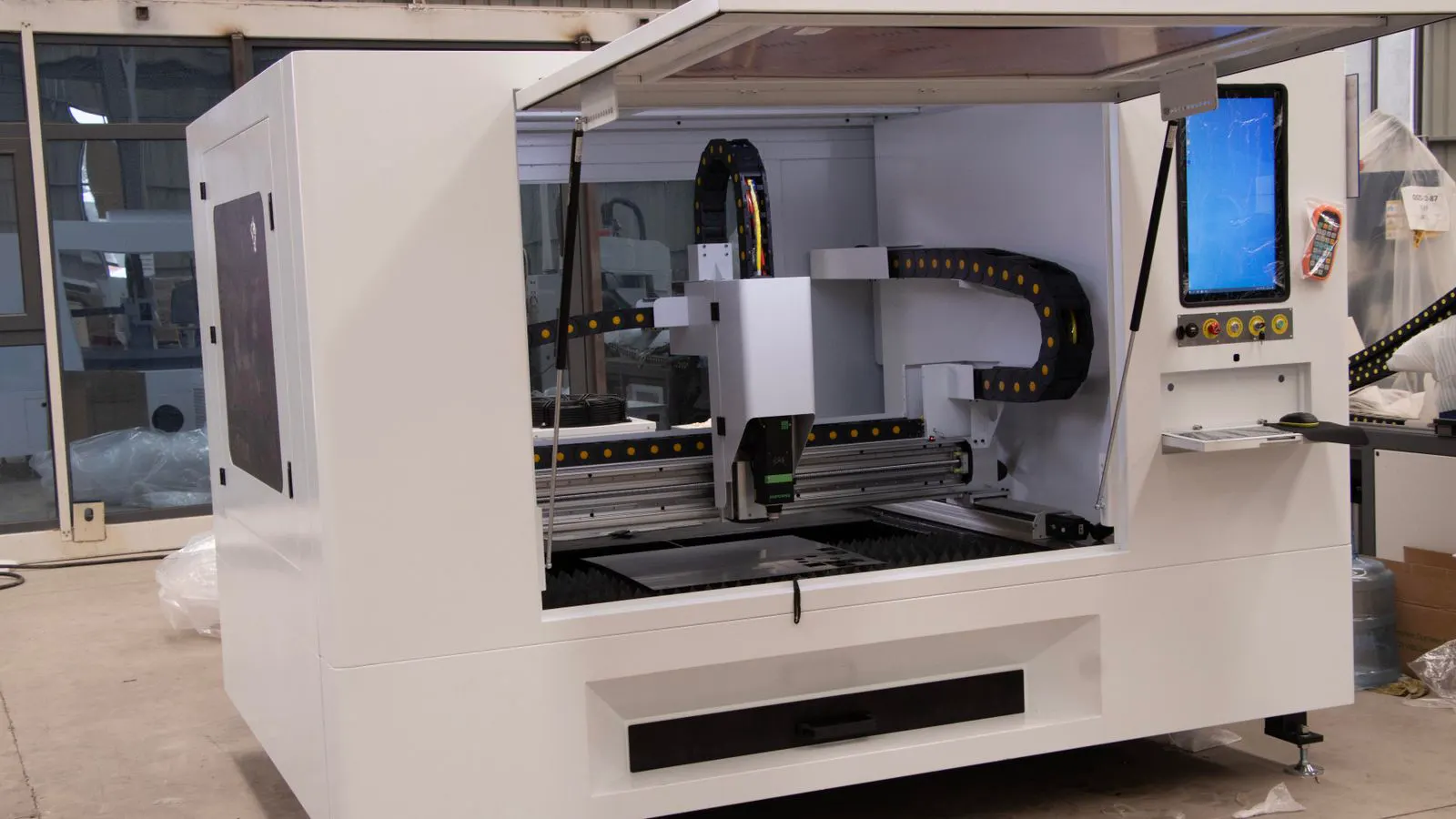
Importing a cnc router involves more than the machine price. This guide breaks down duty, shipping, compliance, and hidden fees so buyers can compare quotes accurately and plan budgets for cnc machining and woodworking cnc projects.
- Import costs for a cnc router extend far beyond the machine price, including duty, freight, insurance, and compliance fees.
- Clear RFQs that specify HS codes, voltage, and required certifications reduce quote variance and hidden add-ons.
- Lead times for shipping and customs clearance vary by route and documentation quality, affecting production planning.
What Is the True Cost of Importing a CNC Router
A cnc router quote from a supplier often shows only the machine price and freight. That number misses several line items that land in the buyer’s ledger after the invoice is issued.
The full cost includes the machine price, export documentation, inland freight to the port, ocean or air freight, marine insurance, import duty, and local taxes. Customs clearance, broker fees, and testing or inspection charges also apply. If the machine requires a local electrical contractor to certify the main power connection, that labor cost is separate from the equipment.
Buyers who plan only for the sticker price and freight usually face a 10 to 20 percent surprise at the point of delivery. The gap widens when the machine arrives at a port that is far from the final job site.
How Duty Rates Affect the Final Price
Duty is the largest variable after the machine price. The rate depends on the Harmonized System code assigned to the equipment and the country of origin.
A cnc router may be classified under a general heading for machine tools or under a specific heading for woodworking machinery. The distinction matters. Different codes carry different duty rates. A buyer who does not confirm the HS code before requesting a quote may receive a duty estimate that is too low.
Country of origin also changes the rate. A machine built in one region may qualify for a preferential rate under a trade agreement, while the same machine built in another region may not. The buyer should ask the supplier for the country of manufacture and the applicable trade agreement, if any.
Duty is usually calculated on the value of the goods plus freight and insurance, a method known as customs value. This means the duty base is higher than the invoice price alone. A buyer should request a landed cost breakdown that shows the duty base explicitly.
Shipping, Freight, and Insurance
The route from the factory to the buyer’s site determines the freight cost. A machine shipped by sea from a distant port is usually cheaper per unit of weight than air freight, but the lead time is longer.
A cnc router is heavy and often requires a steel skid or a wooden crate with internal bracing. The crate itself adds weight and cost. If the machine exceeds the weight limit of a standard shipping container, the buyer may need a special container or a roll-on roll-off vessel.
Air freight is faster but expensive. It is typically used when the machine is small, when the buyer needs to replace a failed unit quickly, or when the production schedule cannot tolerate a multi-week delay.
Marine insurance protects the machine against loss or damage during transit. The premium is a small percentage of the insured value, but it should be included in the landed cost. The buyer should confirm whether the supplier’s freight terms include insurance or if the buyer must purchase it separately.
Compliance and Documentation Requirements
Each destination country has its own rules for importing electrical and mechanical equipment. The buyer must prepare a set of documents before the machine arrives.
The core documents include the commercial invoice, packing list, bill of lading or air waybill, certificate of origin, and the technical data sheet for the machine. For electrical equipment, the destination country may require a conformity assessment or a type test report.
A cnc router connects to a main power supply and may include variable frequency drives, control cabinets, and pneumatic systems. Each component can trigger a separate compliance check. The buyer should ask the supplier for the electrical specifications, including voltage, frequency, and phase count.
If the machine will be used in a regulated industry, such as aerospace or automotive, the buyer may need additional inspection. The local standards body or a third-party testing agency may need to review the machine before it is put into service.
The compliance cost is not a fixed fee. It depends on the complexity of the machine, the destination country, and the level of documentation the supplier provides. A supplier that sends a full technical data pack and a pre-approved conformity report can reduce the buyer’s compliance cost and the risk of the machine being held at the port.
How to Write a Clear RFQ for Import Costs
A vague request for a quote is the fastest way to end up with two different numbers. The buyer should specify the exact model, the quantity, the destination port, and the required documentation.
The RFQ should state the desired voltage and frequency. It should specify whether the buyer requires a CE, UL, or local certification. It should ask for the HS code and the country of manufacture.
The buyer should also state the delivery terms. Incoterms, such as FOB, CIF, or DDP, define who pays for freight, insurance, and clearance. A DDP quote includes all costs up to the buyer’s door, which simplifies budgeting but can obscure the individual cost drivers.
A clear RFQ should ask for a landed cost breakdown. The breakdown should separate the machine price, export packing, freight, insurance, duty, and clearance fees. This allows the buyer to compare quotes fairly and to identify where one supplier’s cost is higher.
A Table of Cost Drivers
The table below lists the main cost drivers for importing a cnc router. The values are described in general terms because they vary by route, machine size, and destination.
| Cost Driver | Description |
|---|---|
| Machine Price | The base cost from the supplier, excluding freight and duty. |
| Export Packing | The cost of the crate, skid, and protective materials. |
| Freight | The cost of ocean or air transport from the origin to the destination port. |
| Insurance | The premium for marine or air cargo coverage. |
| Duty | The tax calculated on the customs value, which includes freight and insurance. |
| Clearance Fees | The fees paid to the customs broker and any inspection charges. |
| Inland Freight | The cost of moving the machine from the port to the final job site. |
| Installation Labor | The cost of the local electrical and mechanical setup. |
How to Compare Quotes and Plan Lead Time
The lead time for a cnc router import is not just the shipping duration. It includes the time to prepare documents, the time for customs clearance, and the time for installation.
A buyer should plan for a buffer of two to four weeks beyond the stated shipping time. This buffer covers delays at the port, such as inspection holds or missing documents.
The lead time also depends on the type of machine. A small desktop router can be shipped in a standard pallet and cleared quickly. A large gantry router may require a crane and a special delivery window, which adds time.
The buyer should ask the supplier for the production lead time if the machine is built to order. A standard model may be available off the shelf, while a custom configuration may require weeks of manufacturing.
The comparison of quotes should focus on the total landed cost and the total lead time. A cheaper machine from a distant port may have a higher landed cost due to longer freight and higher duty. A more expensive machine from a nearby supplier may have a shorter lead time and lower clearance fees.
The buyer should also consider the cost of downtime. If the machine is a replacement for a unit that has failed, the lead time is the most important factor. If the machine is a new addition to the production line, the buyer can trade a small amount of cost for a shorter lead time.
The final step is to confirm the payment terms. A common structure is a deposit, followed by the balance before shipment. The buyer should confirm that the supplier will not release the machine until the final payment is made.
How to Reduce Hidden Fees
Hidden fees are usually the result of unclear communication. The buyer can reduce them by asking specific questions.
The buyer should ask for the exact weight and dimensions of the machine, including the crate. This information is needed for freight calculation. A supplier who provides a rough estimate may lead to a freight quote that is too low.
The buyer should ask for the electrical specifications in writing. This includes the main contactor size, the power supply requirements, and the control cabinet contents. This information is needed for the local electrical contractor to plan the installation.
The buyer should ask for the HS code and the country of manufacture. This information is needed to calculate the duty accurately. A supplier who does not provide this information may be using a generic code that does not reflect the machine’s actual classification.
The buyer should ask for the list of required certifications. This includes the electrical safety standard, the machinery safety standard, and any local environmental requirements. This information is needed to plan for any testing or inspection.
The buyer should ask for the supplier’s experience with exports to the destination country. A supplier that has shipped to the destination before will know the local customs procedures and can provide the correct documents.
The final step is to review the contract. The contract should state the delivery terms, the payment terms, and the responsibility for customs clearance. It should also state what happens if the machine is held at the port due to missing documents.
The buyer should keep a copy of all documents. This includes the commercial invoice, the packing list, the bill of lading, the certificate of origin, and the technical data sheet. These documents are needed for customs clearance and for future warranty claims.
The cost of importing a cnc router is a complex calculation. The buyer who understands the cost drivers and asks the right questions will be able to plan the budget and the lead time accurately. The result is a smooth delivery and a machine that is ready for cnc machining from the first day.
Frequently asked questions
What is the biggest hidden cost when importing a cnc router?
The biggest hidden cost is usually the duty, which is calculated on the customs value that includes freight and insurance, not just the machine price.
How do I confirm the HS code for my machine?
Ask the supplier for the HS code and the country of manufacture, and verify it with your local customs broker or the customs authority in your country.
Can I use air freight for a large cnc router?
Air freight is possible but expensive. It is usually reserved for small machines or urgent replacements, as the cost is high and the weight limit is a factor.
What documents do I need for customs clearance?
You need the commercial invoice, packing list, bill of lading, certificate of origin, and the technical data sheet. You may also need a conformity assessment or a type test report.
How long should I plan for the lead time?
Plan for a buffer of two to four weeks beyond the stated shipping time to cover delays at the port and for customs clearance.


