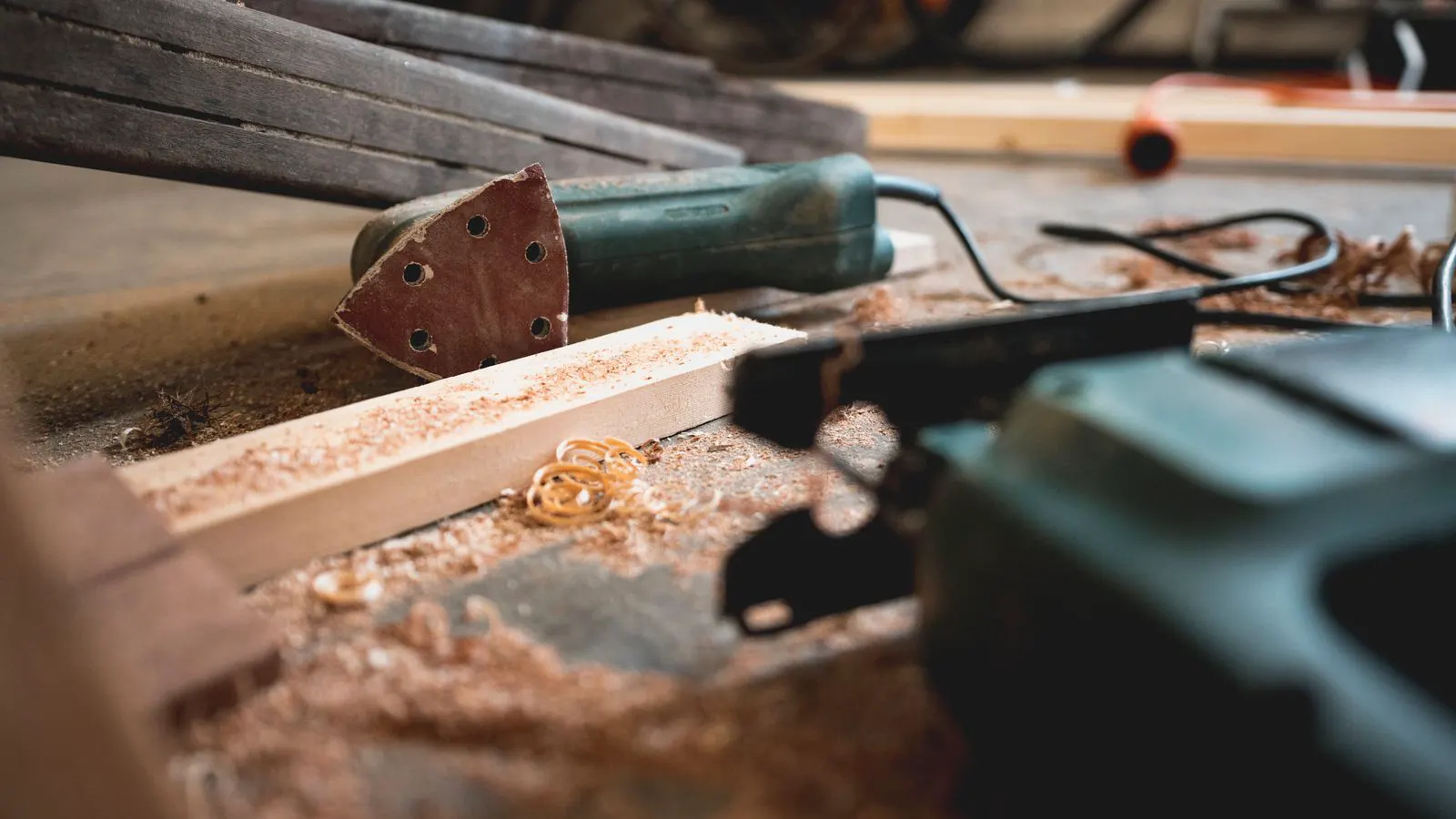
The future of dust extraction involves stricter air quality standards and smarter filtration systems. Buyers should prepare by adopting modular designs, monitoring air quality, and prioritizing energy efficiency. This guide outlines six shifts to plan for.
- Regulations on airborne particulates are expected to tighten, requiring more effective dust extraction systems.
- Advanced air filtration and baghouse technologies will dominate new installations over older cyclone-only setups.
- Modular and scalable shop ventilation designs will help facilities adapt to changing production lines.
- Energy efficiency and variable speed drives are becoming key factors in procurement.
- Proactive maintenance and air quality monitoring will reduce downtime and compliance risk.
Why Dust Extraction Is Becoming a Strategic Priority
Professional woodworking facilities are under increasing pressure to manage airborne particulates not just for worker safety, but also for environmental compliance and product quality. As air quality standards evolve, dust extraction is moving from a simple shop utility to a core component of facility planning.
Buyers and engineers need to look beyond basic capacity. The goal is now to ensure systems that can meet stricter limits, adapt to changing machine layouts, and operate efficiently over long service lives.
What Changes in Air Quality Standards Can Expect
Air quality regulations for woodworking facilities are trending toward tighter controls on fine particulate matter. Authorities in many regions are moving beyond simple visual cleanliness toward measurable limits for airborne dust concentrations.
This shift means that dust extraction systems must capture finer particles more reliably. Older setups that only handled coarse sawdust may struggle to meet future requirements. Buyers should evaluate whether their current systems can capture sub-micron particles without excessive energy use.
The practical impact is that new procurement should prioritize systems with higher filtration efficiency and lower pressure drops. This protects both compliance and operational costs.
Technology Trends Reshaping Dust Collectors
Several technology trends are influencing how dust collectors are designed and sold. Variable frequency drives are becoming standard on fan systems, allowing operators to adjust airflow based on machine use. This reduces energy consumption when production is low.
Another trend is the use of more advanced filter media. Synthetic media and self-cleaning baghouses are improving service life and reducing downtime for filter replacement. Some systems now include automated filter cleaning cycles that maintain consistent airflow.
These technologies make dust collectors more efficient but also more complex. Buyers should ask vendors about maintenance access, filter replacement intervals, and how the system handles moisture or resin-laden dust.
How Shop Ventilation Will Evolve for Modern Facilities
Shop ventilation is no longer just about removing dust from the floor. It is becoming part of a broader air quality strategy. This includes capturing dust at the source, controlling airborne particles in the general room air, and managing humidity and volatile compounds where applicable.
Facilities are increasingly designing ventilation paths that separate dusty zones from clean zones. This may involve local exhaust points at each machine, ducted return paths, and central filtration. The result is a more controlled environment with less cross-contamination.
For buyers, this means shop ventilation planning should happen before machine placement. Retrofitting a well-laid shop with proper dust extraction is far more difficult and costly than integrating it from the start.
The Role of Air Filtration in Compliance and Comfort
Air filtration is a key element of the future of dust extraction. As standards tighten, simply collecting dust in a bag is not enough. Facilities need to ensure that the air leaving the system meets emission limits.
High-efficiency filtration media, such as fine bag filters or electrostatic collectors, are becoming more common in larger facilities. These systems can capture very fine particles that would otherwise escape into the shop or outdoor air.
For smaller operations, portable or compact filtration units may be a practical solution. The key is to match filtration capacity to the type of dust generated. Hardwood dust, composite dust, and resin-based dust all require different filtration approaches.
How Buyers Should Prepare Their Procurement Strategy
Buyers should prepare for future dust extraction needs by adopting a flexible, modular approach. Rather than installing a fixed system for a single layout, consider designs that can scale as production changes.
This means evaluating:
- Current and projected machine layouts
- Types of materials and processes involved
- Local and regional air quality regulations
- Energy costs and efficiency goals
- Maintenance access and filter replacement frequency
- Integration with existing building ventilation
A phased approach can reduce risk. Start with source capture and central collection, then add air filtration and monitoring as regulations or production demands change.
A Practical Comparison of System Approaches
The table below summarizes common dust extraction approaches and how they align with future trends.
| System Approach | Best For | Future-Proof Considerations |
|---|---|---|
| Single-baghouse with local ducting | Small to medium shops | Check filter efficiency and airflow capacity |
| Cyclone plus baghouse combo | High-volume production | Ensure cyclone is sized for fine particle recovery |
| Modular multi-baghouse system | Large facilities | Look for scalable design and maintenance access |
| Portable filtration units | Temporary or seasonal work | Verify capture efficiency and portability |
| Central filtration with local exhaust | Multi-process shops | Plan for humidity and moisture control |
This table highlights that no single system fits every scenario. The right choice depends on facility size, material types, and regulatory environment.
Maintenance and Monitoring Will Matter More
As systems become more complex, maintenance and air quality monitoring will be critical. Facilities should consider installing simple dust monitors or particle counters in key areas. This provides data on whether the system is performing as expected.
Regular inspection of ducts, filters, and fan belts will prevent performance drops. Clogged ducts or worn belts reduce airflow and can cause dust to accumulate in unexpected places.
Buyers should ask vendors about maintenance schedules, filter life expectations, and whether the system includes any built-in monitoring features. A well-maintained dust extraction system will outperform a new one that is poorly managed.
Final Outlook
The future of dust extraction is shaped by tighter air quality standards, more advanced filtration, and a greater focus on efficiency. Buyers who plan ahead will be better positioned to meet regulations, protect workers, and maintain productivity.
The key is to treat dust extraction as a strategic system, not a single piece of equipment. By understanding the shifts in technology and regulation, facilities can build robust, adaptable air quality systems that serve both compliance and operational goals.
Frequently asked questions
Will dust extraction regulations get stricter in the coming years?
Many regions are moving toward tighter limits on airborne particulates in industrial settings. This is expected to continue, with more focus on fine dust and emission quality.
How should I choose between a baghouse and a cyclone system?
Baghouses are better for fine particle capture and compliance, while cyclones are strong for high-volume coarse dust. Many facilities use a combination to balance capacity and filtration.
Is shop ventilation enough to replace source dust extraction?
No. Shop ventilation helps remove airborne dust from the general air, but source extraction at each machine is more effective and usually required for compliance.
How often should dust filters be replaced?
Filter replacement depends on dust type, humidity, and system load. Regular monitoring and manufacturer guidelines will help determine the best interval.
What is the most important factor when buying a dust collector?
Matching the collector to your specific dust profile and airflow needs is essential. Consider particle size, volume, and future regulatory requirements.