Hot melt is faster and cheaper for standard high volume edge banding. Cold glue suits premium work where open time and flexibility matter. Choose based on line speed, material, and finish quality.
- Hot melt wins on line speed and operating cost, but it needs tight temperature control to avoid defects.
- Cold glue gives more open time and flexibility, which helps with premium finishes and tighter tolerances.
- The right choice depends on production volume, material type, and the required finish quality.
- Test both systems on your actual materials before committing to a line.
- Monitor adhesive application and temperature regularly to keep edge banding quality consistent.
What is the core difference between the two adhesive systems
Hot melt and cold glue represent the two primary edge adhesive choices for high volume production. They operate on fundamentally different physical principles and serve different production goals.
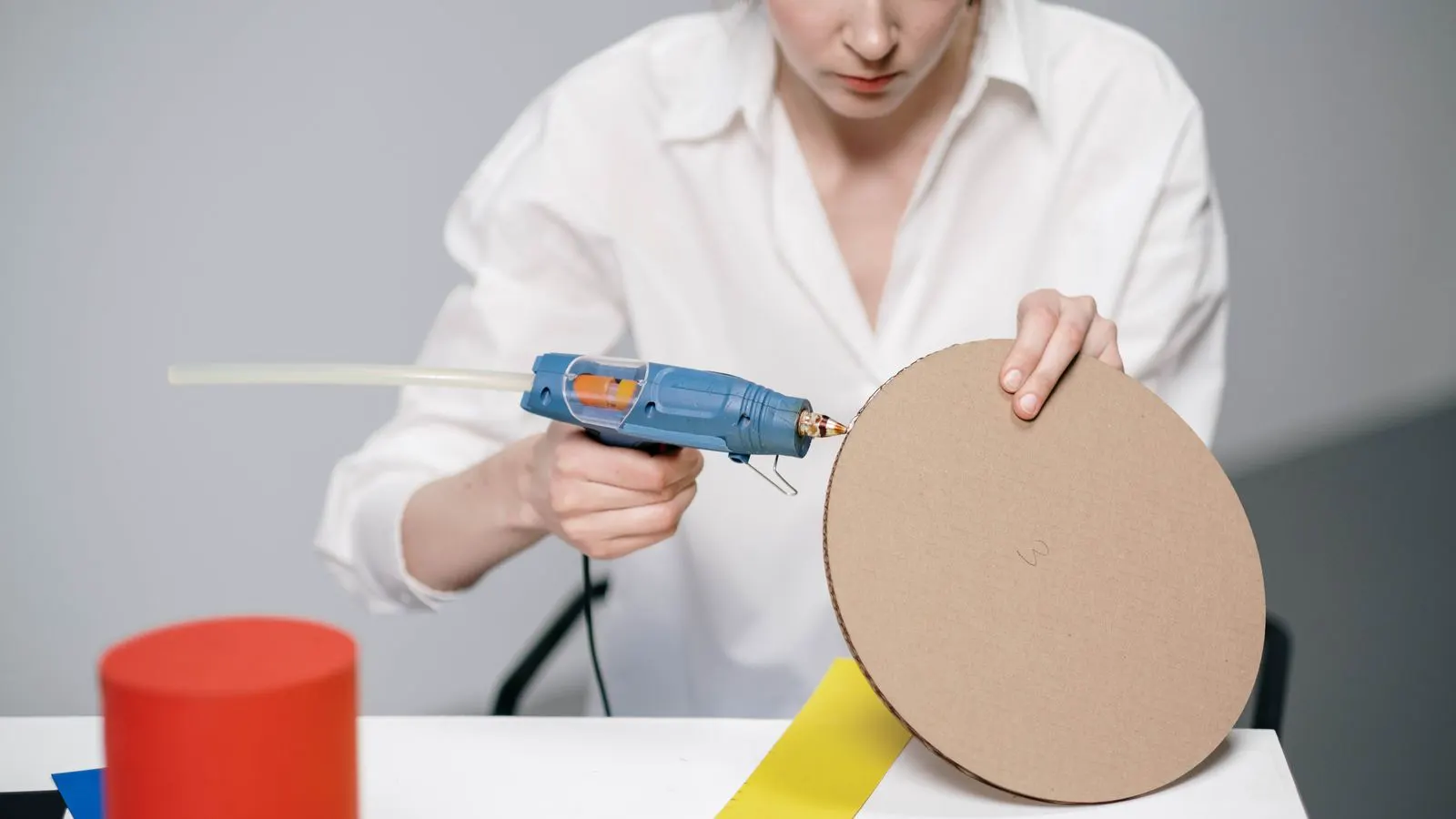
Hot melt adhesive is a thermoplastic material. It remains solid at room temperature and transitions to a liquid state at a specific set temperature. Once it contacts the wood surface and the banding material, it cools rapidly. This cooling process solidifies the bond. The setting time is measured in seconds, which allows the production line to continue moving without stopping for curing.
Cold glue is a solvent or water based adhesive that cures through chemical reaction or evaporation. It requires more time to reach a stable state. The bond development is slower, but the resulting joint often offers more flexibility and gap filling capability than hot melt.
The selection between these two systems directly impacts line speed, labor requirements, material cost, and the final aesthetic quality of the product. For many plants, this decision is not a theoretical exercise. It is a practical constraint determined by floor conditions, product specifications, and operational capacity.
How hot melt adhesive performs in high volume lines
Hot melt is the standard for most high volume edge banding operations. It is the default choice for automated lines that run continuous production cycles.
The primary advantage is speed. The adhesive is applied at a controlled temperature and sets almost immediately upon contact. This allows the line to run fast without waiting for curing time. Operators can maintain a steady pace without interruptions for inspection or drying.
The adhesive is also more cost effective per unit. It does not require solvents or special disposal methods. It is easier to manage in a production environment where consistency and speed are priorities.
However, hot melt demands precise temperature control. If the temperature is too low, the adhesive will not set properly, resulting in weak or incomplete bonds. If the temperature is too high, the adhesive can burn, darken, or create a sticky residue that attracts dust and dirt.
The bond itself is also less flexible than cold glue. This rigidity can become a problem on materials that move with humidity changes. Solid wood panels, for example, may experience micro movements that stress the hot melt joint over time, leading to potential lifting or separation.
How cold glue adhesive performs in high volume lines
Cold glue is less common in high volume lines, but it is used where the finish quality is the primary concern. It is often chosen for premium products where the edge appearance and long term stability are critical.
The main advantage is open time. The adhesive stays wet longer than hot melt. This gives the operator more control and allows for better alignment of the banding material. It also helps on materials that are difficult to bond with hot melt due to their surface characteristics or moisture content.
The bond is more flexible and can fill small gaps between the panel edge and the banding. This is better for solid wood or materials that change dimensions with humidity fluctuations. The flexibility allows the joint to absorb stress without cracking.
The downside is speed. The line must run slower or include a curing step. This increases labor cost and reduces overall throughput. The production cycle becomes longer, which can limit the number of units completed in a shift.
Cold glue also has a shorter shelf life once opened. It needs to be managed carefully to prevent spoilage or changes in viscosity. This requires more frequent inventory checks and proper storage conditions.
Comparison of the two edge adhesive systems
| Option | Best for | Limitations |
|---|---|---|
| Hot melt | High speed automated lines, standard products, low cost per unit | Less flexible bond, sensitive to temperature, can cause defects if misapplied |
| Cold glue | Premium finishes, solid wood, materials that need more open time | Slower line speed, higher labor cost, shorter shelf life |
| Water based cold glue | Eco sensitive plants, lines that need low odor | Slower drying, can affect wood moisture |
| Solvent based cold glue | Tight tolerances, difficult materials | Higher cost, disposal requirements, odor control |
When to choose hot melt
Choose hot melt when your production line runs at high speed and the products are standard. If you are making furniture, cabinetry, or casework in volume, hot melt is the default selection. The speed and cost efficiency align with the operational demands of high output.
It is also the better choice when you need to keep operating costs low. The adhesive is cheaper and easier to handle. It does not require special curing equipment or extensive ventilation for solvent evaporation. The setup is straightforward and the maintenance is minimal.
Use hot melt when the material is stable and the finish does not require high flexibility. Most plywood, MDF, and laminated materials work well with it. These materials have consistent density and moisture content, which makes them predictable for hot melt bonding.
When to choose cold glue
Choose cold glue when the finish is premium and the material is sensitive. Solid wood, exotic species, and high end products often need the flexibility and open time that cold glue provides. The slower cure allows the adhesive to penetrate the wood fibers more deeply, creating a stronger long term bond.
It is also better when the line speed is not the main constraint. If you are running a small batch or a high end product, the extra time is acceptable. The focus shifts from throughput to quality and aesthetics.
Cold glue is also useful when you are bonding materials that do not take hot melt well. Some soft woods and some laminates are easier to bond with cold glue. The adhesive can fill in irregularities in the edge profile that hot melt might bridge over without proper adhesion.
How to test both systems before committing
Do not choose based on vendor claims alone. Run both systems on your actual materials. The performance of an adhesive depends heavily on the specific combination of panel, banding, and machine.
Set up a small test run. Use the same edge banding machine, the same workpiece, and the same speed. Apply the adhesive in the same pattern. Check the bond after the line runs. This initial check ensures that the setup is consistent across both trials.
Look for defects. Check for lifting, gaps, and poor coverage. Check the bond after the workpiece has sat for a few days. Humidity changes can reveal weak spots that were not visible immediately after the line ran.
Measure the time it takes to reach a stable bond. This tells you what line speed you can run. If the bond is not stable within the cycle time, the line speed must be reduced or the adhesive process must be modified.
Keep records. Note the temperature, the speed, and the material. This gives you a baseline for future production. If you change the adhesive in the future, you will have data to compare against.
Common mistakes that reduce adhesive performance
The most common mistake is setting the hot melt temperature without checking it daily. The temperature drifts as the machine runs. The bond fails silently at first, then defects appear in batches. A simple thermometer check can prevent this.
Another mistake is using the same adhesive for all materials. Some materials need a different type or a different application pattern. For example, a dense MDF panel may require a different temperature than a softer plywood edge.
Cold glue is often underapplied to save cost. This creates weak bonds. The adhesive needs to cover the full edge surface. A thin layer of cold glue may look fine during the application but will fail under stress or moisture.
The banding material must also be compatible. A cheap banding with a rough surface can make any adhesive fail. The surface of the banding needs to be smooth and clean for the adhesive to grip properly.
Check the adhesive application rollers regularly. Worn rollers create uneven coverage. This leads to defects that are hard to fix later. A roller that is worn on one side will apply more adhesive on that side, creating an imbalance in the bond strength.
How adhesive choice affects the edge banding machine
The adhesive system changes how the machine is set up. Hot melt lines need a heated adhesive tank and a heated applicator. The temperature must be stable to ensure consistent flow and setting. The heater must be calibrated and maintained regularly.
Cold glue lines need a pump or a gravity feed. They need a way to control the flow. The open time means the banding must be applied quickly. The machine must be able to handle the viscosity of the cold glue without clogging the applicator.
The machine must also match the adhesive. A machine designed for hot melt may not work well with cold glue. Check the applicator type and the drying setup. Hot melt lines often have minimal drying space, while cold glue lines may need a longer path for evaporation or chemical curing.
If you are upgrading an existing machine, check if it can handle the new adhesive. The rollers, the tank, and the control system may need changes. The electrical load might increase if you are adding heaters, and the plumbing might need modification if you are switching to a liquid adhesive.
What to do when the bond fails
If the bond fails, check the adhesive first. Is it expired? Is it the right type for the material? An expired adhesive may have lost its bonding properties. A wrong type may not have the necessary flexibility or viscosity for the specific edge profile.
Check the application. Is the roller worn? Is the temperature correct? Is the coverage even? These are the most common operational issues. A worn roller or an incorrect temperature setting will show up in the bond quality.
Check the material. Is the edge clean? Is it dry? Is the banding the right thickness? Dust or oil on the edge will prevent adhesion. High moisture content can interfere with cold glue curing. Incorrect banding thickness can cause stress on the joint.
Do not assume the machine is broken. Most bond failures are caused by the adhesive or the material, not the equipment. The machine is usually a stable platform that delivers consistent application. The variables are usually external.
Fix the root cause. Then run a test again before returning to full production. A small batch test run confirms the fix and prevents a large batch of defective products.
Frequently asked questions
Can I switch from hot melt to cold glue on the same machine?
It depends on the machine. Some machines can handle both with changes to the applicator and the tank. Check with the manufacturer before making the switch.
Which adhesive is cheaper over time?
Hot melt is usually cheaper per unit. Cold glue can cost more in adhesive and labor because the line runs slower.
What if my material is sensitive to heat?
Use cold glue. Hot melt may damage the material or cause warping. Cold glue is safer for heat sensitive materials.
How do I know if the adhesive is applied evenly?
Check the coverage on the edge. Look for gaps or thick spots. Run a test piece and inspect the bond after the line runs.
Can I use hot melt on solid wood?
Yes, but it is not always the best choice. Solid wood can move with humidity. Cold glue gives a more flexible bond.