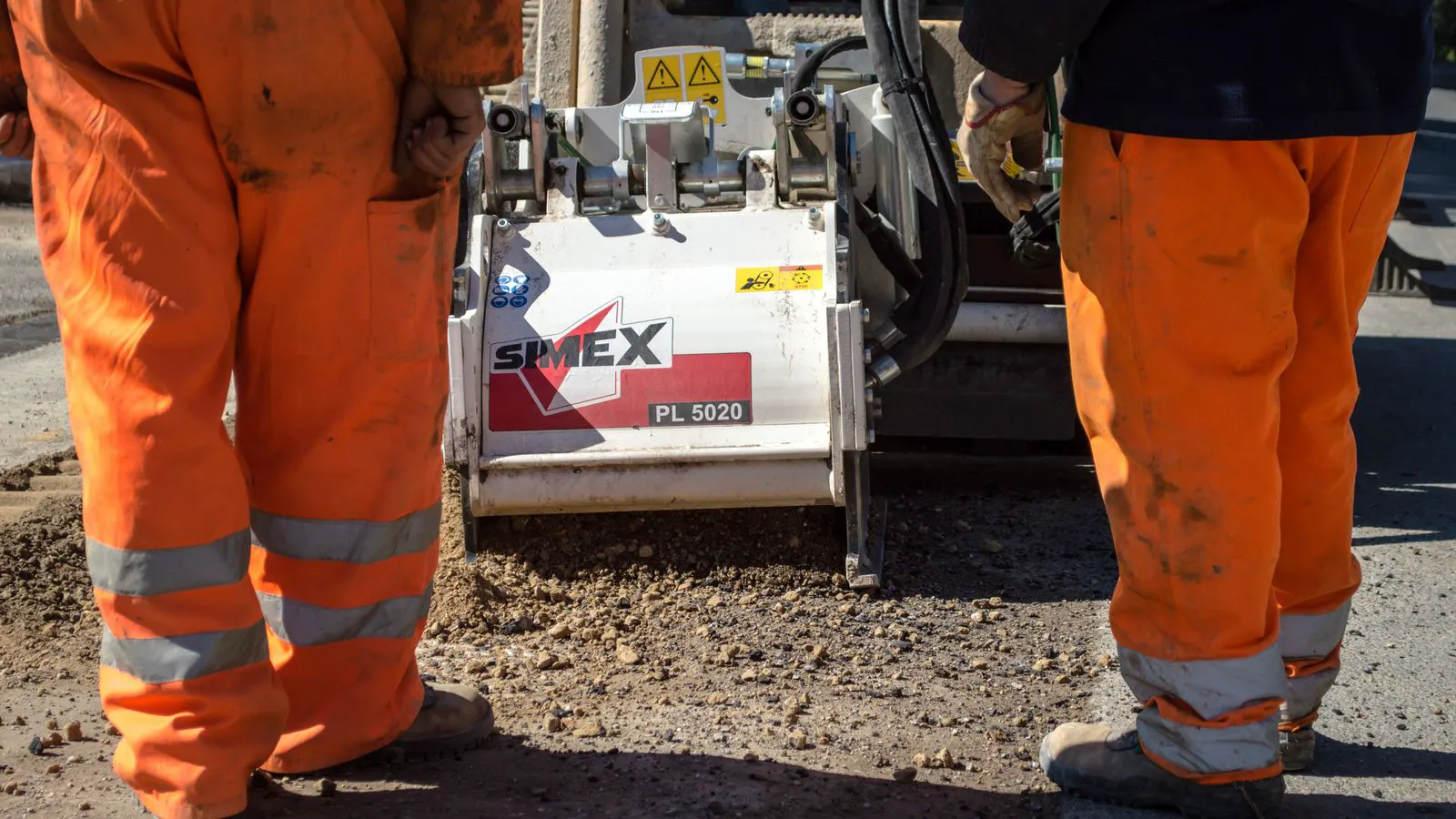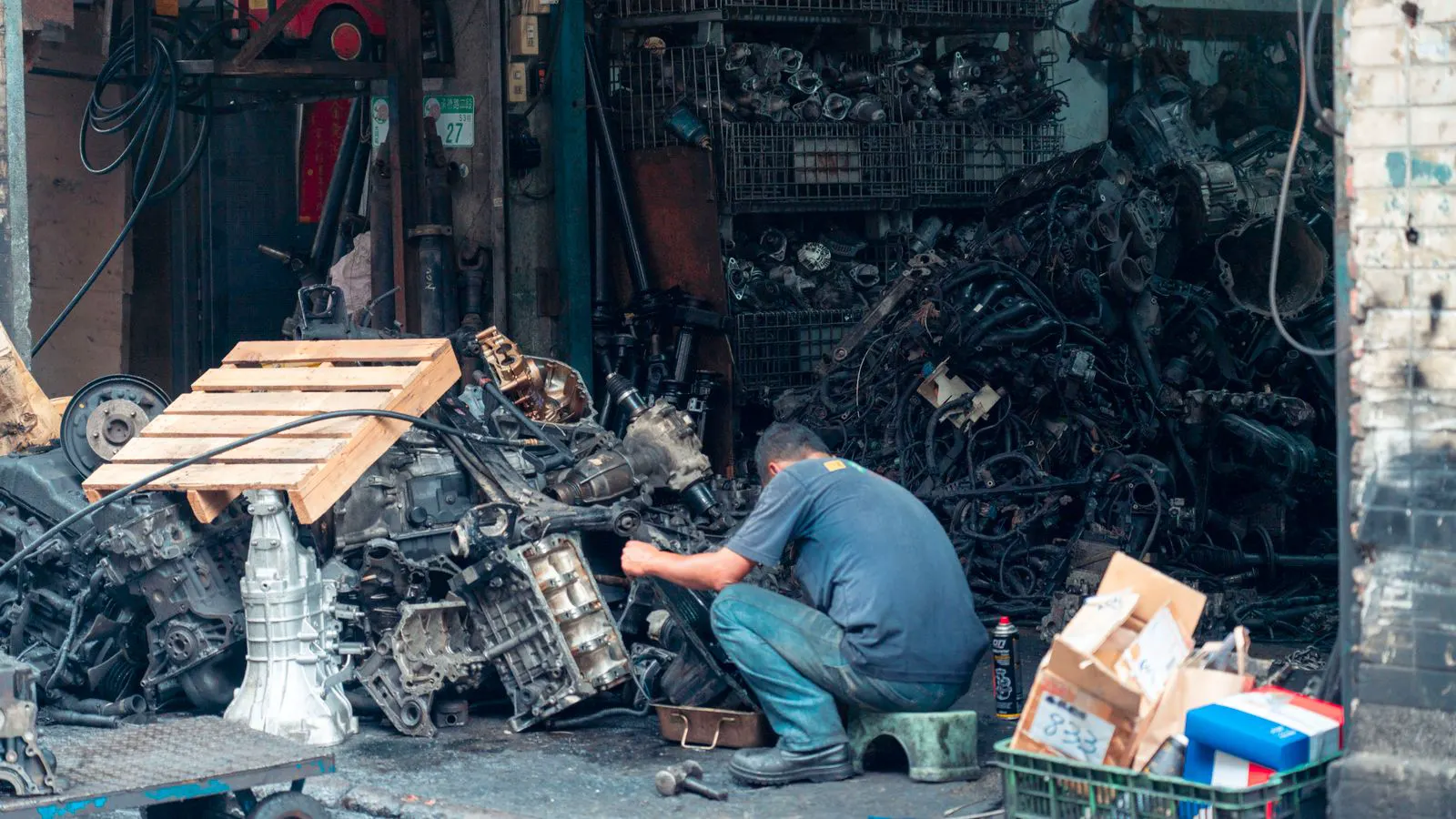
Fixed guards offer simpler maintenance and predictable protection, while adjustable devices suit variable work setups. The best choice depends on machine type, operator tasks, and compliance requirements.
- Fixed guards reduce variable wear but limit access for varied workpieces.
- Adjustable devices require more frequent checks and cleaning to stay compliant.
- Maintenance logs matter for both types, but adjustables demand tighter inspection intervals.
- Compliance depends on function, not just the physical form of the guard.
What drives the choice between fixed and adjustable guarding?
The decision starts with what the machine actually does during normal operation. A planer feeding stock in one direction needs a guard that stays put once set. A saw that changes blade angle or fence position needs a guard that can move with the cut. Woodworking machine guards are not just physical barriers. They define the envelope of safe contact between the operator and the rotating or moving part.
When you select a guard, you are choosing how often it will be touched, how often it will be cleaned, and how often it will need replacement. Fixed systems are simpler to maintain but less flexible. Adjustable systems are more flexible but require more attention. The trade-off is not a matter of one being safer than the other. It is a matter of which system will stay in the correct position under your shop conditions.
How do fixed guards handle wear and maintenance?
Fixed guards are machined or welded to the machine frame or to a fixed mounting point. They do not have moving joints, sliding rails, or locking mechanisms that can loosen. Over time, the wear is limited to surface contact with the workpiece or to paint or coating damage. A fixed guard on a stationary band saw, for example, may only need a light cleaning of sawdust and a check of the mounting bolts.
This simplicity affects your maintenance schedule. You can inspect the guard once a month and still catch most issues. The risk with fixed guards is not failure. It is obsolescence. If the work setup changes and the fixed guard becomes in the way or no longer covers the hazard, you need a physical replacement. That replacement is usually a one-time cost, but it requires downtime for installation.
The maintenance pattern is predictable. You know the failure mode. You know the cleaning interval. You know the inspection points. For a plant that runs the same stock and the same operations for years, that predictability lowers the long-term cost of safety administration.
How do adjustable safety devices change the maintenance profile?
Adjustable safety devices use sliding, pivoting, or telescoping mechanisms. They allow the operator to raise, lower, tilt, or shift the guard to match the cut. This is useful on a table saw where the blade height changes, or on a jointer where the infeed fence moves. The guard must be repositioned for each setup.
The maintenance burden comes from the moving parts. Slides collect dust. Hinges and pivots need cleaning. Locking pins or clamps can wear. A guard that is adjusted fifty times a week will show signs of wear far faster than a guard that is never touched. You need to check the lock mechanism after each adjustment, or at least at the start of each shift. You need to clean the contact surfaces so the guard does not bind. You need to replace worn pins before they fail under load.
The compliance angle is different here. A fixed guard is in the correct position by design. An adjustable guard is in the correct position only when the operator sets it correctly. Your procedure must verify that the adjustment is locked before the machine is started. This adds a step to your pre-operation checks. It also means your inspection log must record the state of the adjustable parts, not just the guard itself.
Comparison of guarding approaches for different machine types
The table below shows how the two main approaches perform across common scenarios. It does not rank one as universally better. It maps the fit to the operating context.
| Option | Best for | Limitations |
|---|---|---|
| Fixed guard | Stationary machines, single-purpose operations, high-volume identical stock | Cannot follow blade angle or fence movement; replacement needed for major setup changes |
| Adjustable guard | Multi-setup machines, variable blade height or tilt, changing workpiece sizes | More frequent cleaning and lock inspection; operator dependent for correct setup |
| Fixed guard with quick-release mount | Machines that change setup occasionally but need fast reconfiguration | Added hardware increases failure points; still requires inspection |
| Fully fixed with multiple pre-set positions | Machines that run a small number of fixed operations | Limited to the positions you install; less flexible for one-off work |
| Adjustable with interlock | High-risk cuts where guard position must be verified by the machine | Higher initial cost; more complex commissioning; requires trained operators |
When you use this table, focus on the first column. If your machine runs one operation and that operation does not change, a fixed guard is usually the lower-maintenance path. If your machine runs several operations and the hazard location moves, an adjustable guard is the only option that keeps the operator protected without removing the guard for each setup.
When fixed guards reduce long-term cost
A fixed guard reduces long-term cost in three ways. First, it has fewer parts to replace. A welded or bolted plate does not have a hinge pin that can snap. It does not have a slide that can stick. The failure modes are surface damage and loose fasteners. Both are cheap to fix.
Second, it simplifies training. The operator does not need to learn how to adjust the guard for each setup. They need to know that the guard is there and that they must not remove it. This lowers the chance of a user error that creates a new hazard.
Third, it simplifies audit preparation. When an inspector asks how the guard is maintained, you can show a simple log. Cleaned monthly. Fasteners checked quarterly. No adjustment history to review. For a fixed guard, the document is short. For an adjustable guard, the document is longer.
This does not mean fixed guards are always cheaper over a decade. If your shop changes its production profile every year, you will replace fixed guards more often than you adjust them. The cost shifts from maintenance to replacement. You have to weigh that shift against the cost of keeping adjustable systems in working order.
When adjustable devices are the safer operational choice
Adjustable devices are the safer operational choice when the hazard moves. If the blade can tilt to 90 degrees and your guard is fixed at 0 degrees, the guard no longer covers the full range of the hazard. You have created a gap. That gap is where a hand can enter.
The same applies to fence movement. If the infeed fence on a jointer moves and the guard stays fixed, the protected zone no longer aligns with the cutting zone. The operator is exposed during the movement and during the cut. An adjustable guard that follows the fence keeps the protection continuous.
The operational safety benefit comes from coverage, not from the physical strength of the guard. A fixed guard can be made of heavy plate, but if it does not cover the hazard, it fails its purpose. An adjustable guard made of lighter material can be safer if it stays aligned with the moving part.
This is why your compliance procedure must define the “protected zone” for each setup. The guard is compliant only when it covers that zone. For a fixed guard, that zone is constant. For an adjustable guard, that zone changes with the setup. Your procedure must reflect that difference.
Maintenance intervals and inspection points
The inspection intervals differ, but the inspection points are similar. Both types need the same core checks.
- Visual check for damage, cracks, or deformation.
- Check that the guard is clean and free of sawdust buildup.
- Check that the guard is securely mounted.
- Check that the guard does not interfere with the workpiece or the operator.
- Check that the guard does not create a new hazard, such as a protruding edge.
For a fixed guard, items 1 to 5 can be done with a visual check and a torque check on the fasteners. For an adjustable guard, you add the following:
- Check that the adjustment mechanism moves smoothly.
- Check that the lock engages fully.
- Check that the lock does not release under vibration.
- Check that the adjustment range covers the full range of operation.
- Check that the guard returns to the correct position after release, if it has a return spring.
The frequency should match the usage. A machine that runs 24 hours a day needs more frequent inspection than a machine that runs two shifts a week. A fixed guard on a high-use machine may need a weekly check. A fixed guard on a low-use machine may be fine with a monthly check. An adjustable guard on a high-use machine may need a daily lock check. An adjustable guard on a low-use machine may be fine with a weekly check.
The key is consistency. If you do not inspect the guard on the same schedule, you will miss the point where the lock pin starts to wear. You will miss it when the slide starts to stick. You will miss it when the fastener starts to back off. The failure is usually gradual. The inspection catches it before it becomes an incident.
How compliance shapes the decision
Safety compliance is not a single rule. It is a set of requirements that depend on the machine type, the hazard, and the operating conditions. The guard must prevent contact with the hazard. It must not create a new hazard. It must be maintained in a safe condition. It must be appropriate for the operation.
For a fixed guard, the compliance argument is straightforward. The guard is designed for one position. That position covers the hazard. The guard is maintained. It is compliant.
For an adjustable guard, the compliance argument is more complex. The guard must be verified in each position. The lock must be verified. The procedure must require the operator to confirm the guard is set before starting the machine. The log must record that confirmation.
This is where the difference becomes practical. A fixed guard does not require an operator action to verify the guard. An adjustable guard does. That operator action is a human factor. Human factors are the most variable part of any safety system. You can design the guard to be simple, but you cannot design it to be immune to operator error.
The compliance strategy is to reduce the number of operator actions. If you can use a fixed guard, you reduce the human factor. If you must use an adjustable guard, you increase the human factor and you must manage it with procedure, training, and inspection.
Final selection guidance
Choose a fixed guard when the machine runs a fixed operation and the hazard is in a fixed position. Choose it when your maintenance team is small and you want a simple log. Choose it when your compliance auditor prefers a static system.
Choose an adjustable guard when the machine changes setup regularly and the hazard moves with the setup. Choose it when you cannot remove the guard for each cut without exposing the operator. Choose it when the cost of downtime for replacement is higher than the cost of routine maintenance.
The long-term maintenance cost is not just the cost of parts. It is the cost of your team’s time. A fixed guard takes less time per inspection. An adjustable guard takes more time per inspection but may prevent a larger stoppage when the guard fails. You have to weigh the time cost against the risk cost.
Do not treat the guard as a one-time purchase. Treat it as a system. The guard, the mounting, the adjustment mechanism, the lock, the procedure, the training, and the inspection log are all part of the same system. If any part of that system is weak, the whole system is weak.
Pick the guard that fits the machine and the operation. Then maintain it with the discipline that the system requires. That is how you keep the protection in place over time.
Frequently asked questions
Can a fixed guard be modified to become adjustable?
Sometimes, but the modification may change the structural integrity of the guard. A professional assessment is needed before any change is made.
How often should I inspect an adjustable guard?
Inspect it at the start of each shift if the machine is used daily. Increase the frequency if the machine runs continuously or if the guard shows signs of wear.
What is the main risk with an adjustable guard?
The main risk is that the operator does not lock the guard correctly before starting the machine. This leaves the hazard exposed.
Do fixed guards require less training?
Yes, because the guard does not need to be adjusted. The operator only needs to know not to remove it and to report damage.
Can I use a fixed guard on a machine that changes blade height?
Only if the fixed guard covers the full range of blade heights. If it does not, the guard does not meet its purpose.