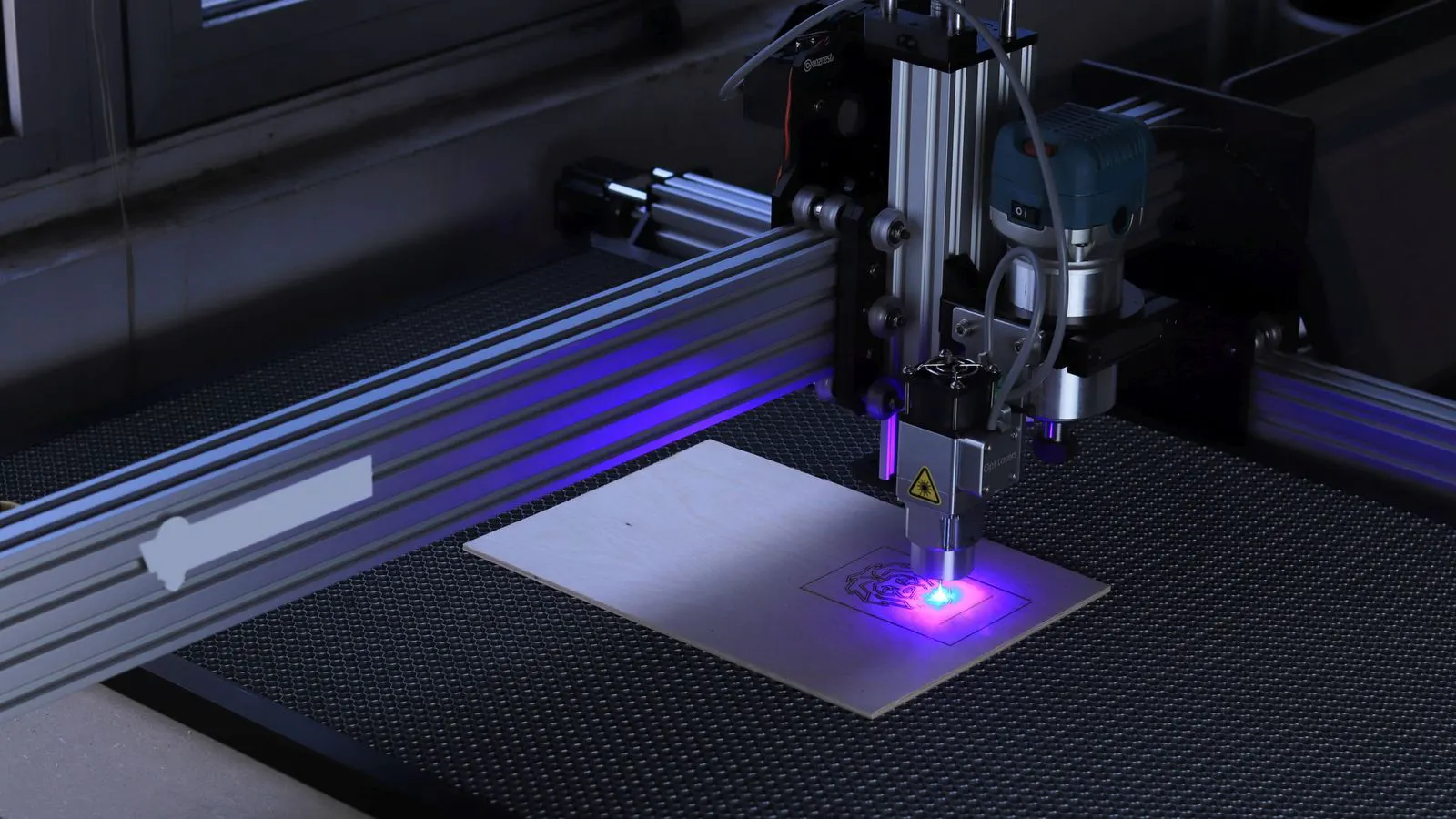
High-volume woodworking is shifting from single-machine operation toward integrated production systems. Buyers should watch trends in spindle technology, software planning, and material handling. This guide outlines the changes to expect and how to prepare your facility.
- Direct drive spindles are becoming the standard for high-frequency production because of reduced mechanical wear.
- Software planning is moving toward automatic nesting and adaptive toolpath logic that accounts for material grain direction.
- Shop-floor integration requires real-time communication between the router, loaders, and quality inspection systems.
- Buyers should prioritize serviceability and spare parts availability when choosing a machine for long-term high-volume use.
- Preparation involves auditing current workflow bottlenecks before investing in new hardware or software.
The Shift from Single Machines to Integrated Lines
High-volume woodworking is no longer defined by the speed of a single CNC router. It is defined by how quickly a piece of wood moves from raw board to finished panel without human intervention. The machine itself is only one node in a larger system.
For years, buyers focused on spindle power and table size. Those factors still matter. Today, the limiting factor is often the gap between the router and the next step in the process. If a loader takes ten minutes to swap a sheet, the router sits idle. The bottleneck moves from cutting to handling.
Production lines are tightening. A modern high-volume shop connects the CNC router to automated loaders, dust collection, and inspection stations. The goal is a continuous flow. Wood enters the system as a flat sheet and exits as a cut panel ready for assembly.
This shift changes what buyers should evaluate. A fast router in an isolated bay is less valuable than a moderate-speed router that fits into a balanced line. When planning a new installation, map the entire path of the material first.
Spindle Technology: Direct Drives and Heat Management
The most visible change in CNC routers for high-volume work is the spindle. Traditional side-mounted spindles use belts, bearings, and a motor housing. They are reliable but introduce mechanical friction. In high-frequency operation, that friction generates heat.
Direct drive spindles place the motor inside the toolhead. There are no belts. The tool spins at high speed with less lateral flex. For shops running 200 cuts per hour on softwood, the difference is measurable in tool life.
Heat is the other critical issue. A spindle that runs hot for eight hours a day will lose accuracy. Bearings expand. The toolpath drifts. This was a known problem with older machines. Newer designs use better thermal management, but it still requires monitoring.
Buyers should check how the manufacturer handles spindle cooling. Air cooling is standard. Some high-end systems use liquid cooling for the motor housing. Ask for the expected service interval for bearings. A 20,000-hour interval is very different from a 5,000-hour interval.
| Spindle Type | Typical Application | Maintenance Focus |
|---|---|---|
| Side-mounted | General purpose, mixed materials | Belt tension, bearing replacement |
| Direct drive | High-frequency, fine detail | Temperature monitoring, tool balance |
| Dual-spindle | Parallel cuts, edge profiling | Synchronization checks, tool offset |
Software and Toolpath Planning
The CNC router is only as fast as the plan it follows. Early software treated nesting as a simple packing problem. It fit shapes into a sheet to maximize yield. Modern software treats nesting as a physics problem.
It accounts for grain direction. It considers tool radius. It anticipates the deflection of a long cut. For high-volume production, this means fewer wasted sheets and more consistent edge quality.
The next development is adaptive toolpathing. The software adjusts cut depth based on the material it detects. If a scanner identifies a thicker zone in a veneered panel, the toolpath changes to take a deeper pass. This reduces vibration and improves surface finish.
Buyers should not buy the router and the software as separate items. Integration is the key. If the router manufacturer and the software provider do not support each other, you will face long setup times and manual overrides.
Check the compatibility between your router controller and the nesting software. Some systems allow direct file transfer. Others require manual conversion. In a high-volume shop, manual conversion is a source of error.
Automation and Material Handling
The router table is getting smaller in relative importance. The automation around it is getting larger. Automated loaders and unloaders are now standard in many high-volume facilities. They remove the human from the most physically demanding part of the cycle.
A loader presents a sheet to the router. The router cuts. The loader removes the cut parts and moves the next sheet. This cycle can run without an operator present. The operator monitors the line from a central station.
This changes the skill set of the floor crew. Workers are no longer just operators. They are technicians. They need to understand how to clear jams, calibrate sensors, and respond to alerts. Training becomes a larger part of the total cost of ownership.
Consider the footprint of the automation. A loader adds several meters of length to the line. If your facility is tight, the integration may not be practical. In those cases, semi-automated systems can be a middle ground. A loader handles loading, but a person removes the cut parts.
Serviceability and Spare Parts
High-volume production leaves no room for downtime. A machine that takes three days to repair because a part is out of stock is a liability. The trend here is moving toward modular design.
Parts are becoming interchangeable. If a spindle motor fails, you swap the whole module rather than opening the housing and replacing individual bearings. This reduces repair time. It also reduces the skill required to fix the machine.
Buyers should ask for a list of common failure points and their replacement times. Do not just ask about warranty. Ask about lead times for critical components. A two-week wait for a control board is acceptable for a low-volume shop. It is unacceptable for a high-volume line.
Also consider the local service network. A manufacturer with a global brand but no local engineers will struggle to support you quickly. A smaller manufacturer with a strong regional presence may be more responsive. Check who provides the field service in your area.
Preparing Your Facility
Preparing for these changes is not just about buying new hardware. It is about reworking your current workflow. Audit your shop floor. Identify where material sits idle. Measure the time between cuts. Find the bottleneck.
If the bottleneck is cutting, upgrade the spindle. If the bottleneck is loading, add automation. If the bottleneck is planning, upgrade the software. Do not buy a faster router if the real problem is that the operator spends an hour setting up each job.
Check your electrical and air supply. High-speed spindles draw more current. Automated loaders require compressed air for clamping. If your infrastructure was built for older machines, it may need upgrades. Plan for these changes in the same budget.
Start with a pilot. Run one new machine in parallel with your existing line. Measure the output. Compare the quality. Learn the maintenance rhythm. Then scale the system. This reduces risk and gives your team time to adapt.
The direction is clear. High-volume woodworking is moving toward integrated, automated, and data-driven production. The CNC router is the center of that system, but it is no longer the whole story. Buyers who plan for the entire line will get more value from their investment.
Frequently asked questions
How much does automation add to the cost of a CNC router system?
Automation can add significant cost, but it is usually a fraction of the total line cost. The value comes from reduced labor and higher throughput, not just from the machine price.
Can I upgrade my existing CNC router to support new automation?
It depends on the controller and the table design. Some older routers can accept external loaders. Others need a new control system. Check with the manufacturer before investing in new hardware.
What is the main benefit of a direct drive spindle for high-volume work?
Direct drive spindles reduce mechanical wear and heat generation. This leads to longer tool life and more consistent accuracy over long production runs.
Do I need to replace my entire shop to adopt these trends?
No. Many shops adopt changes in stages. You can start with software upgrades or a single automated loader before committing to a full line integration.
How should I evaluate the software for a high-volume CNC router?
Focus on nesting efficiency, grain direction logic, and integration with your router controller. Run a trial with your actual production files to see how the plan performs.


