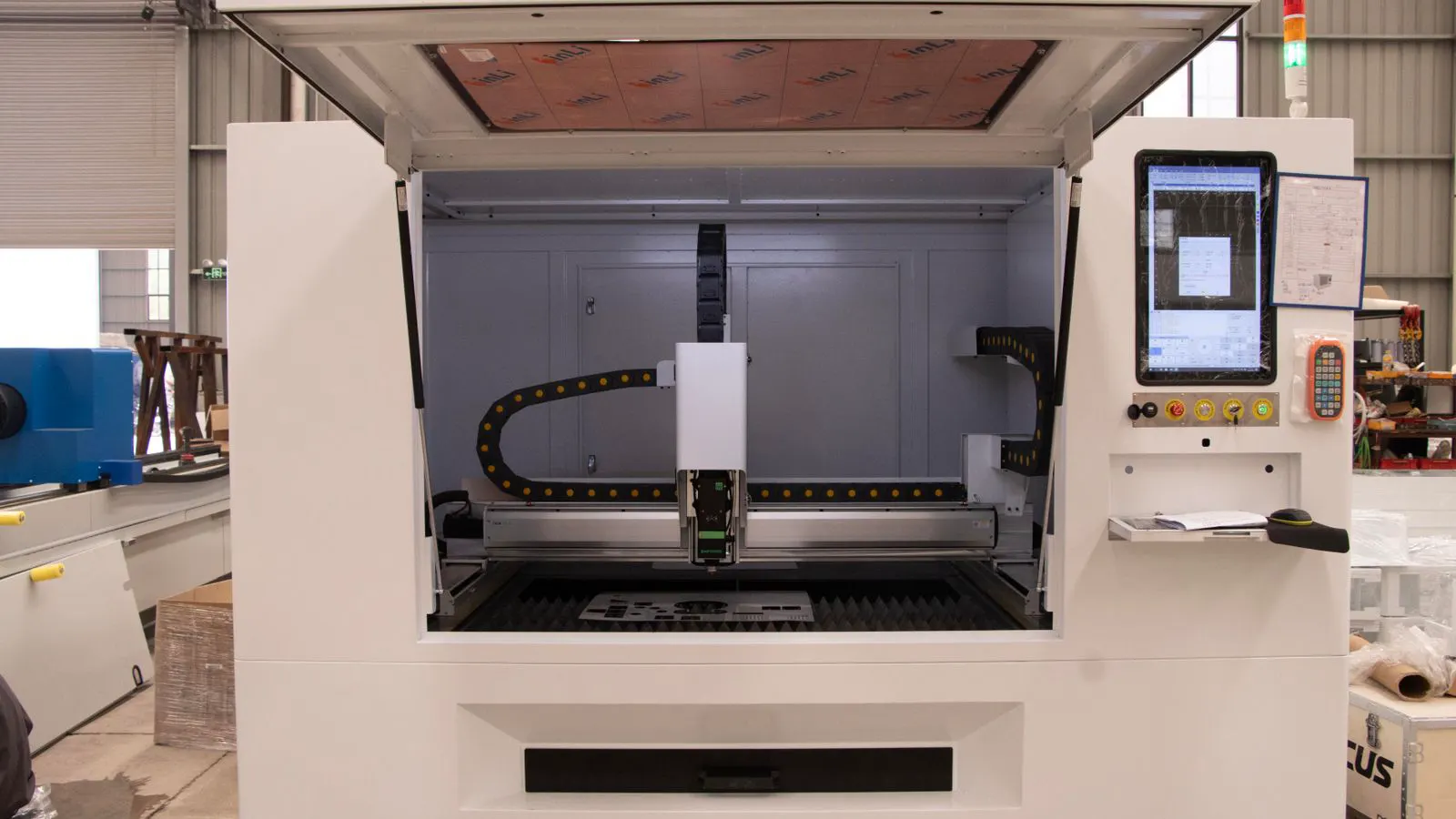
Before signing a CNC router purchase order, run a structured inspection to verify mechanical condition, spindle behavior, and software integration. This checklist covers frame rigidity, axis alignment, tool change, and safety systems to prevent costly surprises after delivery.
- Inspect frame stiffness and axis alignment before accepting delivery, as these defects are expensive to correct.
- Run a full spindle test at maximum RPM to check for vibration, noise, and temperature rise.
- Verify that the control software, tool library, and post processors are installed and functional.
- Check safety interlocks, emergency stops, and enclosure seals to ensure the machine meets operational standards.
- Confirm warranty terms, service response times, and spare parts availability with the supplier.
A CNC router is a capital asset that can run for decades, but the first few weeks after installation determine whether it will perform reliably. A pre-purchase inspection protects the buyer from hidden defects, incomplete documentation, and mismatched capabilities. The process should be methodical, and it should happen before the final payment is released.
This guide provides a numbered checklist grouped by theme. Each item includes a short explanation and red flags to watch for. The intent is to give buyers, engineers, and purchasing managers a practical tool they can print, copy, or adapt for a site visit.
Verify the mechanical frame and gantry
The frame is the foundation of the CNC router. It must be rigid enough to hold the spindle steady under cutting load. Even small flexes can show up as dimensional errors and poor surface finish.
- Check the frame material and construction. Cast iron frames are heavier and more rigid than welded steel frames. Welded frames are lighter and often cheaper, but they can flex if not designed well.
- Inspect the gantry rails and linear guides. They should be straight, clean, and free of binding. Move the gantry by hand across the full travel range. Listen for grinding or uneven resistance.
- Test axis alignment. Use a dial indicator or a laser alignment tool if available. The X, Y, and Z axes should be square to each other within the manufacturer’s tolerance.
- Check the table surface. It should be flat and free of dents, rust, or debris. The table should support the workpiece without deflection.
- Inspect the belts, gears, or ballscrews. Belt-driven systems are common in lower-end routers. Gear and ballscrew systems are more precise. Look for wear, looseness, or contamination.
Red flags: visible weld cracks, bent rails, loose bolts, or any axis that moves with a lag or stutter. If the frame is painted over visible rust or damage, ask for the repair history.
Test the spindle and tool change system
The spindle is the heart of the CNC router. It determines cutting speed, accuracy, and tool life. A weak or misaligned spindle will ruin parts and wear out tools quickly.
- Start the spindle at low speed. Listen for unusual noise or vibration. The sound should be smooth and consistent.
- Run the spindle at maximum RPM. Watch for temperature rise. Let it run for at least ten minutes. Use a non-contact thermometer to check the temperature.
- Check the spindle drawbar or collet. It should lock the tool securely. A loose tool will chatter and ruin the cut.
- Test the automatic tool change system, if equipped. Load three to five different tools. Run a test cycle that changes between them. Watch for misalignment, missed picks, or slow changes.
- Verify the spindle brake and safety features. The brake should stop the spindle quickly when the controller commands it.
Red flags: grinding noises, excessive vibration, tool dropouts, or a spindle that heats up rapidly. If the supplier cannot demonstrate the spindle at full RPM, ask for a test report.
Confirm axis travel and positioning accuracy
The stated travel and accuracy are not enough. The buyer needs to see the numbers in a real test. A CNC router that claims a 300 by 300 mm working area should be able to cut a full-size part without interference.
- Measure the working area. Run a test program that cuts a line at the extreme corners of the table. Verify that the tool does not hit the frame or the table edge.
- Check positioning repeatability. Run a square cut at the same location multiple times. The corners should match within the stated tolerance.
- Test the Z-axis. Cut a step or a pocket at different depths. The depth should be consistent.
- Verify the backlash on each axis. Move the axis back and forth at low speed. Measure the gap between the command and the actual movement.
Red flags: corners that do not meet, depth variation, or a Z-axis that drifts after cutting. If the supplier uses a different definition of “accuracy,” ask for the test method.
Review software, controls, and connectivity
The CNC router is only as good as its software. The controller, the operating system, and the post processors must work together. A mismatch here can stop production for days.
- Confirm the control brand and version. Popular controls include Fanuc, Siemens, and various open-source options. Ask for the exact firmware version.
- Check the operating system. Windows-based systems are common. Linux-based systems are more stable in some environments. Ask which OS is installed and whether it is licensed.
- Verify the tool library. The machine should have a pre-loaded library of tools with their cutting parameters. If not, ask how the library will be built.
- Test the post processor. Upload a simple part and generate a toolpath. Check that the output code matches the control’s format.
- Check connectivity. The CNC router should have a network port or a USB port. Verify that it can receive files and send status data.
Red flags: missing drivers, unlicensed software, or a post processor that does not match the control. If the supplier uses custom software, ask for a user manual and a training session.
Inspect safety and electrical systems
Safety is not optional. A CNC router can cause serious injury if the guards fail or if the electrical system is unstable. The buyer must verify that the machine meets the relevant standards.
- Test the emergency stop buttons. They should cut power to the spindle and axes immediately.
- Check the interlocks. The enclosure doors should have switches that stop the machine when opened. The doors should not open while the spindle is running.
- Inspect the electrical cabinet. The wiring should be neat, labeled, and free of damage. The breaker panel should be accessible.
- Verify the grounding. The machine should be properly grounded to prevent shocks.
- Check the air supply. Many CNC routers use compressed air to blow chips away. The air lines should be clean, leak-free, and fitted with a filter.
Red flags: missing guards, unmarked wiring, or an air filter that is clogged or missing. If the machine lacks a dust extraction port, ask about the integration cost.
Review documentation and warranty terms
The machine is only half the deal. The paper trail protects the buyer after the hardware is installed. A weak warranty or missing documentation can turn a simple repair into a long negotiation.
- Request the full technical manual. It should include wiring diagrams, axis setup, and troubleshooting guides.
- Check the warranty period. A standard warranty is often one to two years. Ask what is covered and what is excluded.
- Confirm spare parts availability. Ask which parts are in stock and which are made to order.
- Review service response times. The supplier should state how quickly a technician can be dispatched.
- Ask about training. The buyer should receive training on operation, maintenance, and software.
Red flags: vague warranty language, no service history, or a refusal to provide spare parts. If the supplier is a reseller, ask for the OEM’s service agreement.
Final verification table
Use this table as a final sign-off. Each row is a critical item that must be verified before the buyer releases the final payment.
| Category | Item to Verify | Acceptance Standard |
|---|---|---|
| Frame | Gantry squareness | Within 0.1 mm over full travel |
| Spindle | Max RPM test | No vibration above 5 mm/s |
| Axes | Repeatability | Within 0.05 mm over 10 cycles |
| Software | Post processor | Generates valid toolpath for control |
| Safety | Emergency stop | Cuts power within 1 second |
If any item fails, the buyer should not sign the final acceptance document. The supplier must correct the issue or the buyer can negotiate a credit or a return.
Common mistakes to avoid
Buyers make the same mistakes again and again. They skip the spindle test because the supplier says it is “fine.” They do not check the Z-axis because the table looks flat. They accept the machine without a test cut.
The cost of a mistake is high. A bent rail can cost thousands to fix. A bad spindle can ruin tools and parts. A software mismatch can stop a production line for weeks.
The best defense is a checklist. Print it. Bring a technician if possible. Run the tests. Do not rely on verbal assurances. The machine will show its true condition when the test runs.
A CNC router is a tool. It should do one job well. If it cannot, the buyer has lost money. The inspection is not a formality. It is the moment when the buyer decides whether the machine is ready for production.
Frequently asked questions
What is the most common defect found during a CNC router inspection?
Frame flex and axis misalignment are the most frequent issues. They cause dimensional errors and poor finish. The buyer should check squareness and repeatability before accepting delivery.
How long should a spindle run before testing its temperature?
Run the spindle at maximum RPM for at least ten minutes. This allows the windings and bearings to reach a stable temperature. Measure the housing with a non-contact thermometer.
Can the buyer use their own post processor?
Yes, but the post processor must match the control brand and version. A mismatch will produce invalid code. The buyer should test the post processor with a simple part before signing the contract.
What should the buyer do if the safety interlocks fail?
Stop the test immediately. Do not release the final payment. Ask the supplier to repair the interlocks and provide a written confirmation that the fix meets the required standard.
Is a test cut necessary during the inspection?
Yes. A test cut verifies that the toolpath, the tool, and the material work together. It catches issues that a manual check cannot find. Run a part that uses the full working area.


