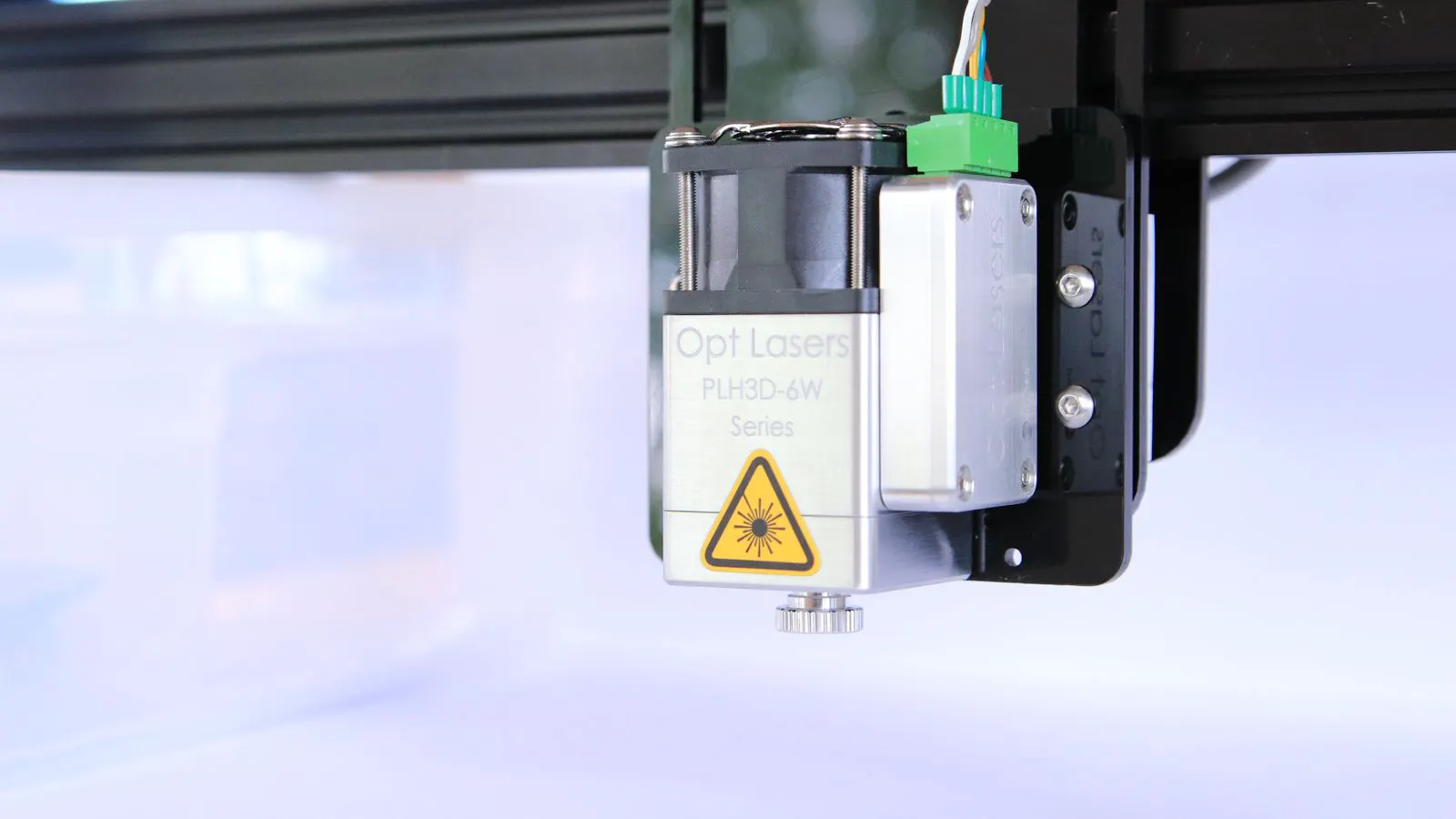
Hybrid spindles offer high torque for roughing and direct drive routers prioritize speed and precision. Choosing the right spindle power depends on your material, cut depth, and required finishing quality for your specific production needs.
- Hybrid spindles balance torque and speed, making them versatile for roughing and finishing.
- Direct drive routers eliminate belts, offering superior precision, rigidity, and lower maintenance.
- Spindle power selection must match the density of your material and the depth of your cuts.
- Higher RPM does not always equal better performance; torque and thermal management are equally critical.
- Consider future machine upgrades and tooling compatibility before finalizing your spindle choice.
Selecting the correct spindle for a CNC router is a decision that shapes the entire capability of your machine. While both hybrid and direct drive technologies are high-performance solutions, they approach the mechanics of spindle power from different angles. Understanding these differences helps professional buyers and engineers match the technology to their specific production requirements.
How Spindle Power Impacts Cutting Performance
Spindle power is not just a number on a datasheet; it is the engine of your cutting process. It determines how much material a tool can remove per minute and how stable the tool remains during the cut. A spindle with insufficient power will struggle with dense hardwoods or deep cuts, leading to deflection, burning, or tool breakage.
However, power must be paired with speed. In woodworking, the relationship between RPM and cutting speed is critical. A high-RPM spindle with low torque may spin easily in soft materials but stall when the load increases. A low-RPM spindle with high torque is excellent for heavy roughing but may struggle to achieve the smooth, fine surface finish required for decorative work. The goal is to find the sweet spot where the spindle can maintain its rated speed under full load without overheating or losing rigidity.
Hybrid Spindles: The Versatile Middle Ground
A hybrid spindle uses a belt or gear system to connect a high-RPM motor to the spindle nose. This design allows the motor to operate at its optimal efficiency while the tool head can be geared up or down for different tasks.
The primary advantage of a hybrid spindle is its flexibility. It typically offers a broader range of torque and speed than a single-technology system. This makes it a popular choice for shops that need to handle a variety of materials, from plywood and MDF to oak and maple. The gearing also provides a mechanical buffer, which can absorb some of the shock loads during roughing operations.
Because the motor is separate from the tool head, the spindle assembly is often lighter. This can be beneficial for machine designs that prioritize rapid axis movement. However, the presence of belts or gears introduces moving parts that require regular inspection and replacement. Over time, belt tension can change, and gear wear can introduce micro-vibrations, potentially affecting surface finish quality.
Direct Drive Routers: Precision and Rigidity
A direct drive router uses a motor that is integrated directly into the spindle nose or spindle housing. There are no belts, gears, or intermediate transmissions between the motor and the tool. This design eliminates friction points and allows for a more rigid connection between the power source and the cutting tool.
The key benefit of a direct drive system is its rigidity and precision. Without the compliance of a belt, the tool experiences less deflection, which translates to better dimensional accuracy and a smoother cut. This makes direct drive routers ideal for finishing operations, carving, and machining dense hardwoods where precision is paramount.
Direct drive systems also tend to be quieter and require less maintenance than hybrid systems. There are no belts to tension and no gears to lubricate. The motors are often designed with higher efficiency in mind, which can help with thermal management. However, because the motor is integrated into the head, the spindle assembly is typically heavier. This added mass can make the machine less responsive during rapid direction changes, which may impact the speed of complex contouring operations.
Comparing the Technologies
To help visualize the trade-offs, the following table summarizes the key characteristics of the two main spindle technologies.
| Option | Best for | Limitations |
|---|---|---|
| Hybrid Spindle | Shops needing versatility for roughing and finishing; general-purpose CNC routing. | Requires belt maintenance; slightly lower precision due to mechanical compliance. |
| Direct Drive Router | High-precision finishing; dense hardwoods; applications requiring low vibration and high rigidity. | Heavier spindle head; potentially lower acceleration for rapid axis movements. |
| High-Torque Hybrid | Heavy roughing in hardwoods; deep pocketing; high-load applications. | May have a narrower speed range optimized for torque rather than top RPM. |
| High-RPM Hybrid | Soft materials; fine finishing; high-speed contouring in plywood and MDF. | May struggle with deep cuts or dense woods if torque is insufficient. |
| Integrated Direct Drive | Premium finishing; intricate carving; applications where noise reduction is critical. | Higher initial cost; heavier assembly may limit machine agility. |
When to Choose a Hybrid Spindle
A hybrid spindle is the best choice when your operation involves a mix of tasks. If your shop does both roughing and finishing, or if you work with a wide variety of materials, the versatility of a hybrid system is hard to beat. It allows you to switch between high-torque settings for heavy cuts and high-speed settings for finishing without changing the entire machine.
Hybrid spindles are also a strong choice for budget-conscious buyers who still want high performance. They often offer a better balance of cost and capability compared to premium direct drive systems. If your machine design prioritizes lightweight gantries and rapid movement, the lighter weight of a hybrid spindle can be a significant advantage.
When to Choose a Direct Drive Router
A direct drive router is the superior choice when precision and consistency are your top priorities. If your work involves fine detailing, intricate carving, or machining dense hardwoods, the rigidity of a direct drive system will help you achieve better surface finishes and tighter tolerances.
Direct drive systems are also ideal for high-volume production where maintenance downtime is a cost. The elimination of belts and gears means fewer components that can fail or wear out. For shops that run long shifts, the lower maintenance requirements of a direct drive spindle can translate to more uptime and better overall productivity.
Thermal Management and Long-Term Performance
Regardless of the technology you choose, thermal management is a critical factor in maintaining spindle power and precision. Both hybrid and direct drive spindles generate heat during operation, and if this heat is not dissipated effectively, it can lead to spindle expansion, which affects alignment and surface finish.
Direct drive systems often have a slight advantage here because the motor and spindle are integrated, allowing for more efficient heat dissipation through the housing. However, hybrid spindles can also be designed with effective cooling systems, such as air cooling or water cooling, to manage heat. It is important to ensure that your chosen spindle has an adequate cooling system for the types of operations you will be performing.
Final Thoughts on Spindle Selection
Choosing between a hybrid spindle and a direct drive router is not about which is objectively better. It is about which technology best fits your specific needs. If you need versatility and a broader range of capabilities, a hybrid spindle may be the right choice. If you need precision, rigidity, and low maintenance, a direct drive router is likely the better option.
By carefully considering your material, your cut depths, and your required finishing quality, you can make an informed decision. Remember that spindle power is just one part of the equation. You must also consider the machine’s rigidity, your tooling, and your cooling systems to get the most out of your investment.
Frequently asked questions
What is the difference in maintenance between hybrid and direct drive spindles?
Hybrid spindles require regular inspection and replacement of belts and gears, while direct drive spindles have fewer moving parts and generally require less maintenance.
Can a hybrid spindle match the precision of a direct drive router?
While high-quality hybrid spindles can achieve very high precision, direct drive routers typically offer superior rigidity due to the elimination of belt compliance, which is advantageous for fine finishing.
Which spindle is better for roughing hardwoods?
A hybrid spindle with high torque is often better for roughing hardwoods, as it can handle the high loads required for deep cuts without stalling.
Do direct drive routers heat up faster than hybrid spindles?
Heat generation depends on the load and the cooling system. Direct drive motors may generate heat more efficiently, but both technologies require proper cooling to maintain performance.
Is it possible to upgrade a hybrid spindle to a direct drive system?
In most cases, replacing a hybrid spindle with a direct drive unit is not a simple upgrade. The machine's structure, mounting points, and cooling systems may need significant modifications.


