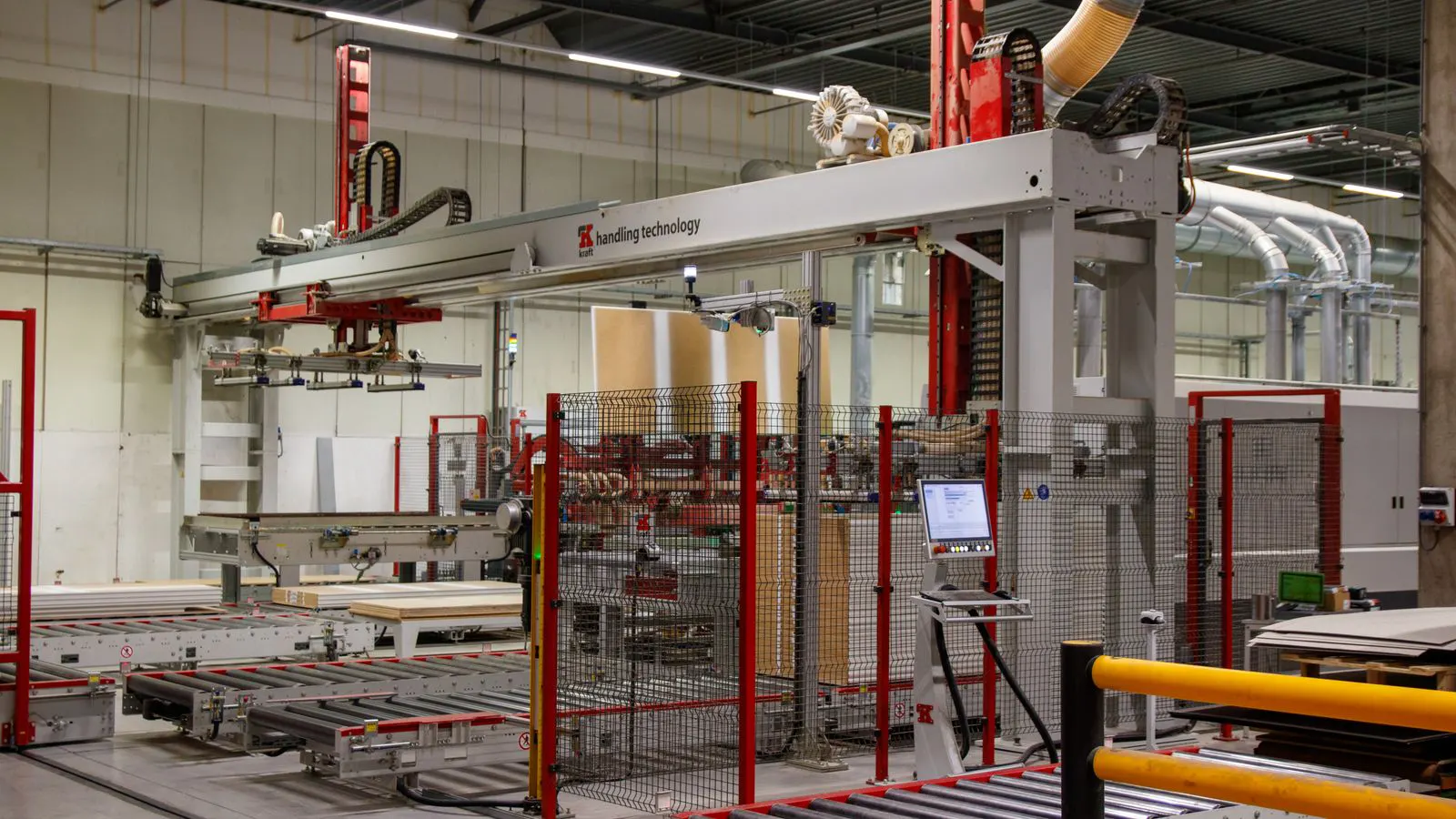
New vs used machine cost depends on total ownership. New equipment offers warranties and lower repair risk, while used stock reduces capital outlay. Evaluate maintenance, lead time, and resale value before committing to a woodworking equipment budget.
- New machines carry higher upfront cost but lower long-term repair risk and warranty coverage.
- Used equipment reduces initial capital needs but requires thorough inspection and higher maintenance planning.
- Total cost of ownership includes downtime, energy, spares, and resale value, not just the purchase price.
- Match the choice to your production cycle, skill level, and risk tolerance.
Why the Purchase Price Is Only Part of the Equation
Most buyers focus on the sticker price when comparing new vs used machine cost. That number tells you almost nothing about the next five years of operation. A used spindle may look half the price of a new unit, but if it fails during a tight delivery window, the repair bill and lost orders can erase the savings. The initial invoice is only the entry point into a much longer financial relationship. You are signing a contract with the machine, not just the dealer.
The real comparison is between total ownership and production reliability. You need to look at installation, maintenance, downtime, energy use, and what the machine will return to the market when you replace it. A cheap machine that stops twice a quarter is expensive. A pricier machine that runs quietly for two years is often the cheaper asset.
Consider a small cabinet shop that buys a used panel saw to save on capital. The saw works for six months. Then the blade guard mechanism sticks, or the fence drifts out of square. The shop spends two days fixing it, missing a delivery. The cost of that delay, plus the overtime to catch up, exceeds the price difference between the used saw and a new one. The sticker price ignored the operational reality.
You must also account for the learning curve. New machines often come with updated control interfaces that are easier to learn. Older machines may have legacy controls that require specific knowledge. If your operators are not familiar with the legacy system, setup times increase. More setup time means fewer cutting hours. Fewer cutting hours means lower revenue per shift.
How to Compare New and Used Woodworking Machinery
Before you talk to a dealer, build a simple cost model for each option. Use the same production scenario for both to keep the comparison fair. Do not compare a used machine against a hypothetical idealized new machine. Compare them against the same job mix.
- Define the job mix. List the parts, materials, volumes, and tolerances the machine must handle for one year. Include the types of stock, such as solid hardwoods, engineered panels, or veneered sheets.
- Estimate labor hours. A new machine may run faster, but a used one may need extra setup time. Include the time required to calibrate, zero axes, and test cuts.
- Add maintenance costs. Include filters, bearings, belts, and consumables. Do not forget lubricants and cleaning supplies.
- Budget for downtime. Price in hours lost for repairs, calibration, and operator training. Assign a dollar value to each hour of downtime based on your current production rate.
- Factor in energy and floor space. Larger or older machines may draw more power or need more clearance. Check the power requirements and the footprint against your floor plan.
| Option | Best for | Limitations |
|---|---|---|
| New machine | Shops needing warranty, low downtime, and predictable maintenance | Higher initial capital; longer lead time; limited negotiation on base price |
| Used machine | Tight woodworking equipment budget; flexible production; experienced in-house maintenance team | No warranty; hidden wear; higher inspection and repair risk; uncertain resale |
| Refurbished used machine | Buyers who want modern upgrades at a lower cost | Requires proof of refurbishment; parts sourcing may be limited |
| Rental or lease | Short production runs; testing a new process before buying | Higher per-unit cost over time; no asset ownership |
| Hybrid approach | Shops that buy new for core work and used for auxiliary tasks | Complex inventory and maintenance planning |
When building the model, be conservative with the new machine’s speed. Marketing materials often highlight maximum performance, not average performance. A new CNC router may claim a maximum feed rate, but it will run slower when cutting dense hardwoods or when using smaller bits. A used machine may have a lower maximum speed, but if it is well maintained, it can match the new unit’s effective speed for your specific job mix.
When Buying New Makes the Most Financial Sense
New equipment wins when your production schedule does not allow for surprises. If you run client work with fixed deadlines, a machine failure is not just a cost. It is a missed revenue event. It can damage your reputation with the client. A shop that misses a delivery date may lose the next three projects from that client.
New machines usually come with manufacturer support, documented calibration, and spare parts availability. The operator manual is current. The control system is updated. The warranty covers the period where most early-life failures appear. If a bearing fails in the first year, the warranty may cover the part and labor. That reduces the risk of a large unexpected expense.
For a shop adding a new CNC router or panel saw, the premium over used stock often pays for itself in reduced downtime. You are not just paying for the machine. You are buying the confidence that it will perform when the job is on the floor. You are also buying the ability to get support quickly. If something goes wrong, you can call the manufacturer or an authorized dealer. They will have parts and technicians ready.
Consider a shop that produces custom doors for a large hotel chain. The contract specifies a delivery date for each lot. If the CNC router breaks down, the shop misses the deadline. The contract may have penalty clauses. The penalty, plus the cost of expediting labor, can be significant. In this case, the new machine’s warranty and reliability are worth the premium.
New machines also tend to have better documentation. Service records are often digital and accessible. If you need to troubleshoot an error code, you can find the solution online or in the manual. For used machines, documentation may be incomplete or missing. That increases the time it takes to fix a problem.
When Used Stock Reduces Real Cost
Used woodworking machinery can be a strong fit when your budget is constrained but your maintenance capacity is solid. A used table saw or thickness planer from a reputable source may cost a fraction of a new unit. The wood is still good. The bearings may need attention, but the structure is sound. The used machine may have been well maintained by the previous owner, which extends its life.
The key is inspection. Do not buy based on a photograph. Check the spindle runout, the fence parallelism, the motor condition, and the electrical connections. Ask for service records. Test the machine under load if possible. Bring a multimeter and a dial indicator if you can. A multimeter can check for voltage drops and continuity. A dial indicator can measure runout and parallelism.
If you have an in-house technician, used stock is easier to manage. You can predict what needs replacing. You can schedule maintenance around production. The risk is lower when the failure mode is known and the fix is routine. For example, if you know the belt on a used planer is worn, you can replace it before you start production. That prevents a sudden failure.
Consider a shop that buys a used jointer. The jointer is a simple machine. It has a few moving parts. The previous owner kept it clean and lubricated. The blades are sharp. The machine works well. The shop saves money by buying it used. The technician knows how to adjust the gap and align the fences. The machine runs for years. This is a classic example of a good used purchase.
However, used stock is risky for complex machines. A used CNC router with a worn spindle bearing may not be worth the cost of repair. A used band saw with a misaligned wheel may require significant alignment work. The cost of these repairs can exceed the price difference between used and new.
Hidden Costs That Change the Comparison
The first year of ownership often reveals costs that were not obvious at purchase. A used machine may need a new V-belt, a motor capacitor, or a control board. These are small items individually, but they add up. A new machine may need a new filter or a software update. The cost is lower, but the time to install it may be higher if you need to order the update.
Energy use is another factor. Older machines often use less efficient motors. A used CNC with older spindles may draw more power per hour of cutting. If your shop runs long shifts, that difference shows on the utility bill. A new machine with a high-efficiency motor may save money over time. The savings may be small, but they add up.
Floor space and installation matter too. A new machine may require a new foundation, a dedicated circuit, or a compressed air line. A used machine may fit your existing space, saving on installation. But if the used unit is larger or heavier, you may need structural work that offsets the purchase savings. Check the machine’s weight and dimensions before you buy. If the floor cannot support the weight, you may need to reinforce it. That is a major cost.
Consider a shop that buys a used CNC router. The router is heavy. The floor in the corner of the shop is an older concrete slab. The slab cracks under the weight of the router. The shop must replace the slab. The cost of the slab replacement exceeds the savings from buying the router used. In this case, the hidden cost was the floor structure.
You should also consider the cost of moving the machine. If the machine is used and located far away, you may need to pay for shipping and installation. A new machine may be delivered to your door, but the delivery may still cost money. Check the total cost of getting the machine on your floor and ready to run.
How to Inspect Used Equipment Before Buying
Inspection is where the real value or loss appears. Bring a checklist. Do not rely on the seller’s description. The seller may not be honest, or they may not know the machine’s history. You need to verify the condition yourself.
Look at the spindle. Spin it by hand. Listen for roughness. Check for play in the bearing housing. A used CNC spindle with excessive runout will cut poorly and wear tooling faster. If the spindle has play, it may need new bearings. That is a major repair.
Check the drive system. Belts should be even in tension. Chains should move smoothly. Gears should mesh without noise. Worn drives lose precision and increase maintenance frequency. If the belts are cracked or frayed, replace them before you buy. The cost of new belts is small compared to the cost of a broken belt during production.
Examine the electrical cabinet. Look for heat damage, corroded terminals, and missing labels. A machine with a poorly maintained control system is a future repair. If the terminals are corroded, the machine may have had overheating issues. That can damage the control board. Ask the seller about any electrical problems.
Ask for the last service report. If the seller cannot provide it, treat that as a red flag. You are buying a history, not just a machine. A service report shows when the machine was last inspected and what was done. If the report is old or missing, the machine may have been neglected.
Consider a shop that inspects a used planer. The planer’s fence is not parallel to the table. The technician measures the gap at the front and back. The gap is not even. The planer needs alignment. The cost of alignment is low, but the time is high. The shop must stop production for a day to align the planer. That is a hidden cost.
Building a Woodworking Equipment Budget Around Risk
Your machinery purchase strategy should match your shop’s risk profile. A job shop with high-margin work cannot absorb a two-week downtime. A production shop with predictable volume may tolerate a short repair window. The risk profile depends on your clients, your contracts, and your production capacity.
Create a maintenance reserve before you buy. Set aside a percentage of the purchase price for the first year. If you buy new, that reserve may cover filters and minor spares. If you buy used, it should cover a larger repair buffer. The buffer should be enough to cover the most likely repairs. For a used machine, that might be a new spindle bearing, a new control board, or a new motor.
Consider resale value. New machines hold value better. If you need to sell within three years, the new unit will likely return more of its initial cost. Used machines lose value quickly, so the first owner eats most of the depreciation. If you buy a used machine, you are already eating the depreciation. The resale value may be low.
Consider the impact of the machine’s age on parts availability. Older machines may have parts that are no longer produced. If a part breaks, you may need to find a used replacement or have a custom part made. That can take time and cost more. A new machine has parts that are in production. They are available.
How to Calculate the Real Difference
To compare the options fairly, use a five-year ownership model. Add the purchase price, installation, training, energy, maintenance, downtime cost, and subtract the expected resale value. This model gives you a clear picture of the total cost of ownership.
For example, a new machine may cost more upfront but have lower annual maintenance. A used machine may cost less but need a larger repair budget. When you spread both over five years, the gap often narrows. Sometimes the used option still wins. Sometimes the new option is cheaper once downtime is priced in.
Do not guess the downtime cost. Use your actual production rate. If one hour of downtime costs five hundred dollars in lost work, then a three-hour repair is a two thousand dollar event. Multiply that by the expected number of failures over the ownership period. For a new machine, the expected number of failures may be low. For a used machine, it may be higher.
Consider the cost of training. New machines may require training for the new control system. Used machines may require training for the legacy system. The cost of training is often low, but the time is high. If you need to hire an outside trainer, the cost can be significant.
Final Decision Factors
The choice between new and used is not about which is cheaper on paper. It is about which fits your production cycle and your ability to manage risk. If your work is client-driven and deadlines are fixed, the reliability of a new machine is worth the premium. If you have a strong maintenance team and your work allows for flexibility, used stock can deliver strong value.
Review your budget, your skill level, and your production schedule. Then choose the option that keeps the machine running when the job is on the floor. The best machine is not the cheapest one. It is the one that fits your needs and your risk profile. It is the one that runs when you need it to run.
Frequently asked questions
Is a used woodworking machine always cheaper to run?
Not always. Used machines can have lower purchase cost but higher maintenance and downtime risk. The total cost depends on the machine's condition and your repair capacity.
What should I check before buying a used CNC router?
Check the spindle runout, the control system, the drive belts, and the electrical cabinet. Test the machine under load and ask for service records.
When does buying new save money over time?
New machines save money when downtime is costly and warranty coverage reduces repair risk. This is common in job shops with fixed client deadlines.
How much should I budget for maintenance on a used machine?
Set aside a larger reserve than for new equipment. A common practice is to budget for a higher first-year repair buffer and ongoing consumables.
Can a hybrid approach work for a small shop?
Yes. You can buy new for core production and used for auxiliary tasks. This balances capital cost with reliability where it matters most.