Modern factories are moving toward integrated automated edge finishing systems that combine banding, trimming, and finishing in single units. This shift reduces labor, improves finish quality, and allows for real-time quality control. Buyers should plan for digital connectivity, flexible material handling, and predictive maintenance capabilities.
- Automated edge finishing is moving from standalone machines to integrated, data-connected systems that manage the whole line.
- Buyers should prioritize machines with digital interfaces, remote monitoring, and flexible material handling for future-proofing.
- Quality control is shifting to real-time sensors and AI-assisted inspection rather than manual checks at the end of the line.
- Maintenance planning is changing from reactive fixes to predictive systems that alert operators to wear before failure.
- Standardization of data formats and machine-to-machine communication will become more common, simplifying integration with existing factory systems.
Where the Industry Is Heading Now
Edge banding has long been a standalone operation in woodworking factories. Machines handled one task: apply a strip, trim it, and move on. Today, that model is changing. The pressure to reduce labor costs, improve finish consistency, and handle diverse materials is pushing manufacturers toward integrated automated edge finishing systems. These systems do not just band edges. They coordinate cutting, gluing, trimming, sanding, and inspection in a continuous flow.
The shift is not about replacing human operators. It is about giving operators better information. Instead of relying on visual checks and guesswork, modern factories use sensors to monitor every panel as it moves. This changes how buyers evaluate equipment. The question is no longer just “Does this machine band edges?” It is “How well does this system integrate with my existing line and provide actionable data?”
The Rise of Integrated Production Cells
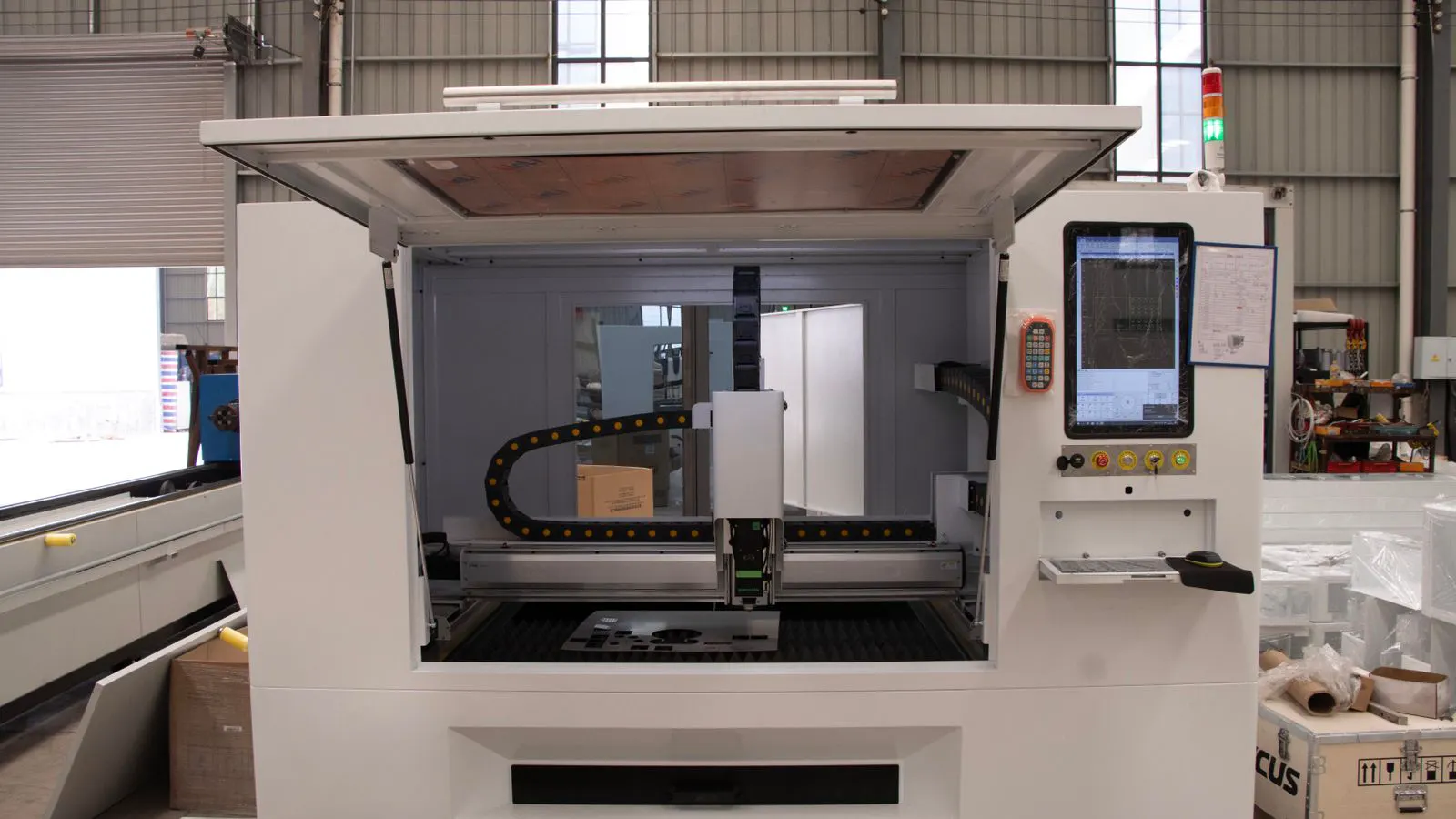
Standalone edge banders are still common, but they are increasingly part of larger production cells. A typical modern cell might combine a CNC router, a continuous edge bander, and a finishing unit. The banding machine feeds directly into the next stage, with minimal manual transfer. This reduces handling time and the risk of damage between operations.
Integration also means shared controls. An operator can adjust glue temperature, band width, and trim depth from one interface. This simplifies training and reduces setup time when switching between materials or product types. For factories running mixed production, this flexibility is a major advantage.
The integration trend is expanding to include other processes. Some systems now combine edge banding with face finishing, such as lacquering or coating. This creates a single point of control for the entire surface treatment. While not all factories can adopt fully integrated cells immediately, the direction is clear. Newer equipment is designed with connectivity in mind, even if the full integration is not yet in place.
Data-Driven Quality Control
Quality control is one of the biggest changes in automated edge finishing. Traditional inspection relied on operators checking a sample of panels after the line. This caught problems, but only after they had already occurred. Modern systems use real-time sensors to detect issues as they happen.
Optical sensors monitor the edge surface for voids, misalignment, or adhesive gaps. Laser scanners can measure edge dimensions with high precision. When a problem is detected, the system can flag the panel, adjust machine settings, or stop the line. This reduces waste and prevents defective products from moving to the next stage.
For buyers, this means evaluating machines on their diagnostic capabilities. A bander with basic sensors is useful, but one with data logging and trend analysis is more valuable long-term. The data helps identify patterns. If delamination appears after a certain shift or with a specific adhesive batch, the trend data makes it easier to trace the cause.
Predictive Maintenance and Uptime
Downtime is expensive in woodworking factories. An edge bander that stops unexpectedly can halt the entire line. Predictive maintenance is becoming a standard expectation for new equipment. Machines with built-in diagnostics can monitor motor load, belt tension, and heater performance. They can alert maintenance teams before a component fails.
For example, if the glue application nozzle shows a slight change in pressure over several days, the system can flag it for inspection. This prevents a complete failure that would require a full shutdown for repair. Predictive maintenance also extends the life of key components. Regular adjustments based on data reduce wear and tear.
Buyers should ask about the maintenance interface. Can the machine send alerts to a central dashboard? Does it provide historical data on component performance? These features are becoming differentiators between older and newer models. They reduce the burden on maintenance teams and improve overall equipment effectiveness.
Flexibility for Diverse Materials
Modern factories no longer produce a single product type. They run mixed production, handling different woods, veneers, and substrates. Automated edge finishing systems are adapting to this need. Newer machines offer faster changeovers and more flexible material handling.
Automatic band width adjustment is a key feature. Instead of manually changing the trim blade for each product width, the system can read panel dimensions from upstream sensors and adjust accordingly. This reduces setup time and the chance of misalignment. Glue application systems are also becoming more adaptive, adjusting flow rate based on material type and temperature.
For factories that use multiple adhesive types, such as hot melt and cold glue, integrated switching is becoming more common. Some systems can change adhesive without a full line stop. This is particularly useful for factories that run both production and custom work. The ability to switch quickly increases throughput and reduces idle time.
Connectivity and Factory Integration
The next major shift is in how edge finishing machines communicate with the rest of the factory. Modern systems use standard protocols to share data with production management software. This creates a unified view of the entire workflow.
For example, a production schedule can send panel dimensions and material types directly to the edge bander. The machine adjusts its settings automatically before the panel arrives. This eliminates manual data entry and reduces errors. The same data can flow to a central dashboard, giving managers real-time visibility into throughput and quality.
Integration also extends to supply chain management. If adhesive usage spikes unexpectedly, the system can flag it for review. This helps identify whether the increase is due to a change in production mix or a machine fault. Over time, this data supports better planning and procurement.
Buyers should consider how well a new machine integrates with existing systems. If the factory already uses a production management platform, compatibility is a key factor. Even if full integration is not possible today, machines with open data interfaces offer more flexibility for future upgrades.
Practical Preparation for Buyers
The shift toward automated edge finishing is not happening overnight. Most factories will adopt these changes gradually. However, buyers who plan ahead can avoid costly upgrades later. The table below outlines key areas to consider when evaluating new equipment.
| Preparation Area | What to Look For | Why It Matters |
|---|---|---|
| Data Integration | Open API, standard protocols, dashboard access | Enables future automation and remote monitoring |
| Sensor Suite | Optical, laser, temperature sensors | Improves real-time quality control |
| Changeover Speed | Automatic width adjustment, quick-change fixtures | Reduces downtime for mixed production |
| Maintenance Interface | Predictive alerts, historical logs | Minimizes unexpected downtime |
| Scalability | Modular design, upgrade paths | Allows incremental adoption of new features |
When evaluating machines, focus on the system, not just the hardware. A high-end bander that cannot share data with the rest of the factory may not deliver the expected benefits. Conversely, a mid-range machine with strong connectivity and diagnostic features can provide significant value over time.
What This Means for the Next Few Years
The direction of automated edge finishing is clear. The industry is moving toward smarter, more connected systems that handle the full finishing process with minimal manual intervention. This trend is driven by labor costs, quality demands, and the need for flexibility in mixed production.
For factories, the preparation is straightforward. Start with data connectivity. Ensure that any new machine can share information with existing systems. Invest in sensor capabilities that provide real-time feedback. Plan for predictive maintenance by building a process around the data the machine generates.
The goal is not to replace human expertise. It is to augment it. Operators will spend less time on manual adjustments and more time on problem-solving. Maintenance teams will shift from reactive fixes to proactive care. This creates a more efficient and reliable production environment.
The factories that prepare now will be in a strong position to take advantage of these developments. Those that wait will find that the gap between their systems and newer competitors widens. The investment in automated edge finishing is not just about upgrading a machine. It is about preparing the entire production line for the next phase of manufacturing.
Frequently asked questions
How long does it take to integrate a new automated edge finishing machine with existing factory systems?
Integration time varies based on the complexity of the existing setup. Simple connections with standard protocols may take a few days. Full integration with production management software can take several weeks.
Do I need a high-end machine to benefit from automated edge finishing?
No. Many mid-range machines now include basic sensors and data logging. The key is to prioritize connectivity and diagnostic features over premium hardware alone.
Can predictive maintenance replace scheduled maintenance?
No. Predictive maintenance complements scheduled maintenance. It identifies issues before they cause failure, but regular preventive maintenance is still necessary for optimal performance.
How does automated edge finishing affect labor costs?
It reduces the need for manual adjustments and inspection, but it does not eliminate the need for skilled operators. The role shifts from machine operation to data interpretation and problem-solving.
What is the most common mistake factories make when upgrading edge finishing systems?
Buying a machine without considering its integration with existing production management and data systems. This can limit the benefits of automation and create isolated systems.