Edge banding delamination usually stems from incorrect edge adhesive application, surface contamination, or improper machine settings. This guide walks through diagnostic steps, common symptoms, and corrective actions for operators and maintenance engineers to resolve adhesive failure.
- Check edge adhesive temperature and open time before every production run.
- Verify panel edge surface preparation, including sanding grit and dust removal.
- Inspect banding feed tension and pressure rollers to prevent mechanical lifting.
- Log all adjustments and material changes to trace recurring delamination issues.
- Use the correct edge adhesive type for the substrate and production speed.
Recognizing the signs of adhesive failure
Edge banding delamination appears when the strip separates from the panel edge. Common visual cues include lifting at the corners, bubbling under pressure, or a visible gap between the band and substrate. In high volume lines, small defects often escape inspection if they form near the panel edge or in low stress zones.
Operators should not assume every failure is a material issue. Machine settings, surface conditions, and ambient factors all affect how the edge adhesive bonds. A panel that fails after shipping may have been bonded correctly but stressed during transport. A panel that fails immediately after banding usually points to application or surface preparation problems.
The first diagnostic step is to isolate the failure type. Delamination from the substrate is one issue. Delamination within the edge adhesive layer is another. Peeling of the banding material itself can indicate a separate adhesive or mechanical problem. Distinguishing between these helps guide the corrective action.
Common symptoms and their likely causes
The table below lists typical symptoms seen on production lines, the probable causes, and the corrective actions to take.
| Symptom | Likely cause | What to do |
|---|---|---|
| Band lifts at panel corners or edges | Inadequate pressure at the first contact zone or insufficient edge adhesive coverage | Check pressure roller alignment and adjust pressure to match band width and material |
| Bubbling or voids under the band | Trapped air, moisture, or dust on the panel edge | Improve edge sanding, use compressed air or vacuum to remove dust, verify panel moisture content |
| Band peels along its length after curing | Edge adhesive temperature too low, open time exceeded, or wrong adhesive type | Verify hot melt or cold glue settings, check application nozzles, confirm adhesive is rated for the substrate and speed |
| Banding fails only on certain panel batches | Substrate surface variation, resin content differences, or inconsistent edge preparation | Request supplier data, adjust sanding profile, test adhesion with sample panels before full production |
| Delamination after transport or handling | Bond line too thin, mechanical stress during loading, or adhesive not fully cured | Increase adhesive thickness slightly, inspect handling equipment, extend cure time if process allows |
| Repeated failures at line start | Machine warm-up incomplete or adhesive not at stable temperature | Run a warm-up cycle, verify nozzle temperature before first panel, log start-up times |
Symptoms often overlap. A panel may show both corner lifting and central peeling. In those cases, start with the most common cause: surface preparation and edge adhesive application. If those checks pass, move to mechanical and environmental factors.
Verifying edge adhesive application
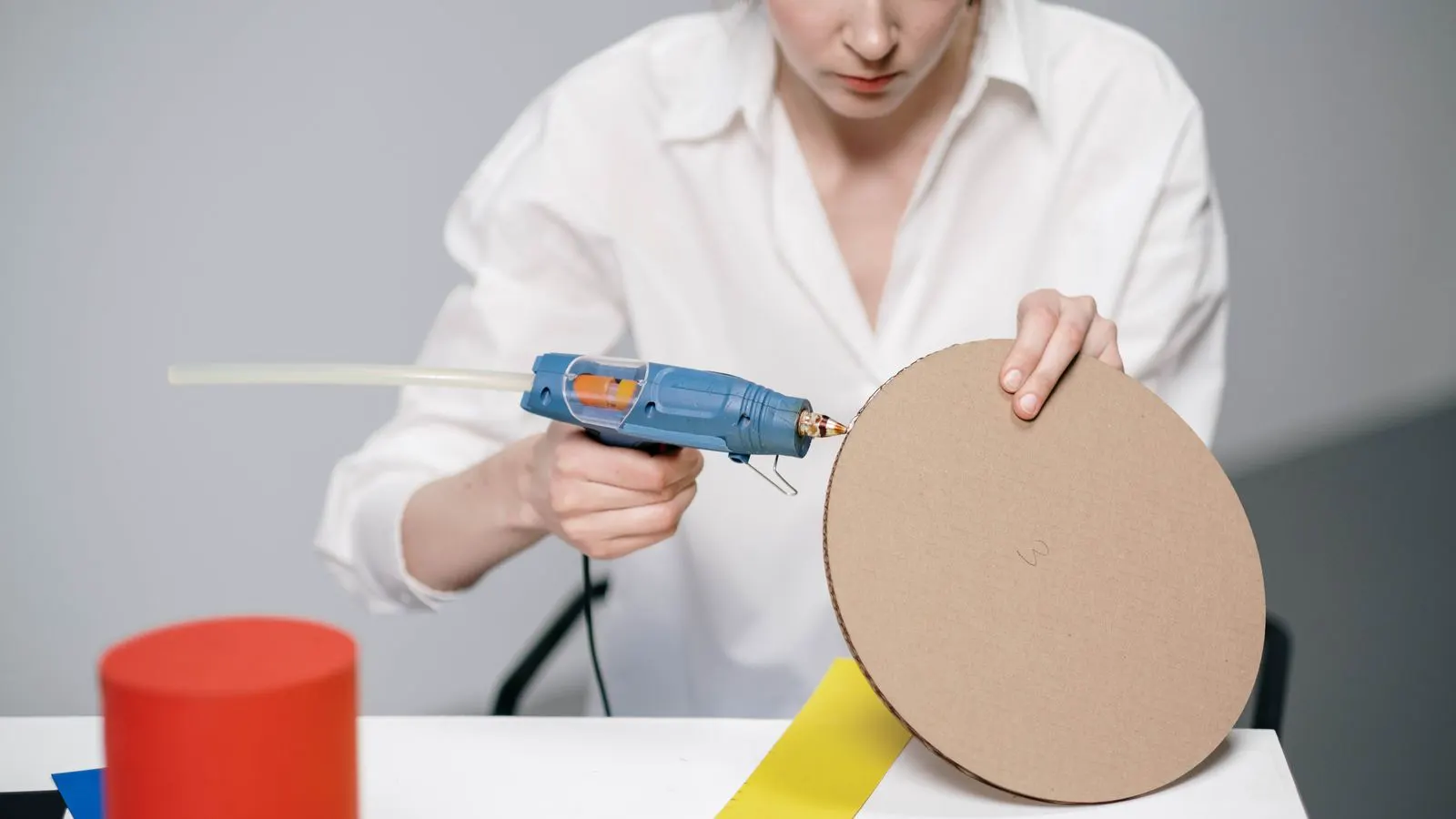
The edge adhesive is the bond. If the application is wrong, the band will not hold regardless of machine quality. For hot melt adhesives, temperature stability is the primary factor. Too low and the glue does not wet the surface. Too high and the glue can degrade or create weak spots.
Check the nozzle temperature at the point of application, not just at the heater block. Heat loss can occur along the line. Verify that the glue exits the nozzle at the recommended range for the adhesive type and production speed. If the line runs fast, the open time may be shorter than the adhesive can handle. In that case, increase temperature slightly or reduce speed.
For cold glue applications, the edge adhesive is often a solvent or water-based system that cures over time. The critical factor is coverage and substrate compatibility. An uneven bead will create weak points. A bead that is too thin will not bridge surface irregularities.
Inspect the banding material itself. A dirty or contaminated strip will reject the adhesive. Check for wax, oil, or dust on the band surface. Replace worn banding guides that create friction or drag.
Surface preparation and panel condition
The panel edge is the bonding surface. If the substrate is contaminated, the edge adhesive cannot form a reliable bond. Wood panels are porous and can hold dust, resin, or moisture. MDF and particleboard are especially sensitive to dust.
Edge sanding is the standard preparation step. Use a grit that leaves a clean, slightly roughened surface. Too coarse a grit can leave deep scratches that trap air. Too fine a grit may not provide enough mechanical interlock. The exact grit depends on the substrate and adhesive, but consistency matters more than the specific number.
After sanding, remove all dust. Compressed air works for light dust. Vacuum or brush methods are better for fine particles. A wet wipe can be used on some substrates, but the edge must be completely dry before banding. Moisture interferes with hot melt adhesion and can cause cold glue to fail.
Check the panel edge for splits, chips, or uneven thickness. A damaged edge will not accept the band evenly. Repair or reject panels that show edge damage before they reach the banding station.
Mechanical checks on the banding machine
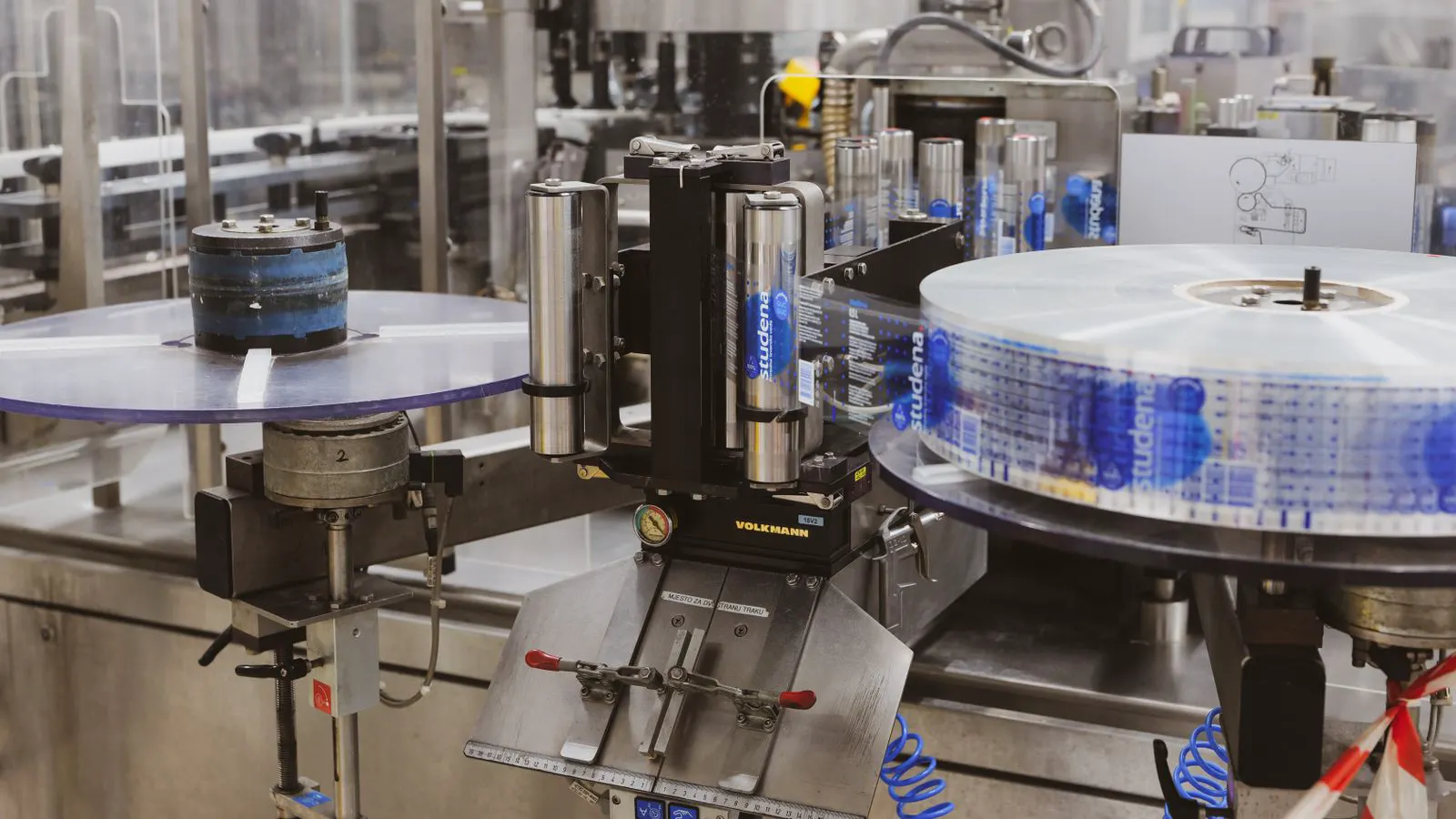
Machine mechanics affect how the band and panel meet. If the band is not held flat against the edge, the edge adhesive will not distribute evenly. Pressure rollers, guides, and feed systems must be aligned and in good condition.
Inspect the pressure rollers for wear, flat spots, or glazing. A glazed roller loses grip and can let the band slip. Replace or resurface rollers as needed. Check that the rollers are parallel and applying even pressure across the full width of the band.
Feed tension is another common issue. Too much tension can stretch the band before it contacts the edge. Too little tension can allow the band to bunch or fold. Adjust tension so the band approaches the edge flat and taut.
Verify that the banding machine is set for the correct band width and panel thickness. Many machines have multiple settings or presets. A mismatch between the band width and the pressure zone will cause uneven adhesion.
Environmental and process factors
Ambient conditions affect edge adhesive performance. Temperature and humidity influence how the glue cures and how the panel edge behaves. Low humidity can dry out the edge too quickly. High humidity can introduce moisture that weakens the bond.
Shop temperature should be stable during production. Sudden changes can cause the edge adhesive to cure unevenly. If the shop is cold, the glue may not reach the correct temperature before the band moves through the line. If the shop is hot, the open time may be shorter than expected.
Cure time matters. Some edge adhesives bond quickly, but the bond continues to strengthen over time. If panels are handled immediately after banding, the bond may not be strong enough. Extend the cure time if the process allows. For cold glue systems, this is especially important.
Prevention and routine checks
Prevention is more effective than fixing delamination after it appears. Build a routine inspection list into shift start-up. Check edge adhesive temperature, pressure roller condition, band tension, and edge sanding grit. Log the settings. If a failure occurs, the log helps trace the change that caused it.
Use sample panels at the start of each run. Band a small batch and inspect the edges for defects before releasing the full production run. This catches issues early and reduces waste.
Train operators on what to look for. A trained operator can spot a weak bond before it becomes a customer complaint. Encourage them to stop the line if they see repeated failures on consecutive panels.
Review material changes. If the panel supplier changes the substrate, or if the banding material source changes, run adhesion tests. A new material may look identical but perform differently in the bond line.
Keep the edge adhesive storage conditions correct. Hot melt adhesives should be stored at a temperature that keeps them fluid. Cold glue should be stored away from freezing and direct heat. A degraded adhesive will not bond properly, even if the machine settings are correct.
When to escalate the issue
Some delamination problems are not solved by machine adjustments. If the edge adhesive is the wrong type for the substrate, no amount of setting changes will fix the bond. If the panel edge is consistently contaminated at the source, the problem is upstream of the banding station.
In those cases, document the findings. Record the symptoms, the settings tried, the environmental conditions, and the panel and band samples. Provide this information to the adhesive supplier, banding manufacturer, or panel supplier. They may identify a compatibility issue or a material defect that is not visible on the machine.
Do not guess. Use the diagnostic steps above to narrow the cause. A clear record of symptoms and checks makes it easier to get a reliable answer from the supplier.
Frequently asked questions
How can I tell if delamination is caused by the edge adhesive or the machine?
Inspect the bond line. If the adhesive is thin, uneven, or absent, the problem is application. If the adhesive looks even but the band lifts mechanically, check pressure rollers and tension.
What is the most common cause of edge banding delamination on new machines?
Incorrect edge adhesive temperature or open time. New machines often come with default settings that do not match the specific adhesive or production speed.
Should I use hot melt or cold glue to prevent delamination?
Neither is universally better. Hot melt is common for fast lines. Cold glue offers longer open time and better control on some substrates. Choose based on panel type, speed, and cure requirements.
Can dust on the panel edge cause delamination?
Yes. Fine dust or moisture prevents the edge adhesive from wetting the substrate. Improve edge sanding and dust removal, and verify the edge is dry before banding.
How often should I replace banding machine pressure rollers?
Inspect them regularly. Replace or resurface them when you see wear, glazing, or flat spots. Worn rollers cause uneven pressure and weak bonds.