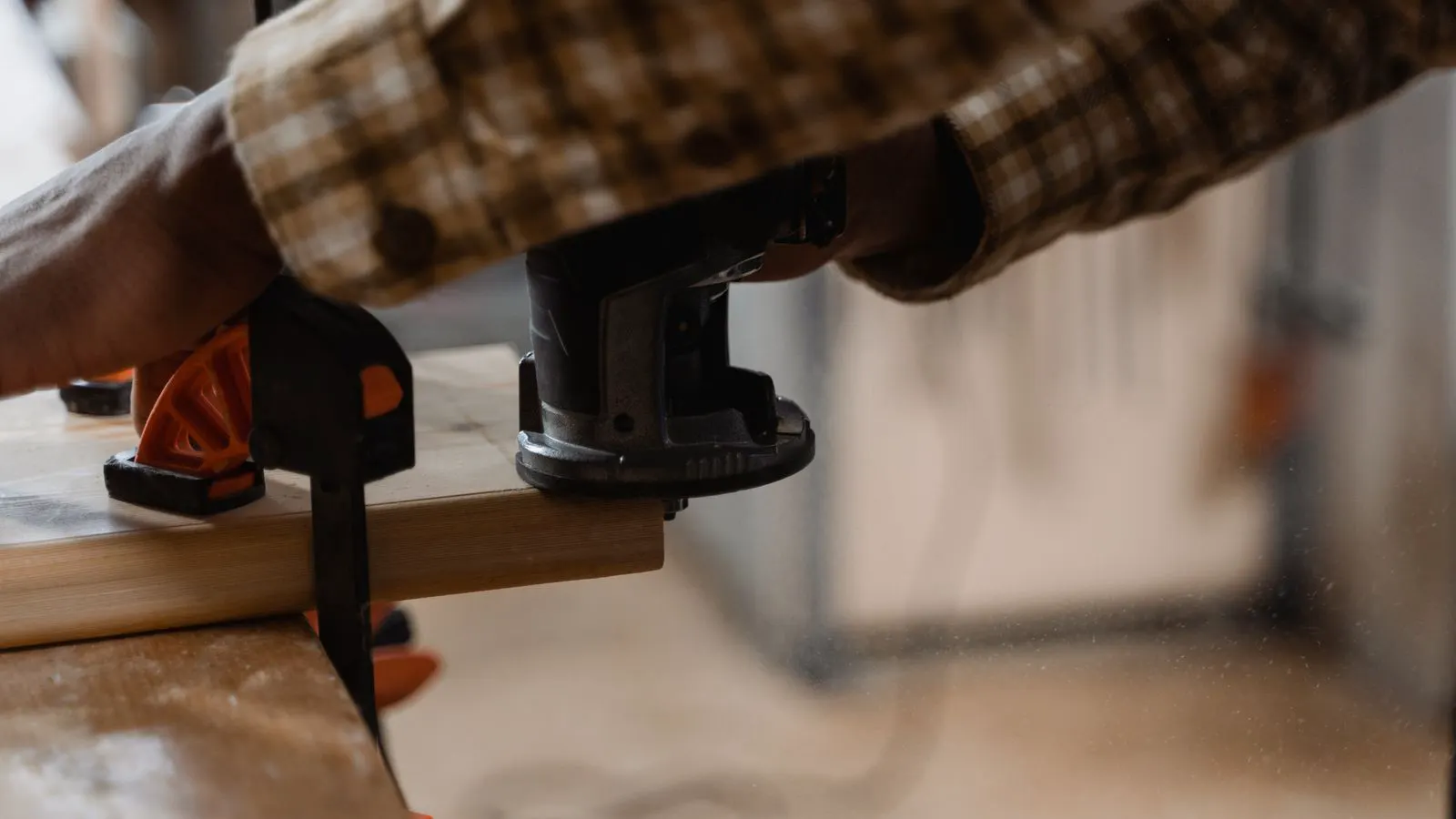
Selecting a cnc spindle requires balancing peak power, RPM range, and duty cycle. The right cnc router spindle matches cutting depth, material density, and continuous production load to avoid overheating and tool wear.
- Match spindle power to cutting depth and material density, not just the highest RPM number.
- Check the rated continuous power and duty cycle for long production runs.
- Verify the spindle speed range against the feed rates and tooling you plan to use.
- Confirm thermal protection and cooling methods to maintain consistent output over shifts.
What Power Rating Actually Means for a Cnc Spindle
A cnc spindle power rating tells you how much work the motor can deliver, but buyers often read it as a single number. In practice, power must be read alongside cutting depth, tool diameter, and the material being removed. A spindle that can spin a small carbide bit at high speed may bog down when cutting a large slot in dense hardwood. The relationship between voltage, current, and mechanical output is not always linear across the operating range.
Engineers evaluate the torque at the shaft, not just the horsepower figure. Torque determines whether the spindle can maintain speed when the tool encounters a hard pocket or a dense grain. If the torque drops, the controller slows the feed, cutting time rises, and the tool may chatter. The spindle motor draws current from the inverter. When that current approaches the limit, the drive reduces speed to protect the windings. This is why a machine can appear to have high horsepower but still struggle with a deep, wide cut in a dense board.
For solid wood, a spindle with adequate low speed torque handles deeper cuts better than a high speed only unit. For softwoods and thin materials, high RPM is more valuable. A typical production shop will use a spindle that covers both regimes. The goal is to avoid switching machines or tools just because the material changed. Consider the difference between a 1.5 hp spindle and a 3 hp spindle. The 1.5 hp unit may spin a 1/4 inch bit easily, but it will stall against a 3/4 inch bit in oak if the depth of cut is greater than a few millimeters. The 3 hp unit has more current margin, allowing the tool to bite into the wood without triggering the drive’s overcurrent protection.
How Speed Range Affects Tooling and Cut Quality
The speed range of a cnc spindle determines which tools work well. Small bits need high RPM to remove material efficiently. Large bits need lower RPM to keep the tip speed within safe limits. If the spindle cannot reach the required RPM, the cut becomes weak, the tool vibrates, and the finish suffers. Tip speed is the product of RPM and tool diameter. A 1/8 inch bit at 10,000 RPM has a different tip speed than a 1/8 inch bit at 4,000 RPM. The material needs a minimum tip speed to shear cleanly. If the speed is too low, the chip thickness falls below the effective cutting edge, causing rubbing rather than cutting.
A narrow speed range can force operators to choose between speed and quality. A broad range gives more flexibility. When selecting a cnc router, check the minimum and maximum RPM. Many production machines use variable frequency drives to adjust speed across a wide band. A spindle that only runs from 15,000 to 20,000 RPM is useless for 1 inch bits, which must run below 5,000 RPM to avoid dangerous tip speeds. Conversely, a spindle that tops out at 12,000 RPM will struggle with small 1/8 inch bits in softwoods, where 18,000 RPM or higher is often needed for a smooth finish.
Speed also affects tool life. Running a small bit too slow can cause heat buildup in the cutting edge. The heat discolors the carbide and dulls the edge quickly. Running a large bit too fast can overload the bearings. The spindle speed must match the tool diameter and the material. The controller often has a speed table, but the operator must still verify the settings for each material. A common mistake is leaving the default speed table in place for a new wood species. Pine and maple require different speeds even for the same tool size.
Duty Cycle and Continuous Load Capacity
Duty cycle describes how long a cnc spindle can run at full load without overheating. A spindle rated for short bursts is not suitable for a full shift of continuous cutting. Many small shop units are rated for intermittent use. Production lines need continuous or near continuous operation. The distinction between S1 and S3 duty cycles is critical for shop layout planning. An S3 spindle is designed for continuous operation, while an S3 spindle might be fine for batch production with regular breaks.
Look for the rated power at the continuous point, not just the peak. Some spindles list a peak power that is only available for a few seconds. The continuous rating is the number that matters for long runs. If the spindle thermal protection trips, the job stops, and the tool may have already degraded. A peak rating of 5 hp that is only available for 10 seconds is a marketing figure, not a production specification. The continuous rating of 3 hp is what determines your hourly output.
Duty cycle also affects maintenance. A spindle that runs continuously will wear its bearings and seals faster. The cooling method matters here. Air cooling is standard, but some high load applications use water cooling or forced air around the housing. The cooling system must be checked during operation, not just during a short test cut. A spindle that heats up slowly may seem fine after a five minute test, but it will exceed thermal limits after an hour of heavy cutting.
Matching Spindle Power to Material and Cutting Depth
Different materials require different power levels. Softwoods like pine and spruce are easy to cut, but dense hardwoods like oak and maple demand more torque. Exotic hardwoods can be harder still, especially if they contain mineral deposits or high density grain. The density of the wood, measured in pounds per cubic foot, correlates with the force required to shear the fibers. A 3/4 inch bit in pine may draw 2 amps. The same bit in a dense hardwood may draw 6 amps. If the spindle motor is rated for only 4 amps continuous, it will overheat.
Cutting depth is the other major factor. A shallow surface pass uses less power than a deep pocket or a through cut. A cnc router that is matched for deep cuts may be overpowered for shallow finishing passes. That can lead to vibration and poor surface quality. Overpowering a spindle for a light pass can cause the tool to dig in unevenly, especially if the machine’s table or gantry has some flex. The cutter wants to take the material, but the structure resists. The result is a wavering cut and a poor surface finish.
The best practice is to define the jobs first. List the materials, the maximum cut depth, the tool sizes, and the expected production volume. Then select a cnc spindle that covers the worst case. A machine that is slightly overpowered for the average job will still handle the heavy jobs without losing speed. For example, if you cut mostly 1/4 inch bits in plywood, but occasionally need to clear a 3/4 inch pocket in oak, choose a spindle that can handle the oak pocket at full depth. Do not choose the smallest spindle that can cut the plywood.
Thermal Management and Bearing Life
Spindle bearings are the most wear sensitive part of the unit. High speed rotation creates heat, and heat shortens bearing life. The spindle housing must dissipate that heat without letting the cutting edge overheat. The bearing life is calculated based on the load and the speed. A higher speed increases the centrifugal force on the balls or rollers, which increases the load on the contact points. This reduces the number of revolutions the bearing can endure before fatigue failure.
Water cooled spindles offer better heat control for long runs. They are more expensive and require a cooling loop. Air cooled spindles are simpler and cheaper, but they may struggle in hot workshops or during long continuous cuts. A water cooled spindle maintains a constant internal temperature, which keeps the bearing expansion and the motor windings within their optimal range. An air cooled spindle in a 90 degree Fahrenheit workshop may see its windings exceed the insulation class limit after a long job.
Check the bearing type and the lubrication method. Some spindles use grease packed bearings, others use oil. The lubrication interval matters for uptime. A spindle that requires frequent greasing can slow down production if the team is not trained. Oil lubricated bearings often have a longer life and can handle higher speeds, but they require a pump and a filter. Grease packed bearings are sealed for life in many designs, but they cannot be topped up if the grease is lost.
Bearing life also depends on the load. A spindle that is constantly at maximum power will wear faster than one that is loaded at seventy percent. This is another reason to size the machine above the average job. The margin protects the bearings and keeps the cutting quality consistent. If the spindle is always running at its limit, the thermal and mechanical stress compounds over time. The failure usually does not happen all at once. The bearing starts to heat, the motor draws more current, the speed drops, and the cut quality degrades before the bearing finally fails.
Spindle Selection Criteria Table
| Criterion | What to look for | Why it matters |
|---|---|---|
| Continuous power rating | Rated watts or horsepower at continuous load | Determines how long the spindle can run without thermal shutdown |
| Speed range | Minimum and maximum RPM | Affects tool selection and cut quality across materials |
| Torque at low speed | Low speed torque curve or data sheet | Needed for deep cuts and dense hardwoods |
| Bearing type | Oil or grease, sealed or open | Affects maintenance frequency and service life |
| Cooling method | Air, water, or forced air | Controls heat build up during long production runs |
| Duty cycle | Intermittent or continuous rating | Must match the expected production schedule |
A Numbered List for Spindle Evaluation
- List the materials you will cut and note the densest hardwood.
- Determine the maximum cut depth and the largest tool diameter you will use.
- Check the spindle speed range against the required tool speeds.
- Verify the continuous power rating, not just the peak rating.
- Confirm the bearing type and the recommended lubrication interval.
- Check the cooling method and the thermal protection settings.
- Test the spindle under load with a representative material.
- Monitor the spindle temperature and current draw during a full job.
Final Decision Checklist
Before buying a cnc router, run through this list. The spindle is the heart of the machine, and a poor match will limit the whole system.
- Does the continuous power rating cover the densest material and deepest cut?
- Does the speed range cover the smallest and largest tools in your tool library?
- Is the duty cycle suitable for your production schedule?
- Is the cooling method appropriate for the ambient temperature and run time?
- Are the bearings sealed and easy to service?
- Does the spindle have thermal protection and current monitoring?
- Have you tested the spindle under load with your actual material?
If the answer is no to any of these, ask the supplier for a revised configuration or a different machine. A cnc spindle that is too small will limit output and increase tool wear. A cnc spindle that is too large may add cost without benefit. The goal is a match that keeps the machine running at full speed without overheating.
Frequently asked questions
What is the difference between peak power and continuous power for a cnc spindle?
Peak power is the maximum output for a short time. Continuous power is the output the spindle can maintain for long periods. Production work requires the continuous rating.
How do I know if my cnc spindle is underpowered for a job?
Watch for speed drop, increased current draw, and a rough cut. If the controller slows the feed or the tool vibrates, the spindle may be underpowered.
Does a higher RPM always mean a better cnc router?
No. High RPM is useful for small tools and fine cuts, but deep cuts in dense wood need torque. The speed range and torque curve matter more than the top speed alone.
What cooling method is best for long production runs?
Water cooling gives better temperature control for long runs. Air cooling is simpler but may need more frequent thermal breaks in hot environments.
Should I buy a cnc spindle with a wider speed range even if it costs more?
If your tool library includes both small and large bits, a wider range reduces the need to change tools. It also gives more flexibility for different materials.


