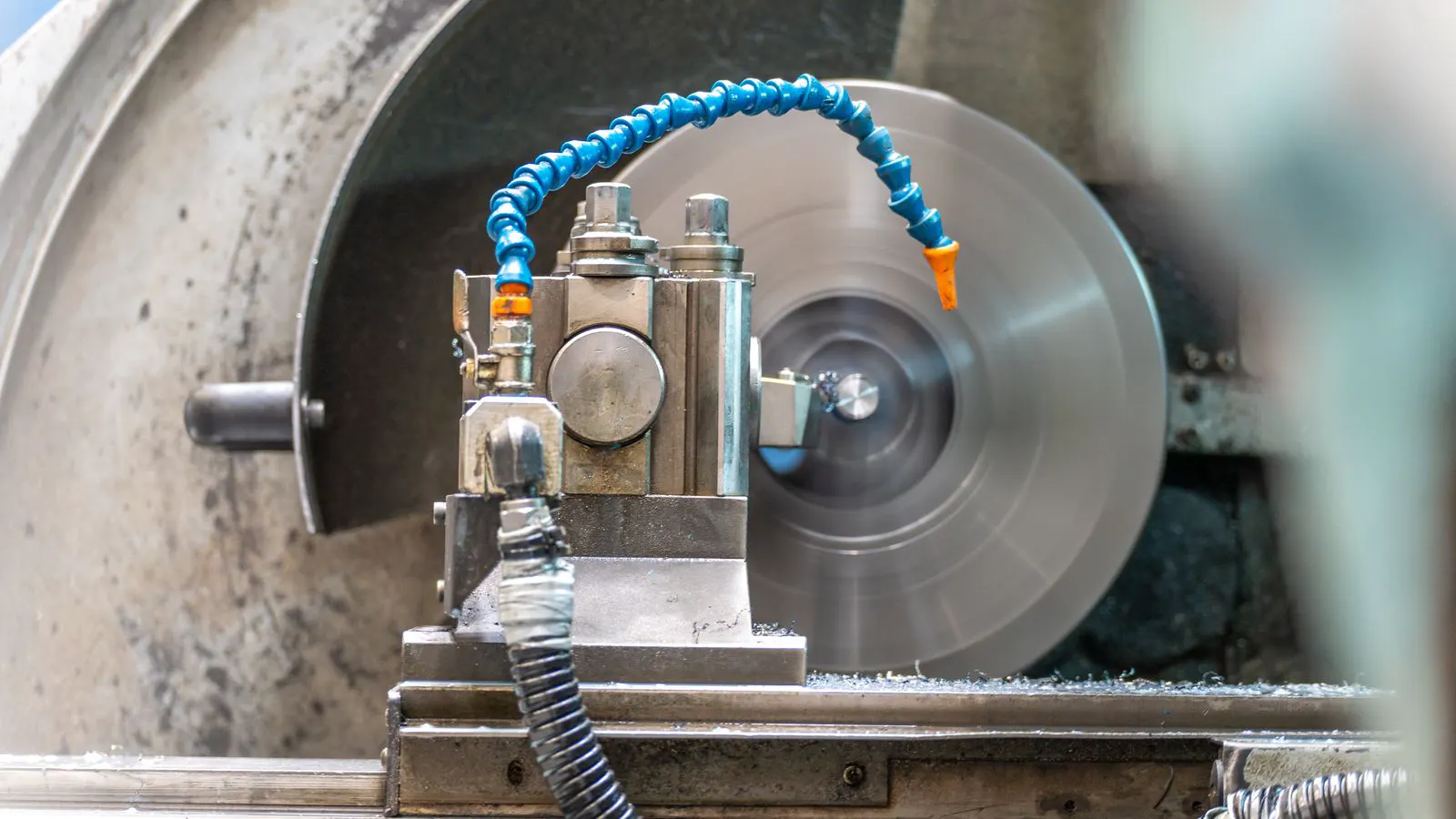
A used cnc spindle can save a budget shop significant money if the buyer verifies bearing health, thermal performance, and motor integrity. This guide outlines the specific tests and documentation required to assess risk.
- A used cnc spindle is a viable option if the seller provides bearing replacement records and thermal test data.
- Always test the spindle at full RPM and full load to detect early bearing failure or unbalanced shafts.
- Verify the warranty terms, as refurbished units often come with shorter coverage than new equipment.
- Budget for potential installation issues, such as adapter fittings or spindle motor controller upgrades.
Does a Used Spindle Deliver Reliable Performance?
A used cnc spindle can be a cost-effective solution for shops that need high-speed cutting without the capital outlay of a new machine. The risk, however, lies in the hidden wear of internal components. A spindle that cuts well at low RPMs may fail under sustained load.
The core issue is bearing life. Bearings are the most expensive and wear-sensitive part of a spindle. If the previous owner pushed a spindle beyond its rated duty cycle, the raceways may show microscopic damage that is not visible without a borescope. This damage leads to increased vibration and rapid heat buildup during production runs.
Evaluating a used unit requires moving beyond visual inspection. You need to verify the mechanical health of the shaft, the electrical integrity of the motor, and the condition of the cooling system. If these elements are sound, the unit can perform comparably to a new one.
What Is Cnc Spindle Refurbishing and How Does It Affect Value?
Cnc spindle refurbishing involves disassembling the unit to replace worn components, typically the bearings, seals, and cooling nozzles. A quality refurbisher also measures the runout of the shaft and checks the motor windings for resistance.
The value of a refurbished spindle depends heavily on the quality of the service. A basic service might replace only the seals and bearings. A full overhaul includes balancing the rotor, checking the coupling, and testing the thermal performance over several hours.
Buyers should ask for the refurbishing report. This document should list the part numbers of the bearings installed and the results of the balancing test. If a seller cannot provide this documentation, the unit carries higher risk. You are essentially buying a black box.
The cost of cnc spindle refurbishing varies based on the spindle type and the extent of damage. A high-speed spindle with a damaged rotor may cost more to fix than to replace. In these cases, it is often better to buy a used unit with a full warranty from a reputable dealer.
How Should You Test a Spindle Before Purchase?
Do not rely solely on the seller’s demonstration. You must run the unit yourself. The test should cover the full speed range and include a load test.
Start by powering the spindle and listening to the noise profile. A healthy spindle runs smoothly. A grinding or whining sound indicates bearing wear or lack of lubrication.
Next, measure the runout with a dial indicator. Place the indicator on the tool holder or a test bar. The reading should be within the manufacturer’s specification. A high runout causes vibration and poor surface finish.
Then, run the spindle at its maximum rated RPM. Monitor the temperature with an infrared thermometer. The temperature should rise steadily and stabilize within a reasonable range. A sudden spike suggests a cooling issue or a failing bearing.
Finally, apply a cutting load. Use a standard test bar or a piece of hardwood. Cut a small pocket and observe the vibration. The tool should not chatter. If the machine shakes, the spindle is not balanced or the bearings are worn.
Key Criteria for Evaluating a Used Unit
The table below lists the critical criteria to check. Use this as a checklist during your inspection.
| Criterion | What to look for | Why it matters |
|---|---|---|
| Bearing Condition | Replacement records, smooth noise, low runout | Bearings determine lifespan and cutting quality |
| Thermal Performance | Stable temperature at max RPM | Overheating causes premature failure and warping |
| Motor Integrity | No burnt smell, good insulation resistance | Motor failure can destroy the entire spindle assembly |
| Cooling System | Clear nozzles, strong airflow | Proper cooling extends bearing life and maintains accuracy |
| Warranty Terms | Length of coverage, parts and labor included | Protects your investment if the unit fails early |
How Does This Compare to a New Spindle?
A new spindle offers peace of mind. You get a full warranty, guaranteed performance, and the latest technology. However, the cost is high.
A used cnc spindle offers a lower entry price. You save capital, which you can redirect to tooling or other shop upgrades. The trade-off is risk. You are buying past usage into the future.
For budget cnc buying, a used spindle is often the smartest move. Many shops do not run their equipment at full capacity. A used spindle can easily handle 60 to 80 percent of its rated duty cycle. This makes it a reliable workhorse for small batch production or custom work.
However, if your shop runs 24 hours a day, five days a week, the risk of failure is higher. The downtime cost may outweigh the savings. In this scenario, a new unit or a high-quality refurbished unit with a long warranty is a better fit.
What Are Common Mistakes Buyers Make?
The most common mistake is skipping the load test. A spindle may run perfectly at idle but fail under load. Always test with a cutting tool engaged.
Another mistake is ignoring the cooling system. A clogged or weak fan can cause the spindle to overheat. This damage is often hard to repair.
Buyers also underestimate the cost of installation. A used spindle might not fit your existing machine. You may need adapters, new tool holders, or a different controller. Factor these costs into your budget.
Finally, do not buy from a seller who is vague about the history. If they cannot tell you how the spindle was used, how many hours it ran, or when the last service was performed, walk away.
Closing Decision Checklist
Before you sign the purchase agreement, confirm the following:
- You have received the refurbishing report and bearing part numbers.
- You have tested the spindle at max RPM and under cutting load.
- You have measured the runout and it is within specification.
- You have checked the cooling system and verified airflow.
- You have reviewed the warranty terms and understand what is covered.
- You have calculated the total cost, including installation and potential upgrades.
If you can check all these boxes, you are ready to proceed. If any item is missing, negotiate a price reduction or walk away. A used cnc spindle is a tool for efficiency. Do not let a bad purchase turn into a liability.
Frequently asked questions
How long does a used cnc spindle typically last?
It depends on the previous usage and the condition of the bearings. A well-maintained spindle can last several years, but you should expect a shorter lifespan than a new unit.
Can I get a warranty on a used spindle?
Yes, many reputable dealers offer warranties on refurbished or used spindles. The length varies, but it is usually shorter than a new unit warranty.
What is the difference between a refurbished and a used spindle?
A refurbished spindle has been professionally serviced and had worn parts replaced. A used spindle may have been serviced by the previous owner or not at all. Refurbished units carry less risk.
Do I need a special controller for a used spindle?
Usually, no. Most spindles are compatible with standard controllers. However, you should verify the voltage, power rating, and connection type to ensure compatibility with your machine.
Is it worth buying a used spindle for a small shop?
Yes, for many small shops, a used spindle provides a good balance of cost and performance. Just be sure to verify the condition and test the unit thoroughly before purchase.


