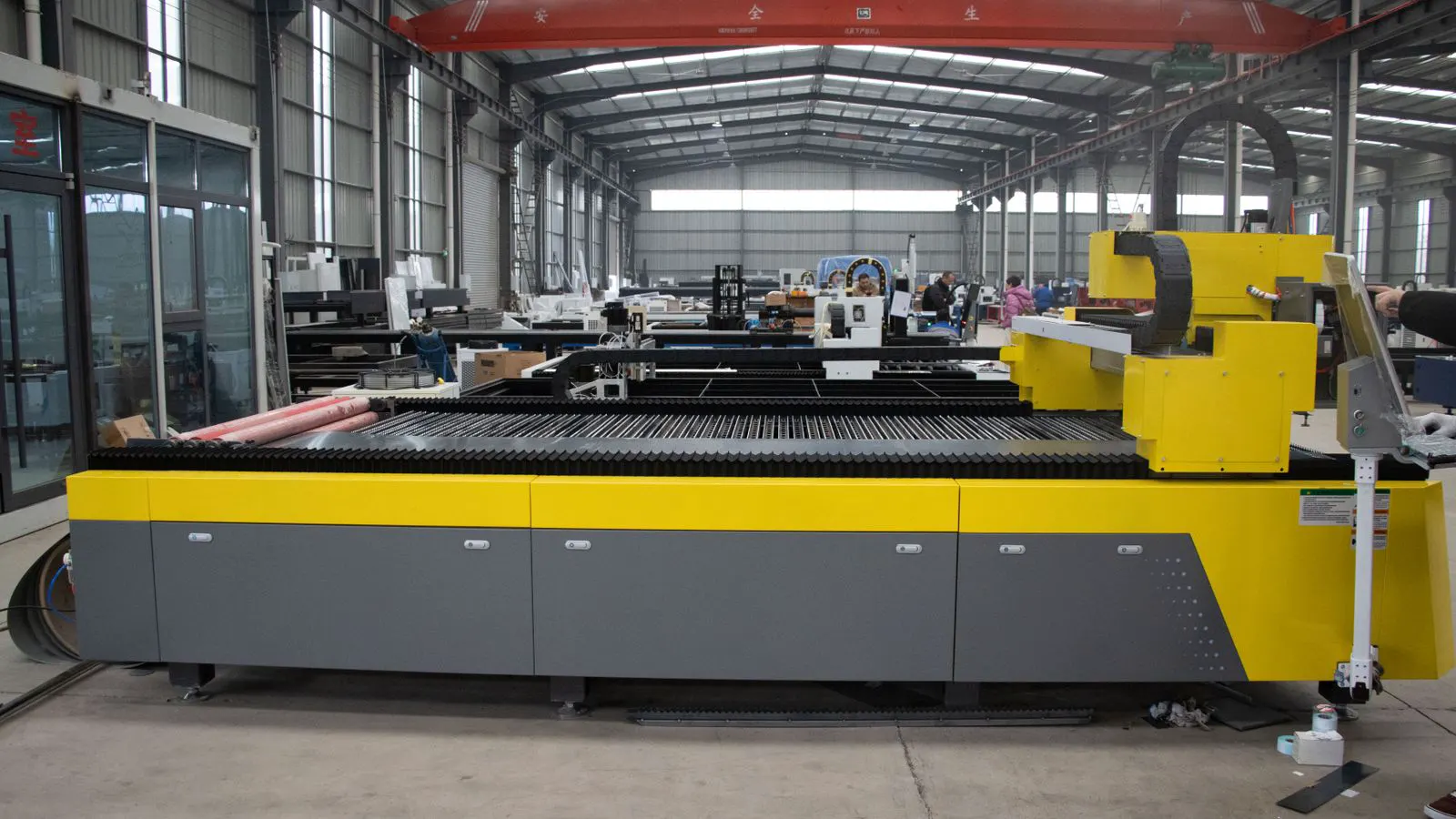
To calculate CNC router ROI, divide annual revenue gains and labor savings by the total cost of ownership. This includes the machine price, installation, tooling, and maintenance. A clear payback period helps justify machine budgeting and ensures the investment aligns with production goals.
- Calculate total cost of ownership including machine price, installation, tooling, and training.
- Identify revenue drivers such as increased capacity, higher margin products, and labor savings.
- Use a simple payback period formula to estimate how quickly the machine recovers its cost.
- Build a machine budgeting plan that accounts for lead times, financing, and operational risks.
- Compare quotes fairly by normalizing specifications and total cost of ownership, not just sticker price.
Why Calculate Equipment ROI for CNC Routers?
New CNC routers are major capital investments for woodworking operations. The price can vary widely based on size, spindle power, control systems, and automation features. Before purchasing, buyers need a clear way to measure the value of the machine.
Equipment ROI helps you understand how long it will take to recover the initial investment. It also supports machine budgeting by linking the purchase to specific production goals. This approach keeps the decision grounded in real operational data rather than assumptions.
A well-structured ROI analysis also helps when comparing quotes from different suppliers. It forces you to look beyond the sticker price and consider the full cost of running the machine.
How to Define Total Cost of Ownership
The first step in calculating payback period is determining the true cost of the machine. Many buyers focus only on the base price, which can lead to an incomplete picture.
Total cost of ownership includes several key elements:
- Machine price: The base cost of the CNC router, including any selected options such as a larger bed, additional spindles, or a built-in dust collection system.
- Installation and setup: Shipping, unloading, floor preparation, electrical upgrades, and on-site commissioning.
- Tooling and consumables: CNC bits, vacuum nozzles, belts, and other items that wear out during production.
- Training: Time and cost for operators to learn the CAM software and machine interface.
- Maintenance and service: Annual service contracts, spare parts, and unplanned repairs.
- Software and licenses: CAM software, post-processor fees, and any cloud-based connectivity packages.
When you sum these items, you get a much more realistic baseline. This total is the denominator in your ROI formula.
Identifying Revenue and Cost Drivers
Once you know the total cost, you need to estimate the financial benefits. These benefits usually fall into two categories: increased revenue and reduced costs.
Increased revenue can come from:
- Higher production volume: A CNC router can often cut parts faster than manual methods, allowing you to take on more jobs.
- New product lines: Some machines enable complex profiles or 3D carving that were not feasible before.
- Better quality: Consistent accuracy can reduce rework and scrap, which indirectly supports higher margins.
Reduced costs can come from:
- Labor savings: If the machine replaces one or more manual operations, you save on direct labor hours.
- Energy efficiency: Modern CNC routers with variable-speed spindles can use less power per part.
- Material utilization: Advanced nesting software can reduce offcuts, lowering material waste.
It is important to be conservative with these numbers. Overestimating revenue or underestimating labor savings will make your payback period look shorter than it really is.
How to Calculate Payback Period and Equipment ROI
The payback period is the time it takes for the machine to generate enough cash flow to cover its total cost. It is a simple and widely used metric.
The basic formula is:
Payback Period (years) = Total Cost of Ownership / Annual Net Cash Flow
Annual Net Cash Flow = (Annual Revenue Increase + Annual Cost Savings) – Annual Operating Cost Increase
For example, if a machine costs 80,000 in total ownership costs and it generates 20,000 in additional net cash flow each year, the payback period is four years.
Equipment ROI is often calculated over a longer horizon, such as five or ten years. This gives a fuller picture of the machine’s value.
ROI (%) = (Total Profit over Period – Total Cost) / Total Cost × 100
When evaluating a new CNC router, it is useful to run the numbers under different scenarios. A base case, an optimistic case, and a conservative case will help you understand the risk range.
How to Build a Machine Budgeting Plan
A machine budgeting plan goes beyond the purchase price. It should align the machine’s capabilities with your actual production schedule.
When budgeting, consider the following:
- Utilization rate: How many hours per week will the machine actually run? If your order flow is seasonal, do not assume full utilization for the entire year.
- Lead times: Delivery times for CNC routers can vary. Factor in lead time into your cash flow plan so you are not surprised by a delayed arrival.
- Financing options: If you are leasing or financing, the monthly payment structure will affect your cash flow. Compare the total cost of financing against paying cash.
- Contingency: Add a buffer for unexpected costs, such as a larger electrical upgrade or a custom fixture.
A clear budgeting plan also helps you compare quotes fairly. If one supplier offers a lower price but a longer lead time or higher installation cost, the total budget may end up similar.
How to Compare Quotes Fairly
When you receive quotes from multiple suppliers, do not rely on the headline number. Instead, normalize the comparison so you are evaluating similar packages.
Use a table to track the cost drivers. This makes it easier to see where differences come from.
| Cost Driver | Supplier A | Supplier B | Supplier C |
|---|---|---|---|
| Base Machine Price | 45,000 | 48,000 | 42,000 |
| Spindle Option | 5,000 | 0 | 3,500 |
| Bed Size Upgrade | 0 | 4,000 | 0 |
| Installation | 3,000 | 3,500 | 2,500 |
| Tooling Kit | 2,500 | 3,000 | 2,000 |
| Total First-Year Cost | 55,500 | 58,500 | 48,000 |
In this example, Supplier C has the lowest first-year cost, but you must verify that the machine meets your technical requirements. A lower cost that forces you to limit your production capabilities can hurt your equipment ROI.
Always ask for a detailed breakdown. If a quote lumps costs together, request a line-item estimate. This transparency helps you spot hidden fees and make a fair comparison.
Common Mistakes to Avoid
When calculating equipment ROI, several errors can skew the results.
- Ignoring downtime: If the machine is expected to run 50 hours a week but your operations only support 35 hours, your revenue estimate will be too high.
- Excluding software costs: CAM software and post-processors can add significant annual expenses.
- Assuming zero scrap reduction: If the machine improves quality but you do not quantify the waste reduction, you underestimate the benefit.
- Forgetting training: If operators need two weeks of training, that is lost production time.
- Using static numbers: If your material costs or labor rates are expected to change, update your model accordingly.
A realistic model is always better than a perfect one. The goal is to make a defensible business case that reflects your actual operating environment.
Final Thoughts
Calculating equipment ROI for a CNC router is a practical exercise that helps you make a confident purchase decision. By defining total cost of ownership, identifying clear revenue and cost drivers, and building a conservative payback period, you can see whether the machine fits your financial goals.
Use machine budgeting to align the investment with your production plan. Compare quotes using a standardized table so you are not misled by a low sticker price. With a clear method, you can move from guesswork to a data-driven decision.
The right CNC router can transform your workshop. The right ROI analysis ensures it pays off.
Frequently asked questions
What is a typical payback period for a CNC router?
There is no single standard, as it depends heavily on your production volume, labor costs, and the specific machine features. Many woodworking operations target a payback period of three to five years, but you should calculate it based on your own data.
How do I estimate the labor savings from a CNC router?
Track the number of hours a part takes to make manually versus the time the CNC router requires. Multiply the difference by your loaded hourly labor rate to estimate the savings.
Should I include software costs in my ROI calculation?
Yes. CAM software, post-processors, and any required training are ongoing costs that directly impact your annual net cash flow.
How does machine budgeting differ from a simple price comparison?
Machine budgeting looks at the total cost of ownership over time, including installation, tooling, and maintenance, while a simple price comparison only looks at the initial purchase price.
What if my order flow is seasonal?
Adjust your annual net cash flow to reflect your average production across the year, not just your peak season. This prevents you from overestimating your payback period.


