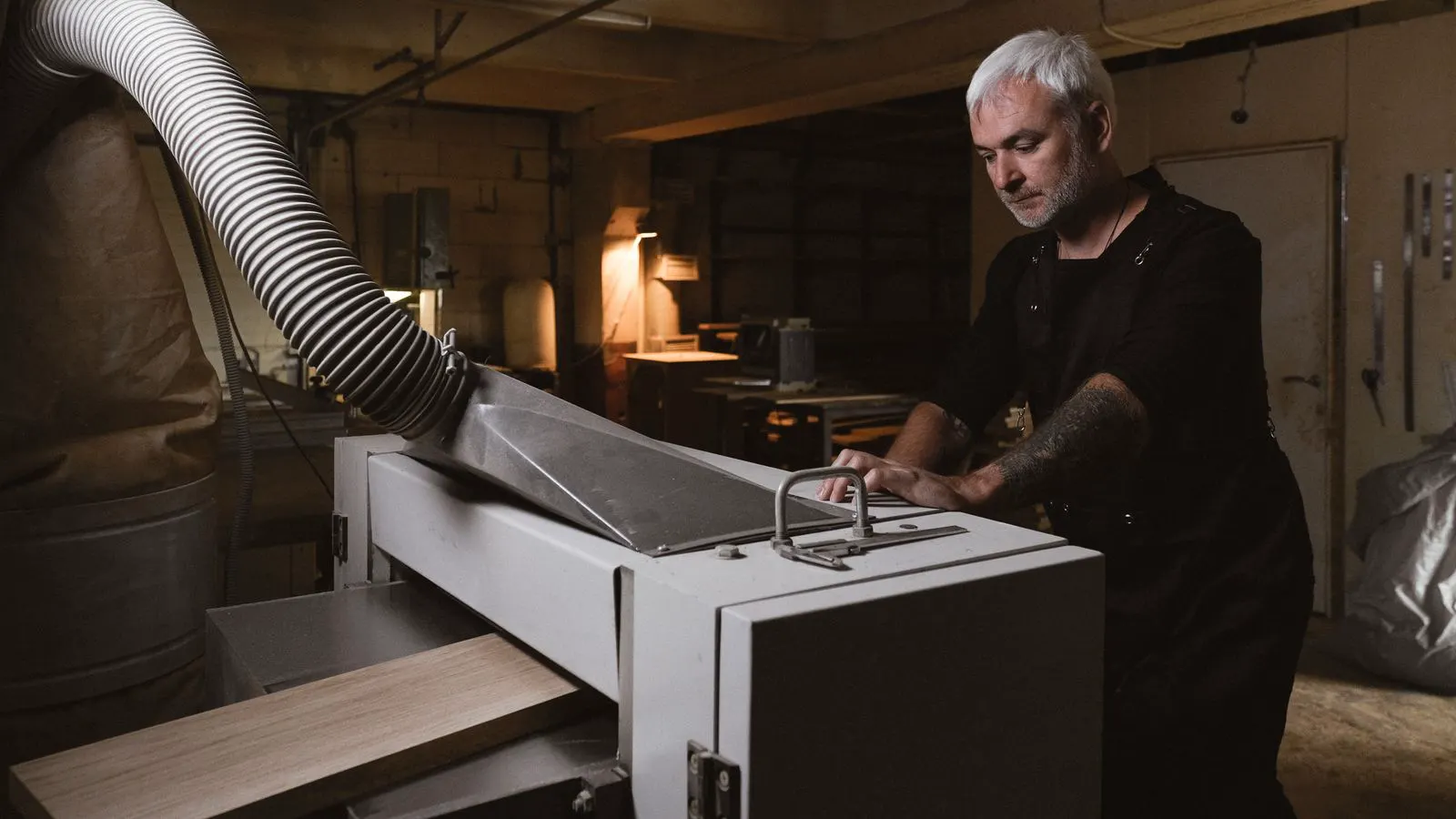
High operating costs in woodworking machines usually trace back to maintenance gaps, material waste, and inefficient settings. This guide lists common symptoms, likely causes, and practical fixes to improve your total cost of ownership.
- High operating costs usually come from preventable issues like poor maintenance, material waste, and inefficient machine settings.
- A structured troubleshooting table helps identify symptoms, causes, and fixes quickly.
- Regular preventive maintenance and operator training are the most effective ways to protect equipment ROI.
- Track material usage, energy consumption, and downtime to build a realistic cost analysis.
- Small fixes often have a bigger impact on total cost of ownership than major equipment upgrades.
Why Operating Costs Climb Faster Than Expected
Operating costs in a woodworking shop rarely spike for one obvious reason. They usually creep up through a mix of small inefficiencies: extra material waste, longer cycle times, unplanned downtime, and energy draw that nobody is watching. When you look at total cost of ownership, the machine itself is only part of the equation. The real costs live in consumables, labor, maintenance, and lost production hours.
This guide focuses on the issues that show up most often in professional woodworking environments. The goal is straightforward: identify the symptom, find the likely cause, and apply a fix that actually reduces the cost. The same logic applies whether you run a panel saw, a CNC router, or a jointer. The parts differ, but the cost drivers are similar.
Symptom, Cause, and Fix: A Troubleshooting Table
The table below lists the most common cost drivers in woodworking machines. Each row pairs a visible symptom with the most likely cause and a practical action to take. Start here if your monthly operating report shows a jump you cannot explain.
| Symptom | Likely cause | What to do |
|---|---|---|
| Higher-than-normal material scrap rate | Worn cutting tool, misaligned feed, or inconsistent stock dimensions | Inspect and replace blades or bits. Check fence and table alignment. Verify incoming stock tolerances before cutting. |
| Unplanned machine downtime | Missing lubrication, clogged chip evacuation, or worn belts | Follow the preventive maintenance schedule. Clear dust and chips from tables, bearings, and dust collection inlets. Replace worn belts and tension them correctly. |
| Higher energy consumption per hour | Overloaded motor, restricted airflow, or running machines longer than needed | Check for binding, friction, or blocked air paths. Review production schedules to avoid idle running. Confirm the machine is set to the correct speed for the job. |
| Frequent minor repairs | Operator skipping calibration, overloading capacity, or using wrong tooling | Retrain operators on setup and load limits. Use tooling rated for the material and spindle speed. Add a pre-use checklist to the daily routine. |
| Increased labor time per job | Stiff or sticky controls, poor lighting, or clamped workpiece causing slow feed | Lubricate and clean moving parts. Improve local lighting at the machine. Use proper clamping or fixtures so the workpiece does not shift during cuts. |
| Higher consumable costs | Wrong abrasive or blade type for the material, or excessive feed pressure | Match consumables to the species and finish requirement. Reduce feed pressure to the tooling specification. Log consumable usage to spot trends. |
Maintenance Gaps That Hide in Plain Sight
Maintenance is the first place to look when costs rise. A machine that runs slightly out of spec does not always stop. It just wastes material, slows down, and draws more power. In many shops, the gap between “it still works” and “it is costing you money” is wider than the team realizes.
Start with the basics. Check the dust collection line. A partially blocked hose or a full cyclone changes the air pressure reaching the machine. The motor may work harder to clear chips, and the operator may slow the feed to avoid clogging. Both actions add time and energy. Clean the line on a fixed interval, not just when the machine seems to choke.
Next, look at lubrication. Guides, rails, and bearings that are dry or contaminated create friction. Friction means extra force, extra motor load, and extra heat. In a CNC router, a slightly worn way cover can trap chips and accelerate rail wear. In a panel saw, a dirty blade arbor can make the blade run true only at low speed. Lubrication is cheap. Replacing a rail or bearing is not.
A common mistake is treating maintenance as a single annual task. Break it down into daily, weekly, and monthly checks. Daily: clear chips, check for leaks, verify guard position. Weekly: inspect belts, check tension, clean electrical panels. Monthly: calibrate, check alignment, test emergency stops. A short log next to the machine helps. If someone last checked the belt tension and the date is three months ago, that is a problem.
Material Waste and Setup Errors
Material waste is one of the largest controllable costs in a woodworking operation. The price of the board is only one part of the total cost of ownership. The cost of the board you cut into offcuts is the other. Setup errors are a major source of that waste, and they often come from small things.
Check the fence and table alignment. If the fence is not parallel to the cut line, every cut drifts. The operator may correct by hand, but the next cut drifts again. A misalignment of even a fraction of a millimeter can turn a clean edge into a rough one that needs a second pass. That second pass uses more time, more tool wear, and more material.
Blade and bit condition matters more than most buyers expect. A dull blade does not just cut slowly. It burns the edge, creates a ragged kerf, and often pushes the workpiece. A burned edge may not be acceptable for a visible face, so the operator may trim more material to reach the finished dimension. That trim is pure cost. Replace blades and bits on a schedule based on usage, not just on visible damage.
Incoming stock also drives waste. If the lumber is warped, twisted, or outside the expected tolerance, the machine will fight it. The workpiece will not sit flat, the feed will be uneven, and the cut will not be clean. Inspect the material before it reaches the machine. Reject or rework stock that is out of spec. The cost of the inspection is small. The cost of the resulting scrap and rework is large.
Energy and Idle Time
Energy costs are often treated as a fixed line item, but they respond to how the machine is run. A woodworking machine that idles with the spindle on, the dust collection running, and the lights on is drawing power without producing value. The cost is small per hour. Over a shift, it adds up.
Review the production schedule. Are there gaps between jobs where the machine sits idle? Can the dust collection be turned down during non-cutting phases? Can the machine be put into a low-power state instead of a full stop if the next job is within minutes? These are small changes. They do not require new equipment. They require a simple rule and a habit.
Also check for mechanical load. A motor that is running against excessive resistance draws more current. Binding, friction, or a misaligned part can make the motor work harder. If the amperage reading is consistently higher than the nameplate rating under normal load, something is wrong. It may be a worn part, a binding guide, or a tool that is not cutting properly. Fix the mechanical issue before you think about energy savings.
Idle time is not just about energy. It is about labor. An operator waiting for the machine to cool, for a chip to clear, or for a setup to stabilize is not productive. That time is lost. The fix is usually a small process change: a quick check before the job, a pre-routed chip path, or a standard setup sequence.
Operator Setup and Tooling Choices
The operator is the first line of defense against cost creep. A well-trained operator sets the machine correctly, chooses the right tooling, and notices the early signs of trouble. A poorly trained operator may force the feed, use the wrong bit, or skip a calibration step. Each of these actions adds cost.
Tooling selection is a frequent source of hidden cost. Using a general-purpose blade on a hardwood that requires a dedicated one can increase burn, tear-out, and kerf width. Using a bit with the wrong flute count for the material can cause chip packing or a rough finish. Both problems add time and material. Match the tooling to the species and the finish requirement. Keep a simple chart at the machine that lists the recommended blade or bit for each common material.
Setup errors also come from fixtures. If the workpiece is not held firmly, the operator slows the feed to avoid movement. That adds time. If the clamp is in the wrong place, the cut may not be square. If the workpiece is too long for the table, the operator may push it manually, which creates a safety issue and a quality issue. Use the right fixture for the job. A good clamp or jig is a small cost. A ruined panel is a large one.
Tracking Costs to Build a Real Cost Analysis
You cannot fix what you do not measure. A basic cost analysis starts with three numbers: material, labor, and machine time. Add energy and consumables if you want a fuller picture. Track these per job or per batch, not just per month. Monthly totals hide the variation that tells you what is actually happening.
Keep a simple log. For each job, record the stock used, the offcuts produced, the setup time, the cut time, and the consumables used. After a few weeks, patterns appear. One operator may produce more offcuts than another. One machine may have a longer setup time than expected. One material type may generate more waste than the estimate. These patterns are your roadmap for reducing total cost of ownership.
Review the log with the team. Do not treat it as a blame exercise. Treat it as a diagnostic tool. If the data shows that a particular setup is causing waste, fix the setup. If the data shows that a machine is running slower than expected, inspect it for mechanical issues. The goal is to close the gap between the planned cost and the actual cost.
Prevention Tips That Pay Off
Prevention is cheaper than correction. The most effective prevention steps are small, repeatable, and owned by the operator.
- Keep a daily checklist at each machine. It should include clearing chips, checking guards, verifying tool condition, and confirming alignment. The checklist takes two minutes. It prevents the problems that cost hours.
- Set a preventive maintenance schedule. Do not wait for a failure. Lubricate, clean, and calibrate on a fixed interval. A worn part replaced on time is a small cost. A failed part replaced in a hurry is a large one.
- Train operators on setup and tooling. A short, practical session on fence alignment, blade selection, and fixture use goes a long way. Make sure the operator understands the machine limits and the cost impact of exceeding them.
- Track material usage and scrap. Weigh the offcuts or measure the offcut length. A simple count or log reveals trends that are invisible in the monthly report.
- Review energy and idle time. Turn off or reduce non-cutting functions when the machine is not actively cutting. A simple rule prevents idle draw.
- Standardize consumables. Use the same blade and bit types for the same materials. This reduces waste, speeds up setup, and makes tracking easier.
When to Upgrade Instead of Troubleshoot
Sometimes the cost is not a symptom of a broken machine. It is a symptom of the wrong machine for the job. If the troubleshooting steps above do not resolve the cost issue, the machine may be underpowered, oversized, or poorly matched to the product mix.
Look at the production profile. If the machine is constantly overloaded, it will wear faster and produce more waste. If it is always underutilized, the capital cost is spread over fewer units, and the total cost of ownership rises. If the product mix has changed, the machine that worked well two years ago may no longer be the best fit.
A cost analysis that includes equipment ROI helps here. Compare the annual operating cost of the current setup against the projected cost of an alternative. Include material yield, labor time, energy, and maintenance. Do not rely on the purchase price alone. A machine that costs more upfront but produces less waste and less downtime can have a better return over its life.
The decision is rarely simple. A new machine is a large commitment. But a machine that consistently drives up operating costs is a leak in the business. When the leak is structural, the fix is a different machine.
Final Check Before You Close the Month
Before the month ends, run a quick review. Look at the maintenance log. Were all scheduled tasks done? Look at the scrap log. Is the waste rate within the expected range? Look at the downtime log. Were there unplanned stops, and what caused them? Look at the energy report. Is the draw per hour consistent with the production volume?
These four checks give you a clear picture of where the cost is coming from. They also give you a baseline for the next month. If the numbers are stable, keep the routine. If the numbers are drifting, dig into the specific job or machine that is driving the change. The fix is usually specific, and it is usually cheaper than you think.
The cost of a small leak is small when caught early. It is large when ignored. The goal of this guide is not to add paperwork. It is to add awareness. Awareness is the first step to control. Control is the first step to a better return on the equipment you already own.
Frequently asked questions
What is the most common cause of high operating costs in woodworking machines?
Poor maintenance and material waste are the most common causes. Worn tooling, misaligned components, and inconsistent stock all add scrap, time, and energy.
How do I start a simple cost analysis for my shop?
Track three numbers per job: material used, labor time, and machine time. Add energy and consumables if you want more detail. Review the numbers after a few weeks to spot trends.
Can operator training reduce operating costs?
Yes. An operator who sets the machine correctly, chooses the right tooling, and follows the maintenance checklist reduces waste, downtime, and rework.
When should I consider replacing a machine instead of fixing it?
When troubleshooting does not resolve the cost issue and the machine is consistently overloaded, underutilized, or poorly matched to the product mix. Compare the annual operating cost against an alternative using a cost analysis.
How often should I inspect dust collection and lubrication?
Inspect dust collection daily or per shift. Check lubrication on a weekly or monthly schedule based on the machine. A fixed interval prevents the gaps that cause friction, heat, and wear.


