Hot melt adhesive offers faster application and easier cleanup, while cold glue provides stronger, more flexible bonds for complex profiles. The right choice depends on production speed, substrate, and finish requirements.
- Hot melt adhesive is ideal for high-speed, flat-panel production where fast cycle times are critical.
- Cold glue excels in complex profiles and applications requiring flexibility to handle seasonal movement.
- Sourcing decisions should prioritize substrate stability, production volume, and required bond strength.
- Proper application temperature and pressure are essential for preventing delamination in both systems.
- Regular maintenance of heaters and nozzles ensures consistent adhesive performance on production lines.
What Are the Main Differences Between Hot Melt and Cold Glue?
Edge banding adhesive selection is a critical decision in furniture and cabinetry manufacturing. Two primary systems dominate the industry: hot melt adhesive and cold glue. Each has distinct chemical properties, application methods, and performance characteristics that directly influence production efficiency and final product quality.
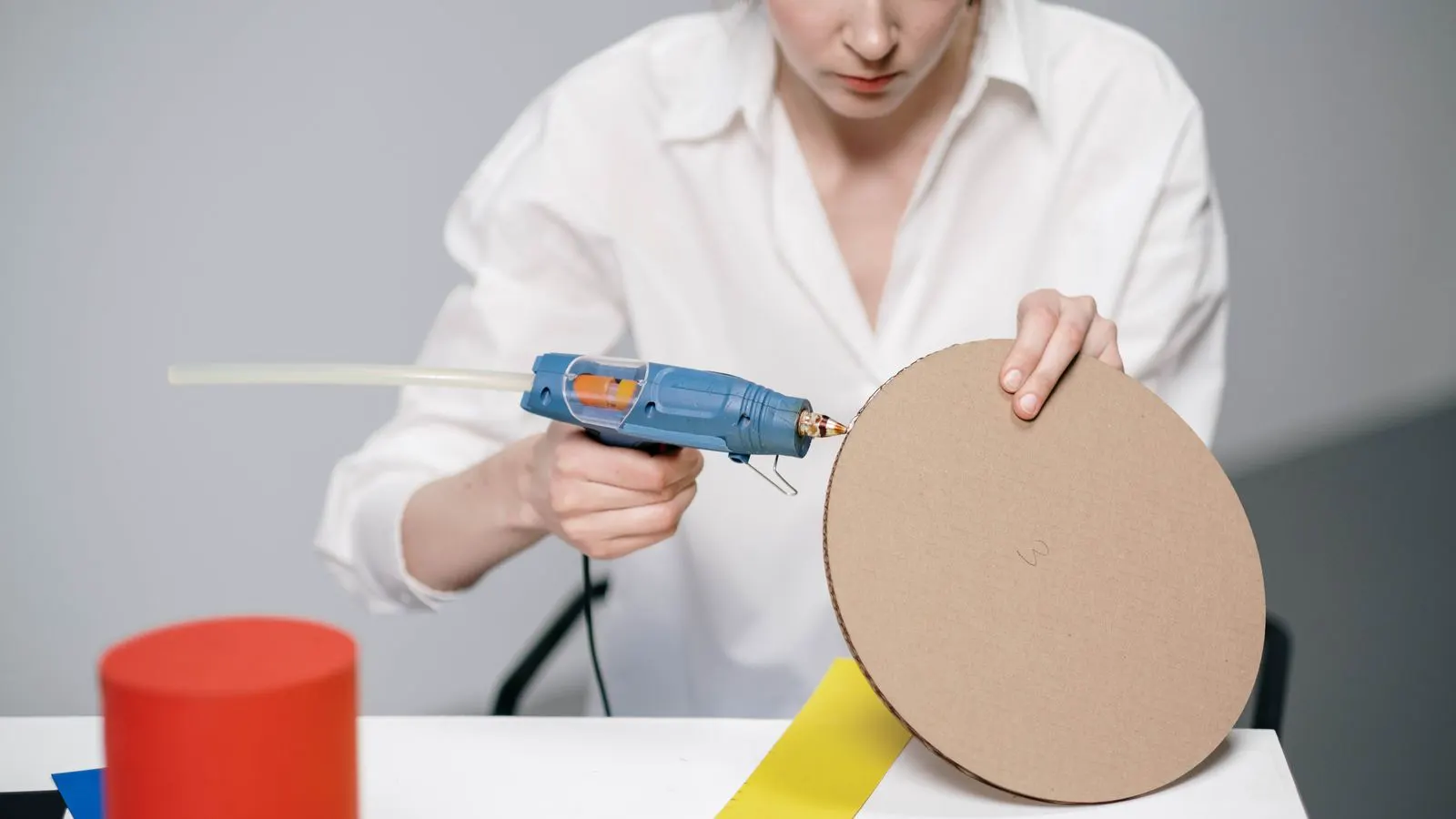
Hot melt adhesive is a thermoplastic material that remains in a viscous liquid state when heated and solidifies at room temperature without curing. It is typically applied using heated nozzles on edge banding machines. Cold glue, also known as polyurethane adhesive, is a liquid that cures through a chemical reaction with moisture, forming a strong and flexible bond.
The choice between these two systems affects sourcing decisions significantly. Manufacturers must consider production speed, substrate type, environmental conditions, and long-term durability when selecting an edge banding adhesive.
How Does Hot Melt Adhesive Affect Production Speed?
Hot melt adhesive is widely used in high-speed production environments. Its main advantage is rapid solidification. Once applied to the edge of a panel, it cools and sets within seconds, allowing the workpiece to move quickly through the production line.
This speed is particularly beneficial for flat-panel applications such as drawer boxes, shelf units, and cabinet frames. The adhesive does not require curing time, eliminating delays in the workflow. For manufacturers producing large volumes of standardized products, this rapid cycle time translates directly to increased throughput.
However, hot melt adhesive has limitations. It performs best on flat or slightly rounded edges. Complex profiles with deep grooves, miters, or irregular shapes can be challenging to bond effectively. The adhesive may not flow properly into tight corners or intricate details, potentially leaving weak spots.
When Is Cold Glue the Better Option?
Cold glue is preferred for applications requiring flexibility and strong bond integrity. Polyurethane-based cold glue cures into a tough, resilient material that can accommodate seasonal movement in wood. This flexibility makes it ideal for furniture, doors, and panels that experience temperature and humidity changes.
For complex edge profiles, cold glue often outperforms hot melt. Its liquid consistency allows it to flow into detailed shapes, ensuring consistent coverage. The resulting bond is generally stronger and more resistant to mechanical stress over time.
The trade-off is application speed. Cold glue requires curing time before the workpiece can be handled or processed further. This makes it less suitable for high-speed, continuous production lines. It is better suited to batch production or applications where quality and durability take precedence over speed.
How Should You Select the Right Adhesive for Your Substrate?
The substrate plays a significant role in adhesive selection. Different wood types, particleboard, and MDF react differently to hot melt and cold glue.
Particleboard and MDF are commonly used in cabinetry. Both materials accept hot melt adhesive well, especially when the edges are sanded smooth. However, these materials are porous and can absorb adhesive unevenly, leading to potential delamination if not properly prepared. Cold glue can be more forgiving on these substrates because its longer working time allows for better penetration and bonding.
Solid wood panels present different challenges. The natural movement of wood due to humidity and temperature changes can stress rigid adhesives. Cold glue’s flexibility helps accommodate this movement, reducing the risk of cracks or separation. Hot melt adhesive, being more rigid, may not perform as well on solid wood unless the wood is well-stabilized.
What Are the Sourcing and Cost Considerations?
Sourcing an edge banding adhesive involves evaluating not just the material itself, but also the equipment required for application. Hot melt systems typically require heated nozzles and temperature control units. While the adhesive itself may be less expensive per kilogram, the equipment and maintenance costs can be higher.
Cold glue systems generally use standard dispensing equipment without heating elements. The adhesive may cost more per unit, but the application process is simpler. For smaller operations or those producing custom furniture, the lower equipment complexity can make cold glue more economical.
Manufacturers should also consider the availability of specific adhesive grades. Some suppliers offer specialized formulations for different substrates or production speeds. It is wise to request samples and test them under real production conditions before committing to a supplier.
How Can You Prevent Edge Banding Delamination?
Regardless of the adhesive chosen, proper application is crucial for preventing delamination. For hot melt adhesive, maintaining the correct application temperature is essential. Too low, and the adhesive will not flow properly. Too high, and it may degrade or burn. Regular calibration of heaters and nozzles ensures consistent performance.
For cold glue, controlling the amount applied is important. Excessive adhesive can squeeze out during clamping, creating weak spots. Insufficient adhesive can leave unbonded areas. Following the manufacturer’s recommended application guidelines is key.
Surface preparation also matters. Edges should be clean, dry, and free of dust or oil. Light sanding can improve adhesion by creating a rougher surface for the adhesive to grip. In both systems, proper pressure and clamping time are necessary to ensure a strong bond.
Comparison Table: Hot Melt vs Cold Glue
| Feature | Hot Melt Adhesive | Cold Glue |
|---|---|---|
| Curing Time | Seconds to minutes | Minutes to hours |
| Application Speed | High | Moderate |
| Bond Flexibility | Low to moderate | High |
| Ideal Profiles | Flat, simple shapes | Complex, detailed shapes |
| Temperature Requirement | Heated application | Room temperature |
| Long-term Durability | Good for stable environments | Excellent for variable conditions |
| Maintenance | Heater and nozzle care | Nozzle cleaning, storage |
Worked Example in Plain Words
Imagine a furniture manufacturer producing a batch of 500 solid oak tables. The tables have intricate curved legs and mitered corners. If the manufacturer uses hot melt adhesive, the curved edges and mitered joints may not bond properly. The rigid adhesive could crack as the wood expands and contracts with seasonal changes, leading to delamination over time.
If the manufacturer switches to cold glue, the liquid adhesive flows into the curves and corners, creating a flexible bond that moves with the wood. Although the curing time is longer, the manufacturer can schedule this production as a batch job, allowing sufficient time for the glue to cure before the next step. The result is a more durable product that maintains its integrity throughout its lifespan.
In contrast, if the same manufacturer produced 5,000 flat-particleboard cabinet doors per week, hot melt adhesive would be the better choice. The flat edges bond quickly and efficiently, and the high speed of the production line benefits from the rapid solidification. The cabinets are likely to be used in stable indoor environments, reducing the risk of moisture-related movement that could stress the bond.
Final Thoughts
Selecting the right edge banding adhesive requires balancing production speed, substrate characteristics, and long-term durability. Hot melt adhesive is ideal for high-speed, flat-panel production, while cold glue excels in complex profiles and applications requiring flexibility.
By understanding the strengths and limitations of each system, manufacturers can make informed sourcing decisions that improve efficiency and product quality. Regular testing, proper application, and maintenance will ensure consistent performance and prevent issues such as delamination and peeling on production lines.
Frequently asked questions
Can hot melt adhesive be used on solid wood?
Yes, but it may not perform as well as cold glue on solid wood that experiences significant seasonal movement. The rigid bond can crack if the wood expands and contracts too much.
How long does cold glue take to cure?
Cold glue curing time varies by product and conditions, but it is generally longer than hot melt. Manufacturers should follow the supplier's recommended curing time before handling or processing further.
Is hot melt adhesive more expensive than cold glue?
The adhesive itself may be less expensive, but hot melt systems often require heated equipment and maintenance. Overall cost depends on production volume and application complexity.
Can I switch between hot melt and cold glue on the same machine?
Some edge banding machines can be adapted for both, but the application nozzles and control systems differ. It is best to consult the machine manufacturer for compatibility and required adjustments.
How do I know which adhesive is right for my production line?
Consider your substrate, production speed, edge profile complexity, and environmental conditions. Request samples and test them under real production conditions before making a final decision.