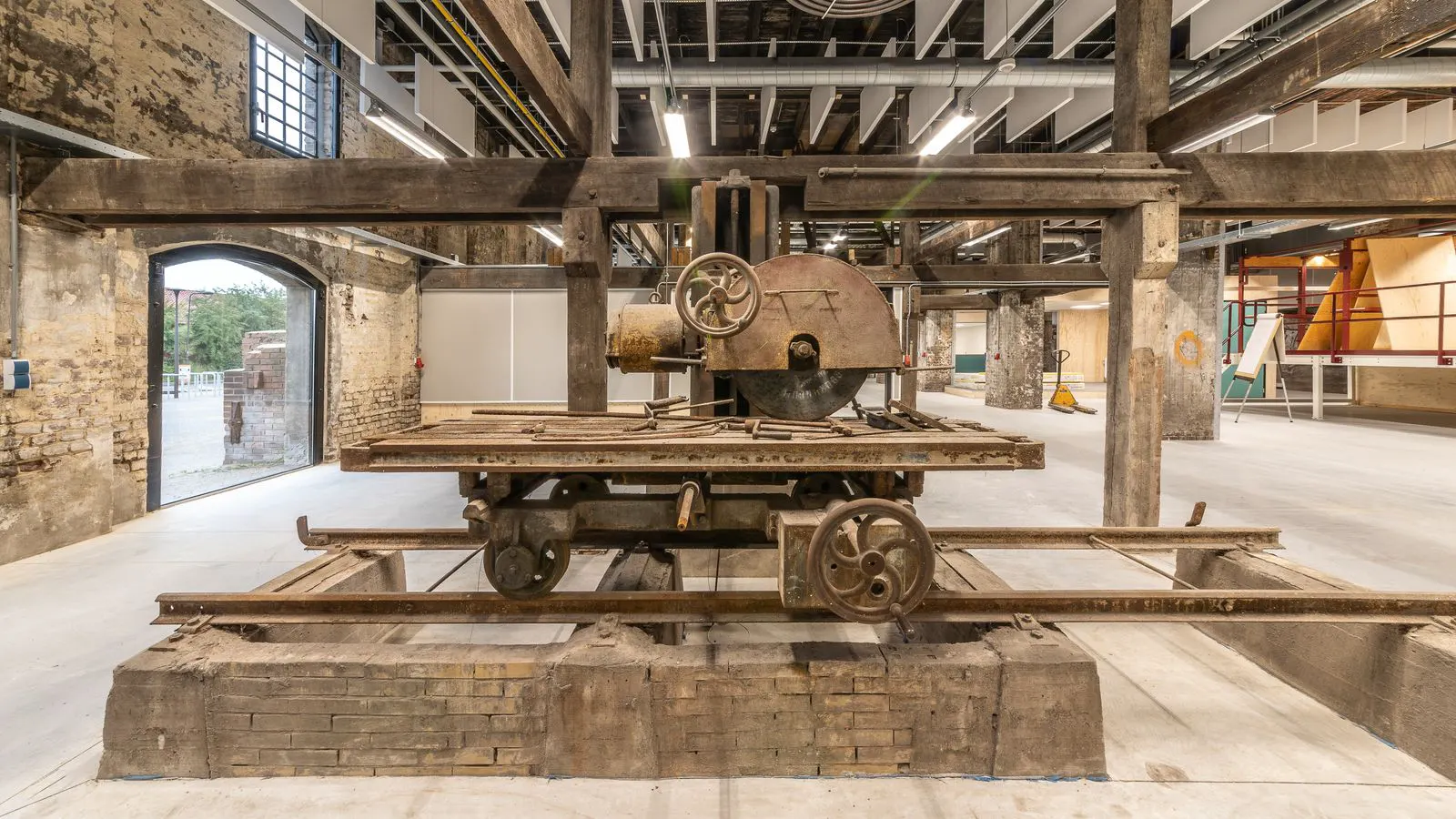
Selecting used panel saws requires checking the blade guard, table alignment, and electrical safety. Evaluate the machine's condition, service history, and total cost of ownership. This guide provides a framework for choosing reliable second-hand panel saws that fit your budget and production needs.
- Inspect the table, fence, and blade guard for wear before buying.
- Verify the electrical system and safety interlocks function correctly.
- Calculate the total cost of ownership, including shipping, setup, and repairs.
- Compare the used unit's condition against a refurbished machine.
- Use a structured checklist to standardize evaluation across multiple candidates.
Evaluating the Physical Condition of a Used Panel Saw
A used panel saw carries a lower purchase price than a new unit, but it also carries different risks. The blade guard, table surface, and electrical connections define the machine’s safety and function. A worn fence or a cracked table edge can create splinters or inaccurate cuts. The buyer must inspect the physical condition and the mechanical alignment before offering a price.
This guide explains how to evaluate second-hand panel saws. It covers the key components to check, the documentation to request, and the financial factors to consider. The focus is on practical inspection steps and long-term value.
What mechanical components need inspection first
The table is the foundation of a panel saw. Check the surface for deep scratches, gouges, or rust. A warped table causes the blade to bind or the workpiece to shift. Tap the table with a mallet and listen for hollow sounds. A solid steel table should ring true. If the table has been resurfaced, look for uneven wear patterns that suggest the machine was not used with proper support. A flat table ensures the blade stays perpendicular to the workpiece.
The fence is the second critical part. Measure the fence against the table edge at multiple points. The fence should be parallel to the blade path. A fence that is off by even a small amount can throw the whole cut. Check the fence adjustment mechanism. It should move smoothly without grinding or sticking. Listen for any grinding as you push the fence back and forth. If the fence sticks at certain positions, the guide rails may be dirty or the locking cam may be worn. A loose fence creates a dangerous situation where the workpiece can shift during the cut.
Inspect the blade guard and the anti-kickback device. These parts protect the operator from blade contact. The guard should extend fully over the blade and retract without catching. The anti-kickback pawls must snap into place and release freely. Replace any guard or pawl that shows wear or damage. Look for cracks in the plastic guard housing. A cracked guard can fail under pressure and offer no protection. The anti-kickback pawls are small but critical. If they are dull or bent, they will not stop the blade from kicking back into the operator’s hand.
How to check the blade and motor assembly
The blade itself is a consumable, but the arbor and spindle are not. Look for burrs or chips on the arbor. A damaged arbor can cause the blade to run true. This vibration leads to poor cut quality and increased bearing wear. A chip on the arbor can catch the blade’s arbor hole and cause the blade to bind. If the arbor is damaged, the cost to replace it may be higher than expected. Check the arbor hole in the blade as well. It should be clean and free of debris.
Check the motor for signs of overheating or dust buildup. Open the motor housing and look for burnt insulation or frayed wires. The motor should be cool to the touch after a short test run. If the motor hums but does not turn, the capacitor may be weak. A weak capacitor can cause the motor to draw excessive current and overheat. Replace the capacitor if it is swollen or leaking. Dust buildup inside the motor housing reduces cooling and shortens the motor’s life. Clean the dust with compressed air before running the machine again.
Listen to the spindle while the machine runs. A grinding or whining noise indicates bearing wear. Tap the spindle housing with a small hammer. It should not ring or feel loose. The spindle should be rigid and centered. If the spindle wobbles, the bearings are worn. Replacing the bearings is a moderate repair, but it requires a proper press and alignment. A wobbly spindle also causes the blade to cut at an angle, which affects the accuracy of the cut.
What safety features must be functional
Safety systems are non-negotiable. The blade guard must stop the blade when the workpiece is removed. Test this with the power off and on. The interlock should prevent the blade from starting if the guard is not in place. If the guard is removed, the blade should not start. If the guard is in place, the blade should start. This test is simple but critical. A failed interlock can cause the blade to start without protection.
Check the emergency stop button. It should be clearly marked and accessible. Press it and verify the blade stops immediately. The button should be easy to reach without moving the workpiece. If the emergency stop button is loose or hard to press, it may not function in an emergency. Replace the button if it shows any signs of wear.
Look at the power cord and plug. The cord should be free of cuts or exposed wires. The plug should be intact and secure. If the cord is worn, replace it before using the machine. A worn power cord can cause a short circuit or a shock hazard. Check the strain relief where the cord enters the machine. If the strain relief is cracked, the cord may pull out of the housing under vibration.
How to verify the electrical system
The electrical system must match the shop’s power supply. Check the voltage and phase on the nameplate. A three-phase machine will not run on single-phase power without a converter. A converter adds cost and complexity. If the shop only has single-phase power, a three-phase machine may not be a good fit. A two-phase machine is rare and may require special wiring.
Inspect the contactor and the control panel. The contactor should close and open cleanly. The control panel should be labeled and organized. Loose wires in the panel are a fire hazard. Check for any burnt marks on the wires or terminals. A burnt terminal can indicate a high-resistance connection that generates heat. Replace any damaged wiring.
Test the ground connection. Use a multimeter to verify the ground is continuous. A poor ground can shock the operator or trip the breaker. The ground wire should be thick enough for the current load. If the ground wire is thin, it may melt under heavy load. Replace the ground wire if it is damaged or too thin.
What documentation and service history to request
Ask the seller for maintenance records. These records show when the machine was serviced and what parts were replaced. A complete history is rare for a used machine, but it helps. If the seller has no records, ask for receipts for recent repairs. A recent bearing replacement, for example, shows the machine has been maintained.
Request the original purchase invoice or a bill of sale. This confirms the machine was not stolen. It also shows the original date of manufacture. A bill of sale is a simple document that lists the machine’s serial number and the seller’s name. It is not a legal requirement, but it is a good practice.
Look for warranty information. Some refurbished units come with a limited warranty. This can cover the motor or the control system. A warranty reduces the risk of a major repair. If the machine is out of warranty, the buyer is responsible for all repairs. A warranty does not guarantee the machine will not fail, but it provides a safety net.
How to compare used, refurbished, and new units
A used panel saw is a lower purchase price. It may need immediate repairs. A refurbished unit has been inspected and repaired by a professional. It costs more than a used unit but less than a new one. A new unit has a full warranty and the latest safety features.
The choice depends on the shop’s budget and the machine’s role. A small shop may buy a used saw for light work. A production shop may buy a refurbished saw for daily use. A shop that requires high precision may choose a new saw.
| Criterion | What to look for | Why it matters |
|---|---|---|
| Table Condition | Flat, clean, no rust | Ensures accurate cuts and prevents workpiece movement |
| Fence Alignment | Parallel to blade path | Keeps cuts square and repeatable |
| Blade Guard | Functional, no damage | Protects operator from blade contact |
| Electrical System | Correct voltage, safe wiring | Prevents shock and ensures reliable operation |
| Service History | Maintenance records, parts replaced | Shows machine health and remaining life |
| Total Cost | Purchase, shipping, setup, repairs | Determines true budget impact and ROI |
How to calculate the total cost of ownership
The purchase price is only the start. Add the cost of shipping and freight. A panel saw is heavy and requires a truck. The cost depends on the distance and the size of the unit. A large panel saw may require a flatbed truck, which is more expensive than a standard van.
Add the cost of setup. The machine may need a new table, a new fence, or new electrical wiring. These upgrades can add to the budget. A new table may cost more than the used saw itself. A new fence may be a simpler and cheaper upgrade.
Factor in the cost of repairs. A used machine may need new bearings, new belts, or a new motor. Keep a reserve for these costs. A bearing replacement is a moderate cost, but a new motor is a major expense.
The total cost of ownership is the sum of these items. Compare this number against the cost of a new unit. If the used unit is significantly cheaper, it may offer better value. If the used unit is only slightly cheaper, the risk of repairs may not be worth the savings.
A quick evaluation checklist
- Table is flat and free of rust.
- Fence is parallel and moves smoothly.
- Blade guard and anti-kickback device function correctly.
- Electrical system matches shop power and is safe.
- Service history is available or the machine was recently serviced.
- Total cost of ownership fits the shop budget.
- The machine meets the shop’s production needs.
How to decide when to buy
The decision rests on the shop’s needs. If the shop has a tight budget and the work is light, a used saw may be enough. If the shop requires high precision and reliability, a refurbished unit is a safer choice.
Use the checklist above. Walk through each item. If the machine passes, it is a candidate. If it fails, ask for a lower price or a different unit. Do not buy a machine that needs major repairs unless the price is low enough to cover the cost.
The goal is a machine that works safely and accurately. The goal is a machine that fits the budget. The goal is a machine that supports the shop’s production.
Frequently asked questions
Can I use a three-phase panel saw on single-phase power?
No. A three-phase machine requires three-phase power. A converter can change the power, but it adds cost and reduces efficiency.
What is the most common problem with used panel saws?
Worn bearings and a dirty or misaligned fence are the most common problems. These issues affect cut quality and machine safety.
Should I buy a used saw or a refurbished saw?
A used saw is cheaper but may need repairs. A refurbished saw is more expensive but has been inspected and repaired. The choice depends on the budget and the machine's role.
How do I check the table for warping?
Place a straight edge across the table in different directions. Look for gaps between the straight edge and the table surface. Any gap indicates warping.
What documents should I ask for when buying a used panel saw?
Ask for maintenance records, the original purchase invoice, and any warranty information. These documents confirm the machine's history and condition.


