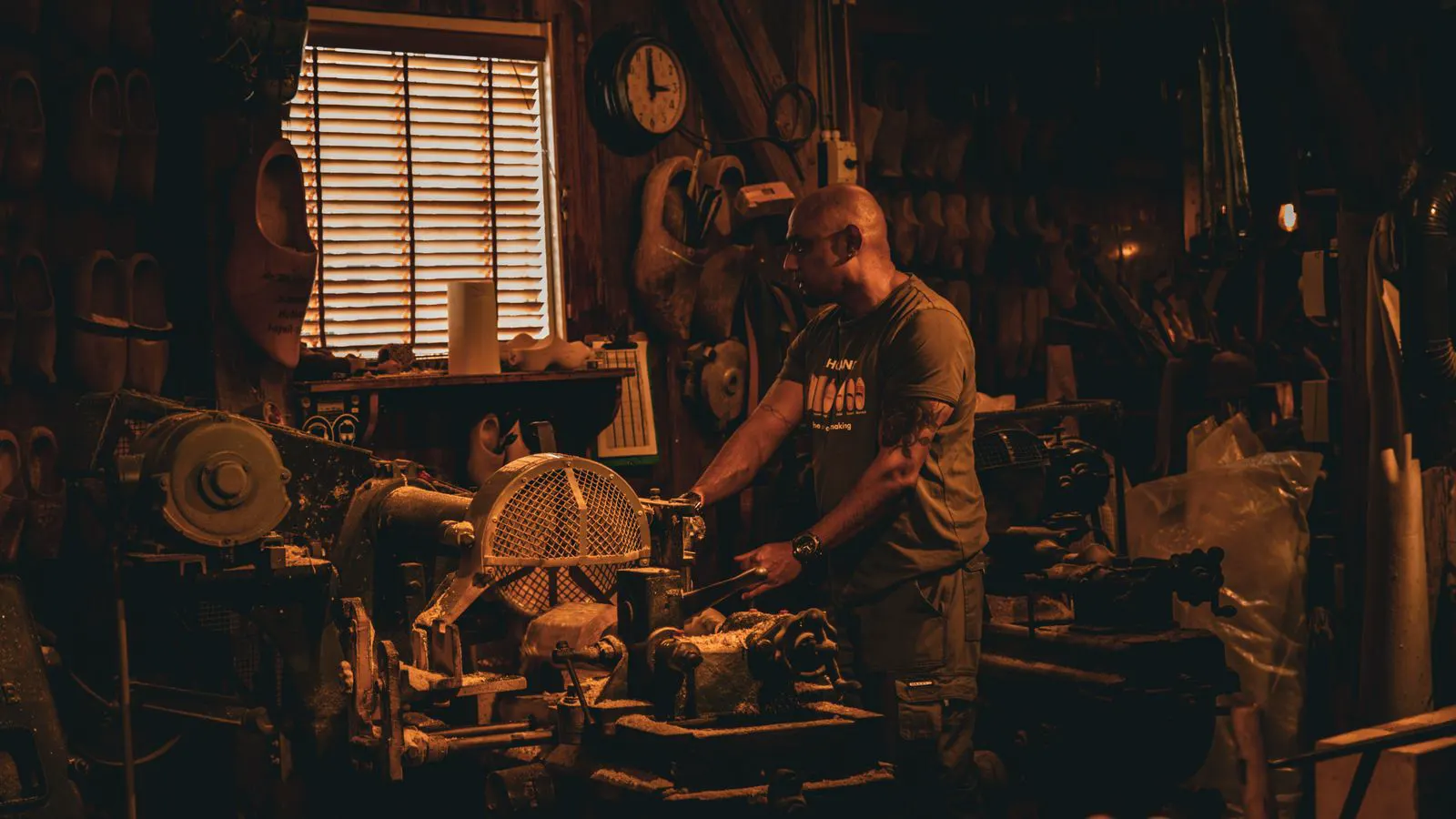
Fluctuating energy prices directly impact operating costs, forcing buyers to weigh efficiency against initial capital. This guide outlines five shifts in purchasing strategy and practical steps to protect margins and future-proof your shop.
- Energy efficiency is now a primary purchasing criterion, not just a secondary feature.
- Buyers must model worst-case energy scenarios when evaluating new CNC and panel processing lines.
- Sustainability requirements are tightening, making high-efficiency gear a compliance necessity in many regions.
- Flexible power configurations and variable speed drives reduce exposure to price spikes.
- Long-term total cost of ownership calculations now weigh energy usage heavily against CapEx.
Shop managers and plant owners face a different risk environment than they did even a few years ago. Energy prices are no longer a static line item in a budget spreadsheet. They shift based on global supply, regional demand, and policy changes. For a woodworking shop, this means the machine that looks cheap on a purchase order can become expensive to run. The gap between CapEx and operating costs is widening.
Buyers are no longer just asking what a machine can do. They are asking how much it costs to run at peak load. The answer is changing the way shops evaluate new CNC routers, panel saws, and edge banders. This section breaks down the shifts in strategy and the preparation steps you need to take before your next major purchase.
How Energy Costs Shift the Buying Equation
The traditional model for machinery selection relied heavily on the initial price. If Machine A cost 10% less than Machine B but consumed 25% more power, the decision was often simple. Machine A won. That is no longer the case.
With energy prices fluctuating, the operating cost of a machine becomes a dominant factor in the return on investment analysis. A high-efficiency spindle or a servo-driven axis may add to the upfront price. However, the energy savings over a five-year period can offset that difference. Buyers are now required to look past the sticker price.
You need to evaluate the power draw of every major component. Spindles, feed drives, and cooling systems all contribute to the total load. A shop running a single high-power spindle for eight hours a day will see a much larger energy bill than one running multiple lower-power units for shorter cycles. The machine with the lower operating cost may require a higher CapEx, but the total cost of ownership tells a different story.
The Impact of Sustainability on Specification Requirements
Sustainability is moving from a marketing buzzword to a technical requirement. Many customers and distributors now ask for energy data sheets as part of the standard documentation. This pressure comes from both environmental mandates and customer demands for lower carbon footprints.
When you specify a new machine, you must ask for the estimated annual energy consumption. Vendors should be able to provide this based on standard workloads. If they cannot, it is a red flag. You need that data to calculate the carbon impact and to meet internal sustainability goals.
This shift also influences material handling. Automated loading and unloading reduce the need for manual intervention and can optimize the machine cycle time. A machine that runs more efficiently and with less downtime consumes less power per unit of output. This aligns with the broader trend of reducing waste in the supply chain.
Planning for Volatile Power Rates
Energy prices do not move in a straight line. They spike during high-demand periods, such as extreme heat or cold, and drop during off-peak times. A shop that runs its heavy machinery during these peak hours will pay a premium for every kilowatt-hour.
To prepare, you need to understand your utility rate structure. Many industrial accounts have time-of-use pricing. You can shift non-critical operations, such as batch processing or maintenance runs, to off-peak hours. This requires flexible scheduling and often a variable frequency drive on the main spindle or pump.
Consider installing a power monitoring system. This gives you real-time data on what is consuming power and when. Without this data, you are guessing at your operating costs. With it, you can identify inefficiencies and make informed decisions about when to run specific jobs.
The Role of Variable Speed Drives in Cost Management
Variable speed drives are becoming standard on high-end woodworking machinery. They allow the spindle to run only as fast as the job requires. Cutting a small profile on a 24-inch panel does not require the full power of a high-RPM spindle.
In the past, many machines ran at a fixed speed. This wasted energy. Now, a variable speed drive matches the RPM to the cutting tool and material. This can significantly reduce power consumption. It also extends tool life and reduces vibration, which lowers maintenance costs.
When evaluating a new CNC router, ask about the spindle control system. Does it support variable speed? What is the range? How does it integrate with the controller? These are practical questions that directly affect your operating costs.
Comparing Efficiency Across Different Machine Types
Not all machines consume power the same way. A panel saw uses a high-power motor for a short duration. A CNC router uses a variable power load based on the cut. An edge bander has multiple heating and pressure elements that run continuously.
The table below compares the energy consumption patterns of common woodworking machines. This is a general guide to help you structure your energy audit.
| Machine Type | Primary Power Source | Consumption Pattern | Efficiency Factor |
|---|---|---|---|
| Panel Saw | High-HP Spindle | Short, high-intensity bursts | Motor efficiency and blade sharpness |
| CNC Router | Variable Spindle | Continuous, variable load | Spindle RPM control and tooling |
| Edge Bander | Heaters and Motors | Continuous baseline load | Thermal efficiency and belt tension |
| Planer | Multiple Cutters | Continuous, moderate load | Feed speed and cutter sharpness |
| Jointer | Single Cutter | Continuous, moderate load | Blade alignment and feed rate |
Understanding these patterns helps you allocate energy budgets. You can set limits for each machine type and track performance against those limits. If a machine’s consumption rises above the expected range, it is time to investigate.
Preparing Your Shop for the Next Cycle
To prepare for future energy price shifts, you need a proactive approach. Start by auditing your current equipment. Identify the machines that consume the most power and where the biggest losses are occurring.
Next, update your purchasing criteria. Include energy efficiency in your vendor scorecards. Ask for data sheets that detail power consumption at different load levels. Make it a standard requirement for any new capital equipment purchase.
Finally, train your operators. They are the ones who run the machines. If they understand the cost of idling a spindle or running a tool at the wrong speed, they will make better decisions on the floor. Small habits add up to significant savings over time.
What to Do Before You Buy
Before you sign a purchase order for new machinery, run through this checklist:
- Request the estimated annual energy consumption data for the specific configuration you are buying.
- Check the vendor’s documentation for energy efficiency ratings or certifications.
- Calculate the total cost of ownership including energy, maintenance, and depreciation.
- Ask about the spindle control system and whether it supports variable speed.
- Review your utility rate structure to see if you can shift operations to off-peak hours.
- Check if the machine has any built-in energy monitoring features.
These steps will give you a clear picture of the machine’s true cost. They will also help you negotiate better terms with the vendor. You are no longer just buying a machine. You are buying a tool that will run for years. Make sure you are buying the right one.
The Long View
Energy prices will continue to fluctuate. The shops that adapt to this reality will be the ones that thrive. They will be the ones that prioritize efficiency, monitor their consumption, and make informed purchasing decisions.
The future of woodworking machinery is not just about speed and precision. It is about sustainability and cost control. By understanding how energy prices shape your decisions, you can build a shop that is resilient to change. This is not a one-time task. It is an ongoing process. Stay informed, stay proactive, and keep your operations efficient.
Frequently asked questions
How much of a difference does energy efficiency make in the total cost of a machine?
The difference varies by machine type and usage hours, but for high-power equipment like CNC routers, energy savings can offset a significant portion of the upfront premium for more efficient models over a five-year period.
What data should I ask a vendor for when evaluating a machine based on energy use?
You should ask for a power consumption data sheet that shows estimated annual usage based on a standard workload, as well as the specifications for the spindle and drive system.
Can I reduce my energy bills without buying new machinery?
Yes, you can implement variable speed drives, shift operations to off-peak hours, and train operators to reduce idle time. These changes often yield immediate savings without any CapEx.
How does sustainability affect my purchasing decision?
Sustainability is increasingly a requirement from customers and distributors. It often means choosing machines with lower power consumption and better energy management features, which can also lower your operating costs.
What is the best way to track my shop’s energy usage?
Install a power monitoring system that provides real-time data on each machine. This allows you to identify inefficiencies, set consumption limits, and make informed decisions about when to run specific jobs.


