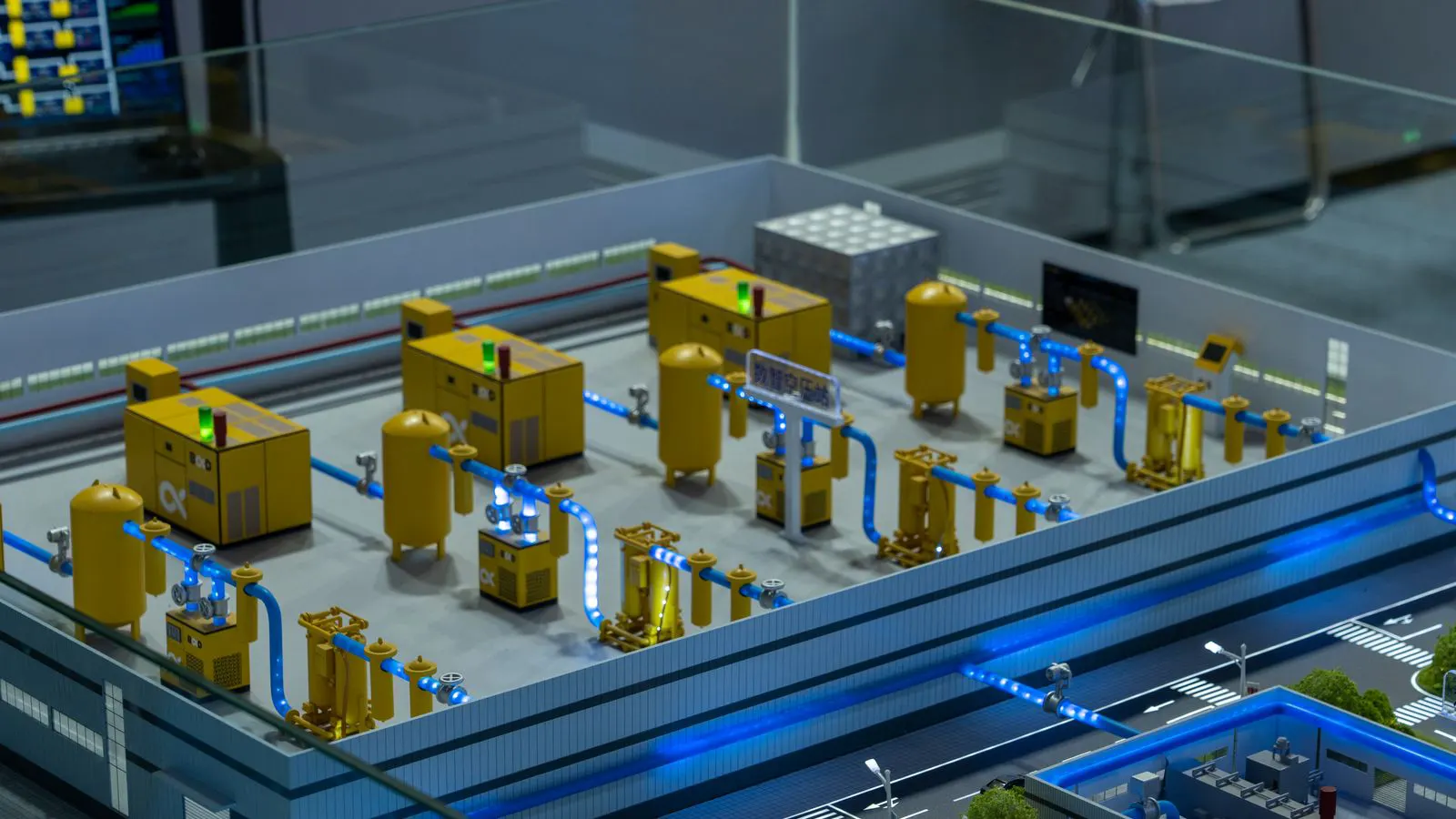
Modular machinery shifts capital planning from static asset purchases to flexible, reconfigurable systems. This guide outlines five practical shifts buyers must plan for, including layout adaptability, maintenance access, and future technology integration.
- Shop layout planning must account for machine reconfiguration over a ten-year horizon.
- Modular systems reduce initial capital outlay but increase integration complexity.
- Maintenance access and utility routing are critical design considerations for modular units.
- Future technology upgrades become simpler when machines are built on standardized interfaces.
- Buyers should treat modular machinery as a long-term infrastructure investment rather than a single asset.
The shift from fixed assets to flexible systems
Modular machinery changes how buyers approach capital planning. Traditional woodworking equipment arrives as a single, fixed unit. A saw, a planer, or a CNC router occupies one specific spot in the shop. The layout is set at purchase, and changes later require moving heavy equipment, rerouting utilities, and potentially altering the building structure.
Modular systems work differently. The machine is built from separate functional units. Each unit performs a specific task. A feed system, a cutting head, a finishing module, and a control cabinet can be independent. They connect through standardized interfaces. The result is a machine that can be reconfigured as production needs change.
This shift impacts long-term capital planning in several ways. The initial purchase price may look different from a traditional monolithic machine. The total cost of ownership changes because the machine can be adapted rather than replaced. The layout becomes a variable, not a fixed constraint.
Buyers must understand these changes before they sign a purchase order. The following sections outline the practical shifts that define this transition.
How modular design changes the layout planning phase
Shop layout planning used to center on the largest machine. The buyer measured the floor, placed the biggest asset, and worked around it. Utilities ran to that fixed point. Material flow was designed around the machine’s physical position.
With modular machinery, the layout becomes a dynamic system. The buyer plans for movement. The machine can split into smaller units that can be relocated. A new production line can be added by inserting a new module into an existing connection point. A finished product can be routed through a different sequence of modules without moving the entire assembly.
This requires a different planning approach. The buyer must map potential connection points across the shop floor. Utility conduits must be planned with extra capacity. The floor must support the weight distribution of multiple smaller units. The layout plan must include space for future expansion, not just current production.
A practical example helps illustrate this. A shop producing cabinet frames might start with a modular cutting system. The system includes a saw module, a drilling module, and a control unit. As the shop adds edge banding, a new module connects to the existing line. The physical layout changes slightly, but the core system remains in place. The buyer avoids the cost and disruption of replacing the entire line.
Maintenance access and service integration
Modular machines change maintenance workflows. A traditional machine often requires technicians to work in tight spaces around a large, enclosed unit. Access to motors, bearings, and control boards can be limited.
Modular design separates these components. The cutting head can be removed from the base. The control cabinet can be lifted out for servicing. The feed system can be disconnected and moved to a service bay. This access reduces downtime.
The service model shifts as well. Instead of waiting for a full machine service, the shop can service individual modules. A worn bearing in the feed system can be replaced without shutting down the cutting module. The shop can keep production running while technicians work on a specific component.
This change requires preparation. The shop needs a service area that can accommodate individual modules. Technicians must be trained on the modular system’s connections and interfaces. The shop must maintain a stock of compatible spare parts for each module type. The maintenance schedule changes from periodic full-machine service to continuous module-level monitoring.
The capital planning implications are clear. The initial service contract may differ from traditional equipment. The shop must budget for ongoing module maintenance. The cost of downtime may decrease, but the cost of parts inventory may increase.
Technology integration and future upgrades
Modular systems are built for technological change. The cutting head can be replaced with a higher-precision unit. The control system can be upgraded to support new software functions. The feed mechanism can be swapped for a more efficient design.
This adaptability extends the useful life of the core system. The buyer invests in the base structure and the control architecture. The functional modules can be updated as technology improves. The capital outlay is spread over time rather than concentrated in a single large purchase.
The integration complexity increases, however. Each new module must connect to the existing system. The communication protocols must be compatible. The software must recognize the new hardware. The shop must plan for integration testing.
A practical approach is to specify open interfaces at the time of purchase. The buyer requires that the modular system use standard connection types. The control software must support future module additions. The documentation must include the connection specifications for each module type.
This preparation reduces future integration risks. The shop can add new functionality without a complete system overhaul. The capital planning horizon extends because the system remains relevant longer.
Capital planning for phased implementation
Modular machinery allows buyers to phase their investment. Instead of purchasing a complete production line at once, the shop can install modules in stages. The first module starts production. Additional modules are added as demand grows or as the shop gains experience with the system.
This phased approach reduces initial capital expenditure. The shop can match its investment to its production capacity. The cash flow impact is more manageable. The buyer can allocate funds to other areas of the business, such as tooling or training.
The planning process changes accordingly. The buyer must create a multi-year investment schedule. Each phase has a specific goal. The first phase might establish the core cutting function. The second phase adds finishing capabilities. The third phase introduces advanced control features.
This approach requires careful financial modeling. The shop must account for the cost of each phase. The integration costs between phases must be included. The potential revenue increase from each new module must be estimated. The capital planning document must reflect this phased structure.
A common mistake is to view modular machinery as a single purchase. The buyer treats it as one asset on the balance sheet. This approach misses the reality of the investment. The system is a collection of modules that are acquired, integrated, and maintained over time.
Standardization and interoperability
The value of modular machinery depends on standardization. The modules must connect reliably. The communication must be consistent. The physical interfaces must match.
Buyers must evaluate the standardization approach before purchase. The manufacturer’s connection standards must be documented. The physical mounting points must be clearly defined. The electrical and pneumatic interfaces must be specified. The software communication protocol must be clear.
Interoperability extends beyond the original manufacturer. The buyer may want to use modules from different suppliers. The standardization approach must allow for this. The connection interfaces must be compatible. The software must support third-party modules.
This requirement adds complexity to the evaluation process. The buyer must test the integration of different module types. The documentation must be reviewed for clarity and completeness. The support structure must be in place to handle integration issues.
A practical test is to request a demo of the modular system. The buyer should observe how modules connect and disconnect. The buyer should review the documentation for connection specifications. The buyer should speak with existing customers about their integration experiences.
Preparation checklist for modular adoption
The transition to modular machinery requires preparation. The shop must plan for the changes in layout, maintenance, and capital planning. The following checklist provides a starting point.
- Assess current shop layout for potential reconfiguration. Measure the floor area. Identify utility locations. Determine where modular units can be placed.
- Define production requirements for the next five years. Identify which functions will grow. Identify which functions may change. Plan for flexibility in the machine selection.
- Evaluate the manufacturer’s standardization approach. Review the connection interfaces. Check the documentation. Verify the software compatibility.
- Plan the phased investment schedule. Define the modules needed for each phase. Estimate the cost of each phase. Include integration costs in the budget.
- Prepare the maintenance infrastructure. Designate a service area. Train technicians on the modular system. Establish a parts inventory strategy.
- Review the capital planning document. Update it to reflect the phased investment. Include the long-term maintenance costs. Account for future upgrade potential.
This preparation reduces the risks of modular adoption. The shop can plan for the changes. The investment becomes more predictable. The long-term value of the system becomes clearer.
Modular machinery is not a replacement for traditional equipment. It is a different approach to capital planning. The shop must adapt its planning methods. The layout becomes flexible. The investment becomes phased. The maintenance becomes module-based. The technology roadmap becomes longer.
Buyers who prepare for these shifts can take advantage of the changes. The capital planning document becomes more accurate. The shop layout becomes more adaptable. The long-term cost of ownership becomes more manageable. The shop remains competitive as production needs evolve.
The key is to treat modular machinery as a system, not a single asset. The planning must reflect this reality. The layout must allow for movement. The investment must be phased. The maintenance must be modular. The technology must be upgradeable.
When these elements are in place, the shop is ready for the modular era. The capital planning becomes more strategic. The shop layout becomes more resilient. The production system becomes more adaptable. The long-term value becomes more certain.
Frequently asked questions
What is the main difference between modular machinery and traditional woodworking equipment?
Modular machinery consists of separate functional units that connect through standardized interfaces. Traditional equipment is a single, fixed unit. This difference affects layout planning, maintenance, and upgrade paths.
How does modular machinery affect shop layout planning?
It changes the layout from a fixed arrangement to a dynamic system. The buyer must plan for machine reconfiguration and future module additions. Utility routing and floor space must accommodate movement and expansion.
What are the capital planning implications of modular design?
The investment becomes phased rather than a single large purchase. The buyer spreads capital outlay over time. The total cost of ownership changes because the system can be adapted rather than replaced.
How does modular design impact maintenance?
It improves access to components. Individual modules can be serviced without stopping the entire system. The maintenance schedule shifts from periodic full-machine service to continuous module-level monitoring.
What should buyers check before purchasing modular machinery?
Buyers should verify the standardization approach, review documentation, and test integration. The connection interfaces, communication protocols, and software compatibility must be clear and well-documented.


