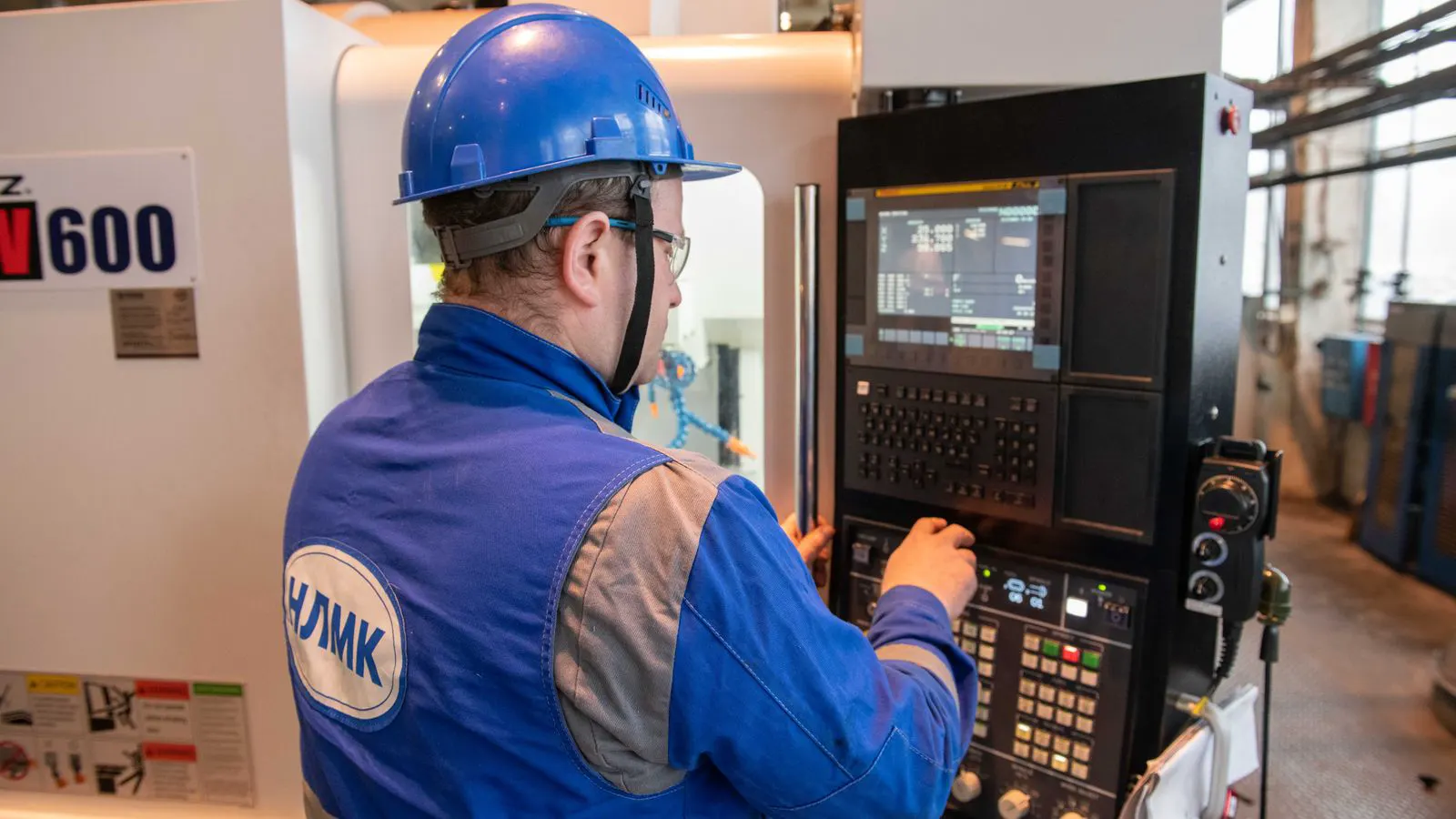
High electricity bills on CNC spindles usually stem from overloaded tools, inefficient feed rates, or worn mechanical components. This guide lists common symptoms and fixes to reduce operating cost and stabilize energy usage during machining.
- Check tool wear and feed rates first, as these cause the most common energy spikes.
- Monitor spindle load and heat to prevent unnecessary runtime.
- Schedule preventive maintenance to keep mechanical components efficient.
- Use machine logs to identify patterns in high-energy operation.
- Adjust cooling and idle settings to reduce baseline power draw.
Why energy costs jump suddenly
A sudden rise in energy costs on a CNC spindle is rarely random. It usually points to a change in how the machine is being used or how it is performing. When tooling wears out, feed rates become inefficient, or mechanical parts lose their tolerance, the spindle has to work harder. The motor draws more current. The electrical bill follows.
This problem often shows up after months of normal operation. Operators may notice the spindle taking longer to reach speed, or the machine running hotter than usual. These are early signs that something is off.
The good news is that most causes are practical. They involve checks you can do with basic tools and some attention to machine behavior. The goal is to find the leak in energy efficiency and close it before it becomes a recurring cost problem.
Symptoms that point to hidden energy waste
Before fixing anything, you need to identify where the energy is going. Look for these symptoms during normal production runs:
- The spindle takes noticeably longer to reach target speed.
- The machine runs hotter than it did a few weeks ago.
- The feed rate has to be slowed down to maintain quality.
- The motor hum is different, or sounds strained.
- The electrical panel shows higher current draw during idle or light cuts.
If you see two or three of these together, the issue is likely mechanical or process-related. If the symptoms appear only during certain materials or tool changes, the problem is probably in your setup or tooling selection.
Common causes and fixes
The table below lists the most frequent causes of rising energy costs and the specific actions to take. Work through them in order. Most shops find the fix in the first two rows.
| Symptom | Likely cause | What to do |
|---|---|---|
| Spindle speed lag during acceleration | Worn V-belts or loose coupling | Inspect belt tension and alignment. Replace worn belts. Tighten coupling bolts. |
| Higher motor current at normal load | Dull or worn cutting tools | Replace tools. Check tool geometry. Verify feed rates match tool capability. |
| Machine runs hot during idle | Failing spindle bearings or excessive friction | Measure bearing temperature. Lubricate or replace bearings. Check for debris in the spindle housing. |
| Long cycle times with same material | Incorrect feed rate or rapid traverse | Review CNC program. Adjust feed rates for current tooling. Check machine backlash settings. |
| Higher power draw during finishing | Excessive depth of cut per pass | Reduce depth of cut. Use multiple light passes. Verify tool diameter and condition. |
| Inconsistent power usage across shifts | Operator setup variance or tool wear | Standardize tool offsets. Implement tool wear tracking. Train operators on efficient setup. |
Start with the tools. This is the cheapest and fastest fix. A dull carbide tip creates drag. The motor compensates by drawing more power. Even a small amount of wear increases heat and current. If you have been running the same insert for a long production run, replace it and test.
Next, check the mechanical drive. Many CNC spindles use V-belts or direct drive. If the belt is loose, the motor spins faster than the spindle to maintain speed. This wastes energy. If the coupling is loose or misaligned, vibration increases friction. Both issues raise the baseline load.
Do not overlook the cooling system. A blocked air filter or a failing coolant pump changes how the machine dissipates heat. When heat builds up, the spindle may slow down or the control system may adjust parameters to protect the motor. Both scenarios increase energy use.
How to measure your energy baseline
You cannot fix what you do not measure. Before making changes, record the machine’s power draw under normal conditions. Use a clamp-on power meter on the main supply to the machine.
Record these values:
- Idle power draw with the spindle off.
- Power draw at 50 percent speed with no load.
- Power draw at full speed with no load.
- Power draw during a standard production cut.
- Power draw during the heaviest cut you run regularly.
Do this over at least three days. You want to remove the effect of a single bad run. Compare the numbers to what you recorded six months ago, if you have that data. If you do not, use the current values as your new baseline.
If the idle draw is higher than it should be, the problem is mechanical. Bearings, belts, or the motor itself are drawing power even when not cutting. If the cut draw is higher but idle is normal, the problem is in the process. Tooling, feed rates, or depth of cut are causing the motor to work harder during the actual work.
Adjusting process settings for efficiency
Once you know where the energy is going, adjust your settings. Small changes in feed rate and depth of cut can have a big effect on power draw.
Start with the depth of cut. Most operators run deeper cuts than they need to. They push the machine to finish faster. This increases the load on the spindle. Try reducing the depth of cut by 10 to 20 percent. You may need an extra pass, but the energy per pass drops. The total energy may stay the same or go down, depending on the material.
Next, review your feed rates. If your feed rate is too high for the tool, the motor strains. If it is too low, the tool rubs instead of cuts, which also wastes energy. Work with your tool manufacturer’s recommended values. Adjust based on the wood species and moisture content. Harder woods need slower feeds. Softer woods can handle faster feeds.
Do not forget rapid traverse. Moving the table quickly over the material does not cut, but it uses energy. If your program has long rapid moves, check the machine’s acceleration limits. If the machine is accelerating and decelerating frequently, the motor draws spikes of power. Smooth out the path if possible.
Preventing future energy spikes
Prevention is cheaper than troubleshooting. Set up a routine that catches small problems before they become energy waste.
- Inspect tool wear at the start of every shift. Replace tools at a fixed number of parts or hours, whichever comes first.
- Check belt tension and coupling alignment every month. Listen for changes in the motor sound.
- Clean air filters and coolant lines weekly. Blocked filters force the machine to work harder to stay cool.
- Review machine logs every quarter. Look for trends in power draw and cycle time.
- Train operators on tool offsets and feed rates. Standardize setups to reduce variance.
Keep a simple log. Record tool changes, belt adjustments, and any noticeable changes in machine behavior. If the energy bill goes up, you will have a record of what changed. You can trace the issue back to a specific event instead of guessing.
Also, consider the machine’s duty cycle. If you run the machine at low loads for long periods, the energy cost per part is higher. Batch smaller jobs together. Run the machine at higher loads more often. This is a production decision, but it directly affects your energy costs.
When to call a service technician
Some issues are not for the operator to fix. If you have checked the tools, the belts, and the settings, and the energy draw is still high, stop guessing. The problem may be internal.
Call a service technician if you see any of the following:
- Spindle noise that changes with speed.
- Play in the spindle when you push on the housing.
- Overheating that does not go away after cleaning filters and adjusting coolant.
- Electrical tripping or breaker trips.
- A sudden drop in spindle performance that cannot be fixed by tool changes.
Internal bearing failure, motor winding damage, and control board faults are expensive to diagnose. Catching them early prevents a total failure. A technician can measure current draw, bearing temperature, and vibration in ways that are not practical for shop staff.
Do not run a machine that is drawing significantly more power than your baseline. You are wasting money on every cycle. You are also putting stress on the electrical supply. If the machine is running hot and drawing high current, shut it down and investigate.
Final check before you restart production
After you make changes, run a test cycle. Measure the power draw again. Compare it to your baseline. If the numbers are back to normal, you have found the issue.
Document the fix. Note the tool change, the belt adjustment, or the feed rate change. This information helps the next operator and the next technician. It also helps you when you need to justify maintenance costs to management.
Energy costs are a direct result of how the machine is used and how well it is maintained. There is no magic setting that fixes everything. There is a process. Find the leak. Fix it. Measure the result. Repeat.
Frequently asked questions
How do I know if my CNC spindle is drawing too much power?
Compare your current power draw to a recorded baseline. If it is consistently higher than normal during the same cuts, the spindle is working harder than it should.
Can I reduce energy costs by slowing down the spindle speed?
Slowing down speed may reduce power draw, but it increases cycle time. The total energy per part may not drop. Focus on tool wear and feed rates first, as these have a bigger effect on overall efficiency.
Is it worth installing a power meter on the machine?
Yes. A clamp-on power meter costs little and gives you real data. Without measurements, you are guessing. With data, you can track trends and verify fixes.
How often should I replace CNC spindle tools?
Replace tools based on wear inspection or a fixed number of parts, whichever comes first. Dull tools increase energy draw and reduce part quality. Check them at the start of every shift.
Can software settings cause high energy costs?
Yes. Incorrect feed rates, excessive depth of cut, and long rapid moves all increase power draw. Review your CNC programs regularly. Adjust settings to match your current tooling and material.


