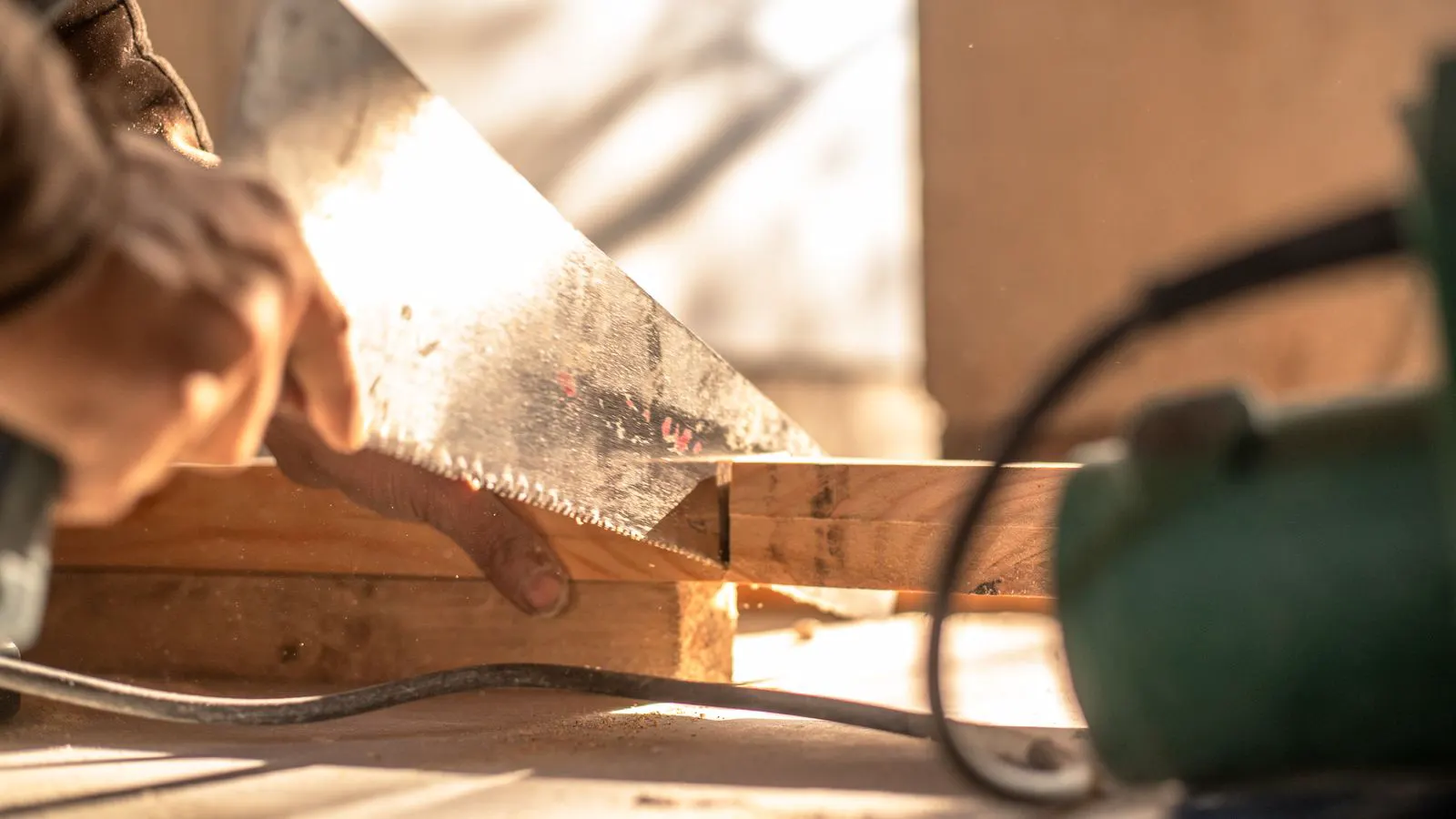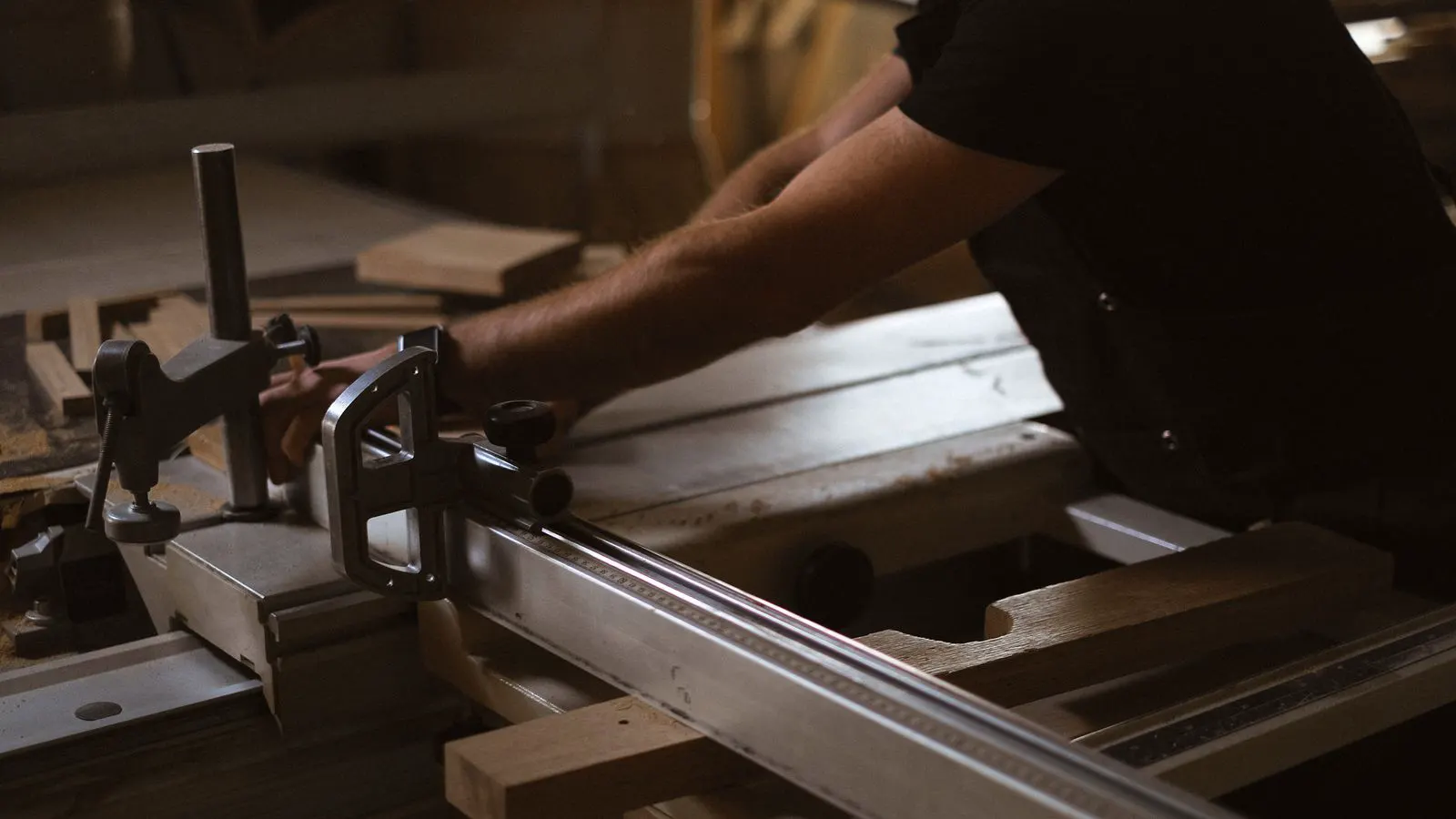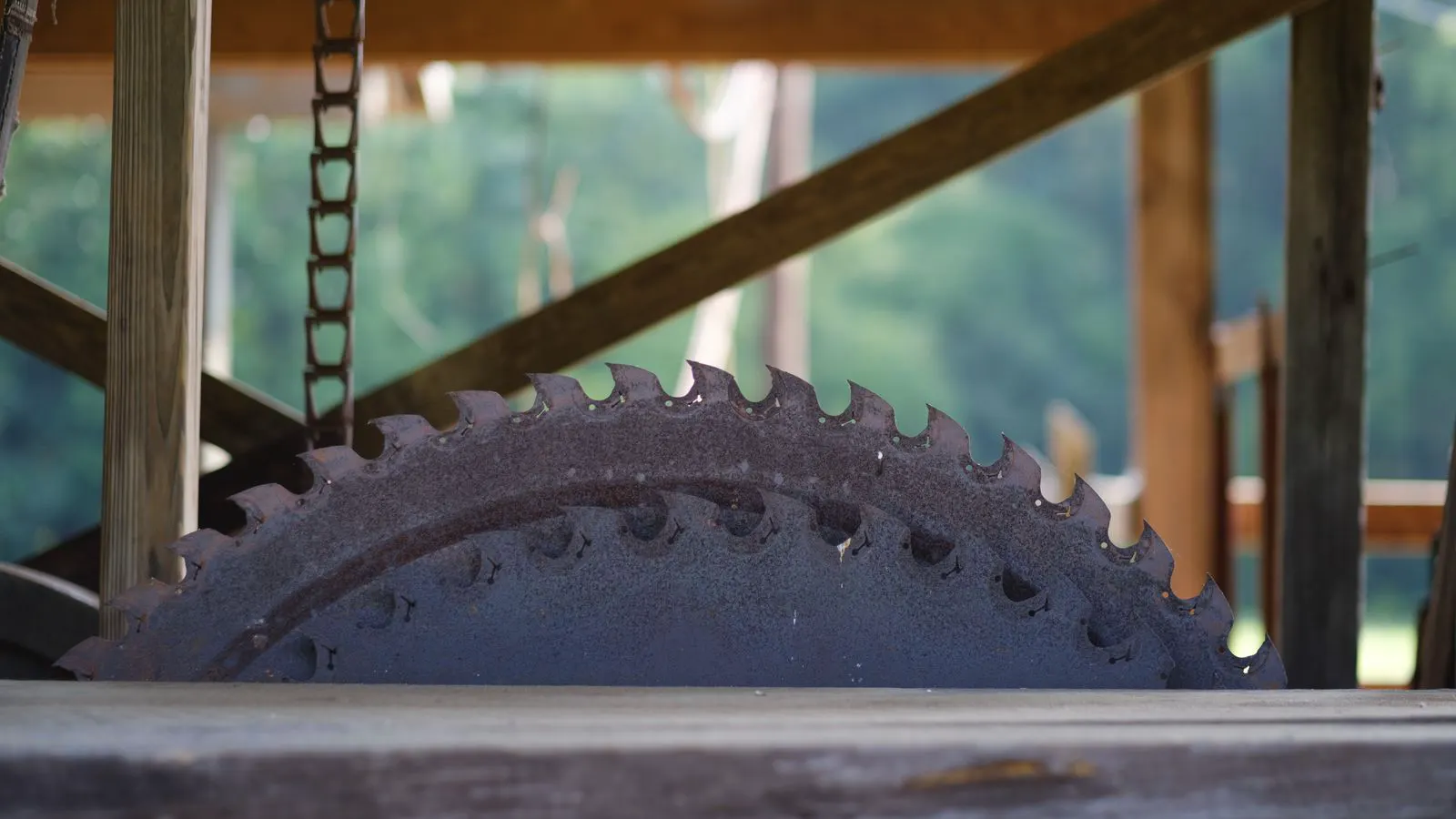
A circular saw is faster for straight crosscuts and panels, while a band saw excels at resawing, curved cuts, and stock preparation. The right choice depends on your primary material, required precision, and workflow volume.
- Circular saws deliver high speed for panel work and straight cuts but offer limited precision for curves.
- Band saws are ideal for resawing, rough shaping, and curved cuts, though they cut slower than circular saws.
- The best tool for your shop depends on the type of wood, the size of your panels, and the nature of your projects.
- Many shops use both tools to complement each other's strengths in a balanced workflow.
Understanding the Core Difference
When selecting a primary cutting tool, the debate often centers on two workhorses: the circular saw and the band saw. Both are essential for many woodworking operations, yet they serve distinct roles within a production or job-shop environment. Understanding the mechanical differences between these two machines is the first step in determining which one aligns with your specific workflow.
A circular saw uses a rotating blade, typically mounted on an arm or in a table, to cut through wood by applying rotational force. This design allows for extremely fast cuts, especially through thin panels. In contrast, a band saw utilizes a continuous loop of toothed blade driven by two wheels. This setup provides a more stable cutting platform, which is crucial for handling larger, heavier stock without the risk of kickback associated with high-speed circular blades.
Key Performance Factors
To make an informed decision, it is helpful to look at specific performance metrics that affect daily productivity.
- Cut Speed and Volume: If your shop processes high volumes of thin material, such as plywood or MDF panels, the circular saw is generally faster per cut. The band saw is better suited for heavier, solid wood stock where stability is more important than raw speed.
- Precision and Tolerance: Band saws typically provide higher repeatability for crosscuts and resawing because the blade path is fixed and supported by a larger frame. Circular saws can be accurate, but they require more operator skill to maintain a straight line, particularly when cutting freehand.
- Blade Life and Maintenance: Band saw blades are generally longer-lasting and easier to replace, which can reduce downtime. Circular saw blades may dull faster when cutting abrasive materials like hardboard or certain plastics, requiring more frequent sharpening or replacement.
Comparison Table: Circular Saw vs Band Saw
| Option | Best for | Limitations |
|---|---|---|
| Circular Saw | Fast panel cuts, crosscuts, and high-volume thin material processing. | Limited ability to handle curved cuts; higher operator skill required for long straight lines. |
| Band Saw | Resawing, rough shaping, curved cuts, and cutting thick or heavy stock. | Slower cut speed; larger footprint; not ideal for thin panels due to blade tension. |
| Panel Saw | Large-format panel crosscuts and miters with high precision. | Very high cost; limited to panel sizes; requires significant floor space. |
When to Choose a Circular Saw
The circular saw is the preferred tool for shops focused on speed and efficiency with thin materials. If your workflow involves cutting sheets of plywood, particleboard, or MDF for cabinet construction or furniture, the circular saw allows you to make multiple cuts in a short amount of time. It is also the go-to choice for rough cutting, as it can handle a wide range of materials from softwoods to hardwoods with the right blade.
However, the circular saw has limitations. It is not ideal for cutting large, heavy slabs of wood because the saw arm can sag, leading to inaccurate cuts. Additionally, if your work requires intricate curves or complex shapes, the circular saw will struggle to maintain control, especially without specialized attachments. For these reasons, it is often best used as a rough-cutting tool rather than a precision finishing tool.
When to Choose a Band Saw
The band saw is the workhorse for shops that handle solid wood, need to resaw lumber, or require curved cuts. Its continuous blade provides a smooth, stable cutting experience that is well-suited for shaping blanks into rough profiles. If your shop involves creating custom furniture, musical instruments, or decorative pieces, the band saw is almost indispensable.
The main drawback of the band saw is its speed. It cuts slower than a circular saw, which can be a bottleneck if you are processing large quantities of material. Furthermore, the band saw is less effective for cutting very thin materials because the blade can bind or tear the wood. For these types of jobs, a different tool may be necessary.
The Role of the Panel Saw
While the primary keyword is circular saw vs band saw, it is important to consider the panel saw as a third option. A panel saw is specifically designed for cutting large, flat panels, such as 4x8 sheets of plywood. It combines the speed of a circular saw with the precision of a table saw, making it ideal for high-volume panel processing.
The panel saw is a significant investment and requires a dedicated space in the shop. It is not as versatile as a band saw or a circular saw because it is limited to flat, panel-sized materials. However, for shops that deal with large-scale cabinetry or furniture manufacturing, the panel saw can dramatically increase efficiency by reducing the number of cuts needed to process a full sheet.
Matching the Tool to Your Workflow
The decision between a circular saw, band saw, or panel saw should be based on a clear analysis of your shop’s primary tasks. If your work is predominantly panel-based, a panel saw or a large-format circular saw may be the best choice. If you are working with solid wood and need to resaw or shape stock, a band saw is the superior tool. If you need a versatile, portable option for rough cutting, a circular saw is the most flexible.
Many shops find that a combination of tools provides the best balance. For example, a band saw can be used to rough-cut and shape stock, while a circular saw or panel saw can be used for precise crosscuts and panel work. By understanding the strengths and limitations of each tool, you can build a cutting workflow that maximizes productivity and minimizes waste.
Final Recommendations
In conclusion, there is no single “best” saw for every shop. The circular saw is the best choice for speed and thin material processing, the band saw is the best for resawing and curved cuts, and the panel saw is the best for large-format panel work. By carefully evaluating your material types, project requirements, and shop space, you can select the cutting tool that fits your workflow most effectively. Remember that tool selection is not just about buying the most expensive machine; it is about choosing the tool that solves the problems you face every day in your shop.
Frequently asked questions
Which saw is faster for cutting plywood?
A circular saw or panel saw is generally faster for cutting plywood because of their high blade speeds and ability to handle thin, flat materials.
Can a band saw cut curved pieces?
Yes, the band saw is one of the few tools that can cut intricate curves and complex shapes with ease, making it ideal for rough shaping.
Is a panel saw better than a circular saw for large sheets?
A panel saw is often better for large sheets because it provides higher precision and stability, reducing the risk of tear-out and inaccurate cuts.
How do I choose between a band saw and a circular saw?
Consider your primary material and task. Choose a band saw for solid wood and resawing, and a circular saw for thin panels and high-volume rough cuts.
Do I need both a band saw and a circular saw?
Many shops benefit from having both tools because they complement each other's strengths, allowing for a more efficient and versatile cutting workflow.