Panel saw selection depends on material thickness, cut precision, and shop workflow. This guide provides practical criteria to evaluate capacity, feed mechanisms, and safety features for your specific production needs.
- Match panel saw capacity to your thickest and largest material stock.
- Prioritize feed stability for high-speed or high-precision production runs.
- Evaluate the saw's integration with existing shop workflows and material handling.
- Consider operator safety features and maintenance accessibility during selection.
Understanding Your Material Requirements
Panel saw selection starts with defining what you will cut. Woodworking shops often process a mix of solid panels, plywood, MDF, and engineered wood. Each material behaves differently under the blade, affecting both the choice of machine and the settings required for a clean cut.
Identify the maximum thickness of your standard stock. A panel saw that handles 50 mm of plywood may struggle with 90 mm solid timber if the blade and fence are not designed for that depth. Similarly, determine the largest panel width you process. The table size and blade diameter must align with your widest cut to avoid compromising stability or finish quality.
Consider the end grain versus face grain ratio. Cutting across the grain of solid wood or cross-laminated timber can require different support structures than slicing through a face grain of plywood. Your cutting machine should accommodate the specific stress points of your primary materials to prevent tear-out and blade deflection.
Evaluating Cut Precision and Blade Capacity
Precision is often the deciding factor in panel saw selection. Look for a machine that offers a range of blade diameters, typically from 300 mm to 450 mm, to suit different material thicknesses and cut types. Smaller blades are suitable for thinner materials and tighter radii, while larger blades provide more cutting capacity for thicker panels.
Assess the blade mounting system. A high-quality spindle with low runout ensures a smooth cut and extends blade life. Check if the saw supports kerf-reducing blades, which are essential for high-precision CNC-compatible panels. The stability of the blade during the cut directly impacts the dimensional accuracy of your finished parts.
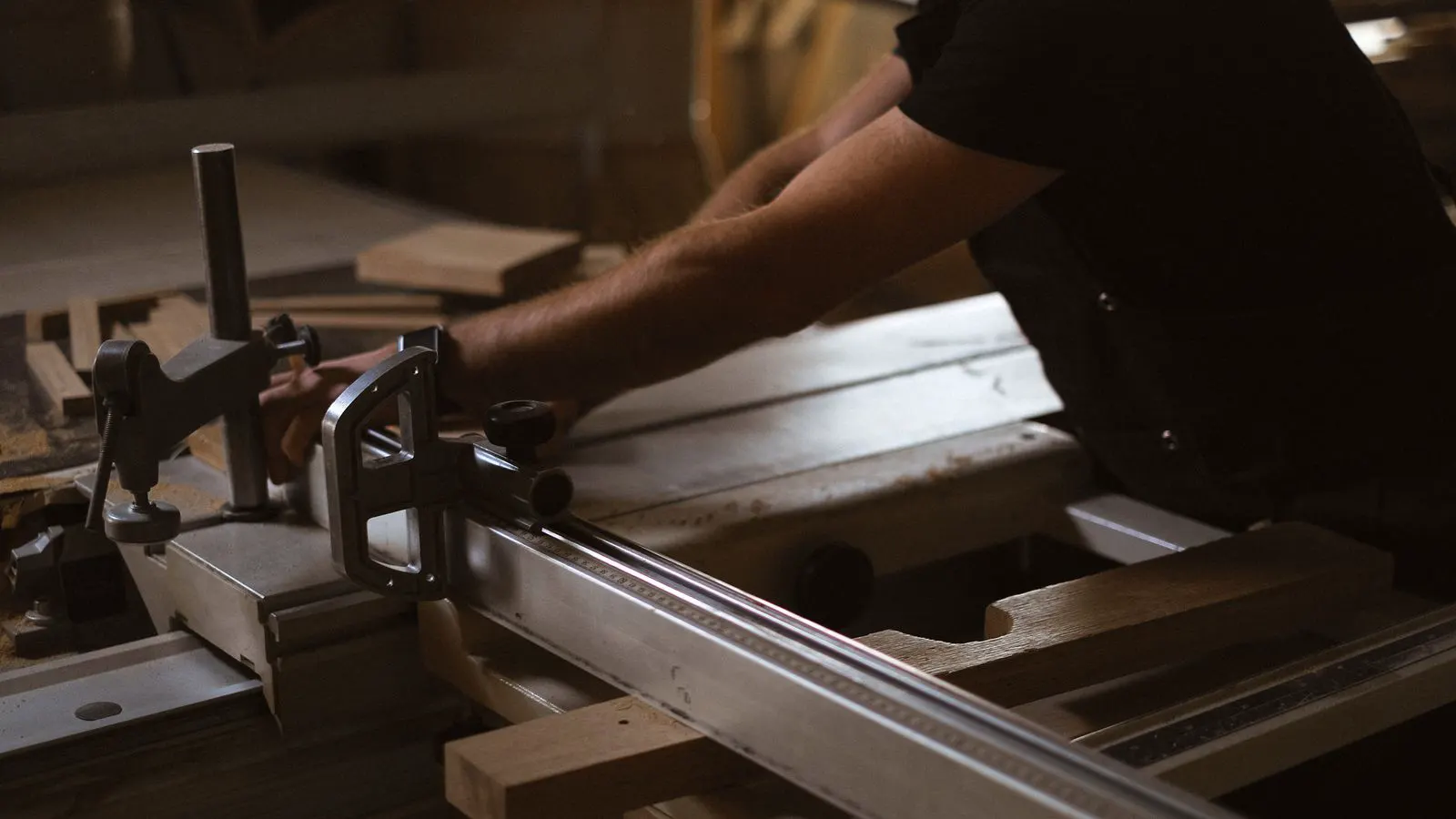
The table surface is critical for precision. It should be flat and rigid, with a sufficient overhang to support large panels. Look for a table that allows for easy adjustment of the fence and blade guard, enabling consistent repeatable cuts across different panel sizes.
Analyzing Feed Mechanisms and Workflow Integration
The feed mechanism significantly impacts productivity and operator safety. Manual push tables are common in smaller shops but can be tiring and less precise for long, continuous cuts. Consider whether your workflow requires a powered feed system, which provides consistent speed and reduces operator fatigue.
Evaluate how the saw integrates with your material handling process. Can it accept panels from a conveyor or forklift? Is there enough space for an operator to safely load and unload large sheets? A well-integrated cutting machine reduces the time spent moving materials and minimizes the risk of misalignment during the setup phase.
Consider the frequency of setup changes. If your shop processes multiple panel sizes daily, a saw with quick-adjust fences and digital readouts can save valuable minutes per shift. The goal is to streamline the transition from one job to the next without compromising cut quality.
Prioritizing Safety and Operator Ergonomics
Safety is non-negotiable in panel saw selection. Ensure the machine has a reliable blade guard that retracts automatically and a push stick or similar device to keep hands away from the cutting zone. Look for emergency stop buttons that are easily accessible and clearly marked.
Operator ergonomics also play a role in long-term efficiency. The height of the table and the angle of the controls should allow the operator to work comfortably without excessive strain. A machine that forces an operator into awkward postures can lead to fatigue and increased error rates over time.
Check for dust extraction points directly at the blade. Effective dust control not only improves air quality in the shop but also protects the operator’s lungs and reduces the risk of blade clogging, which can affect cut quality.
Assessing Durability and Maintenance
The lifespan of your cutting machine depends on the quality of its construction and the ease of maintenance. Look for a saw with a robust frame, preferably made from cast iron or heavy-gauge steel, to withstand the daily vibrations of heavy-duty cutting.
Evaluate the availability of spare parts and the complexity of routine maintenance. A saw that requires specialized tools or infrequently available components can lead to costly downtime. Simple, accessible maintenance tasks, such as blade replacement and lubrication, should be straightforward for your technical team.
Consider the manufacturer’s support network. A reliable supplier provides clear documentation, training, and responsive technical support, which can be crucial when troubleshooting issues or optimizing the machine’s performance.
The Decision Checklist
Use this checklist to evaluate potential panel saws against your shop’s specific needs.
| Criterion | What to look for | Why it matters |
|---|---|---|
| Material Capacity | Max thickness and width matching your stock | Ensures the saw can handle your largest and thickest panels without compromise. |
| Precision Features | Low runout spindle, kerf-reducing blades | Critical for dimensional accuracy and clean edges in high-end projects. |
| Feed System | Manual, semi-automatic, or powered feed | Impacts operator fatigue, cut consistency, and overall production speed. |
| Safety Equipment | Automatic blade guard, emergency stop, dust extraction | Protects operators and maintains a clean, efficient working environment. |
| Maintenance | Easy blade access, clear documentation, spare parts | Reduces downtime and extends the machine’s operational life. |
| Integration | Compatibility with existing material handling | Streamlines workflow and reduces the time spent moving and positioning panels. |
Final Thoughts
Choosing the right cutting machine requires a balance of technical capability and workflow fit. By carefully evaluating material requirements, precision needs, and safety features, you can select a panel saw that enhances productivity and delivers consistent results. Take the time to assess each criterion thoroughly, and consider a test run if possible, to ensure the machine aligns with your shop’s daily operations.
Frequently asked questions
What is the minimum table size for a standard panel saw?
Most panel saws used in professional shops have tables ranging from 1500 mm to 2500 mm in length. The size should accommodate your largest panel plus an overhang for safe handling.
Can a panel saw cut metal or composite materials?
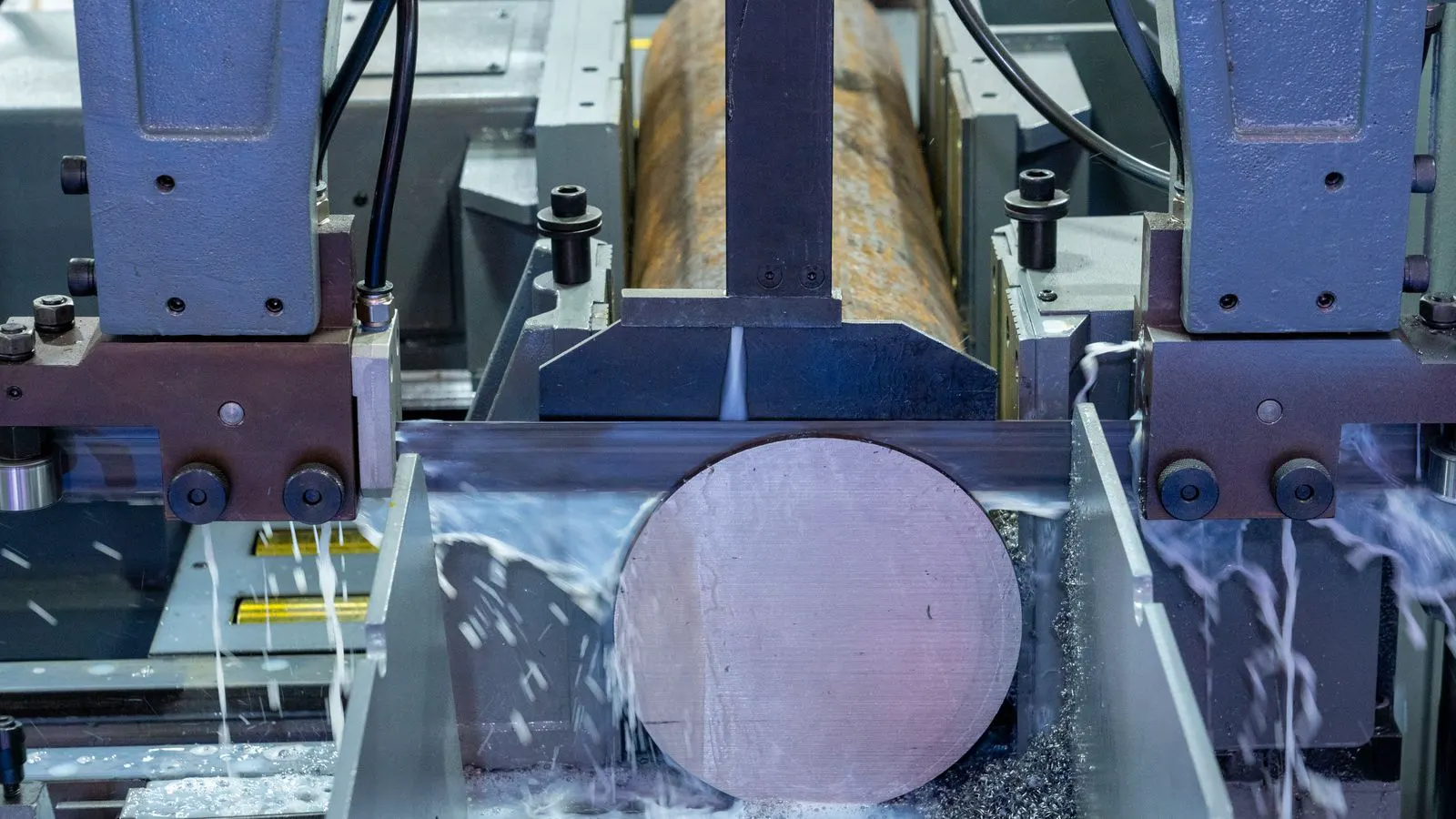
Panel saws are primarily designed for wood and wood-based products. Cutting metal or certain composites requires specific blades and machines not typically found in standard panel saw configurations.
How often should I replace the blade on a panel saw?
Blade life depends on the material being cut and the quality of the blade. Inspect blades regularly for wear, and replace them when you notice chipping, dullness, or inconsistent cut quality.
Is a digital readout necessary for panel saw selection?
While not strictly necessary for all shops, digital readouts improve setup speed and accuracy, especially in high-volume production environments where repeatability is key.
What is the difference between a panel saw and a table saw?
A panel saw is designed for cutting large, flat panels like plywood or MDF, often with a larger table and specific feed mechanisms. A table saw is more versatile for smaller, varied cuts and is typically used for ripping and crosscutting in furniture making.